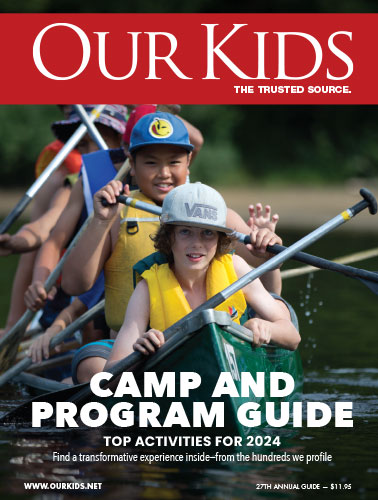
Are you concerned about summer learning loss in your kids? These important tips can help your child retain more of what they’ve learned during the school year by providing learning opportunities and experiences throughout the summer to keep them engaged and having fun.
Summer, summer, summer—you can almost hear the silent chant pulsing through elementary schools across the region! As a parent, you can likely remember your own delightful exuberance at the thought of two months away from the daily routine of school, homework and extracurricular responsibilities. As a parent, just taking a break from packing lunches every day serves as a cause for celebration! Children (and parents by association!) have packed schedules in and out of school and a little rest and relaxation is well deserved. Whether you’re planning a road trip to the coast, a return to the family cottage, or a stay-cation in town, the summer is a wonderful time to rejuvenate and reconnect with your kids.
Combating the Summer Learning Gap with Continuous Learning Opportunities
There is no question that summer vacation is every child’s favorite time of year, but when that school bell rings at the end of June, what happens to the 1,261 hours of learning that your child has completed? You may have noticed that the majority of each September is spent reviewing the previous grade curriculum, because research shows that a significant piece of a child’s academic achievement will be lost over the summer months. Your child has worked hard to gain all of that knowledge, and you’ve worked hard supporting them, so why let it slip away?
There are many simple, inexpensive and fun ways to support your child’s learning through the months of July and August. Student success depends on strengthening and applying what your child already knows and providing opportunities to build new knowledge, skills, values and behaviours. The world outside the classroom is full of meaningful learning opportunities, especially if you know what to look for!
Whether you are considering enrolling your child in a summer camp experience, or planning to keep them at home, there are a few key elements of a meaningful summer learning experience that you should keep in mind:
- Fun! It’s no surprise that the best way to draw your child into a meaningful summer learning experience is to make it fun. Consider what interests your child and develop a plan around that theme. Do they love bugs, nature, fashion, sports, arts? Do they like to relax quietly or do they need to twitch every one of their more than 600 muscles every hour? Any theme or activity that is fun for your child can be seamlessly transformed into a significant learning experience. Assess what motivates your child and cultivate activities around those themes.
- Literacy! Whether or not your child struggles with literacy skills, the benefits of maintaining a reading program throughout the summer months are vast. The most effective way to support your child’s academic growth is to encourage a love of language and literacy, and it’s not hard to do! Make a habit of visiting the local library or loading up his e-reader with pieces of literature that he finds interesting. There are no rules about summer reading; graphic novels, sports magazines, fiction or non-fiction, just about any reading material is going to help solidify their literacy skills. Most children are familiar with the D.E.A.R. program at school, (Drop Everything And Read), in which every student chooses something to read for a period of 10-20 minutes each day. Schedule a regular D.E.A.R time in your home over the summer to encourage positive reading habits. Let your child chose their own reading environment; lying down, lounging on the couch, sitting at a table, floating on a pool noodle, soaking in the tub—it all makes for a valuable literacy experience! Turn off the electronics and other distractions and enjoy the silence. Use the D.E.A.R. time to transition from high-energy outdoor activities, like sports, to quieter indoor activities like meal times. It’s a habit that your child has already developed at school and one that you may grow to love yourself!
- Interactive Arts! Every year there seems to be less and less time to enjoy and cultivate an appreciation of the arts in school. Budget restrictions and funding cuts have hampered teachers’ ability to present our children with opportunities to develop their own artistic expression. The summertime is a great time to participate in the arts and a variety of cross-curricular learning opportunities! Best of all, the arts offer children a chance for hands-on fun. Consider a simple and inexpensive musical instrument, like a $10 plastic recorder and some free online How-to-Play tutorials. Have your child present a dramatic recreation of a scene from a favorite book, either alone or with a group of friends. Create a driveway mural with chalk or design a fantasy dream tree house using chart paper and a pencil. Art presents your child with a chance to get hands-on and interactive and there is no end to the creative ways your child will express their knowledge and interests!
- Parent Participation! No matter how much your child loves their friends and extra-curricular social activities, there is no replacement for YOU. If you want to encourage your child’s school success, then join in the learning! The summer months offer a priceless opportunity to reconnect with your child and discover what they’ve learned, what they’ve yet to learn, and how they learn. It’s easy to do and it’s free of charge! Play a game of math basketball, counting points by three instead of one. Create a funny story where you each write consecutive lines back and forth. Curl up together and watch an episode of their favorite science or nature show. Watch an online sewing tutorial together. Engage yourself in the activity and your child will be engaged in the learning; it’s a guaranteed recipe for success!
Summer vacation is all about fun, relaxation and imagination, but with a little nudge in the right direction, you can help your child synthesize their learning and prepare for the school year ahead. Support your child’s academic success and skill development by focusing on fun, interactive, engaging activities that the whole family will enjoy. You’re ready to create a summer to remember!
* * * * *
What do you do with your kids to help combat the summer learning gap? Have you tried some of the tips above? Share your thoughts in the Comments section below.
Related:
How to Keep the Learning Up Over the Summer
How to keep Children Reading Over the Summer
Family Phonics: How to Engage in Family Literacy Day