
Coed vs. single-sex schools
Do girls and boys learn better together or separately?
Given gender stereotypes and differences between the sexes, the question has yet to be settled: Do girls and boys learn better together or separately?

Given gender stereotypes and differences between the sexes, the question has yet to be settled: Do girls and boys learn better together or separately?
A key consideration when choosing a private education for a child is whether to go with a single-sex or coed school. The right choice will depend on which school of thought on the subject resonates most with you.
David Robertson, headmaster at Shawnigan Lake School, a coed boarding high school in BC, says boys and girls ultimately have a more enriching educational experience when they get to learn together. "There's a cross-pollination that goes on in the academic environment," Robertson says. "The diligence and attentiveness of girls positively affects boys, while the liveliness of boys inspires girls. They learn from and are inspired by each other."
Coed schools better prepare girls and boys for post-secondary school and employment by providing ongoing opportunities to work together, he adds. "They learn to work together productively, which is what they will be expected to do throughout their life. So there is good preparation happening for university and beyond."
Since coeducation is the norm in North American public schools, most of the research in the field has focused on the efficacy of single-sex education. Single-Sex Education: What Does Research Tell Us?, a 2010 review of several studies on single-sex education in English-speaking countries, found little consensus on whether the option is actually advantageous to girls' and boys' academic achievement.
However, single-sex education proponents argue boys and girls learn differently, and single-sex schools consider these differences to create customized programs that optimize success.
"In coed schools, boys tend to populate the lower end of the academic spectrum," says Brad Adams, executive director of the International Boys' Schools Coalition. "Boys' schools specialize in designing curriculum that hooks boys into learning."
At boys' schools, boys are more engaged in learning without being in a gender pressure cooker, Adams adds.
"They have a longer time to be boys and to explore various interests, for example, in the arts, without getting straitjacketed into some stereotypical gender role, such as the jock," he explains.
The main strength of all-boys and all-girls schools is reflected in the 2008 study Single-Sex Schooling and Academic Attainment at School and Through the Lifecourse. The study found that the option helps students succeed in gender-atypical subjects; for example, girls will perform better in math and science, and boys will do better in English and modern languages.
For girls, much of the benefit lies in developing their personhood in an environment free of persistent traditional gender stereotypes that can hold women back.
"In many ways, gender dynamics have not changed, and in most of the world, public life is still the domain of men, and domestic life that of women," says Burch Ford, president of the U.S.-based National Coalition of Girls' Schools (NCGS). "Girls' schools provide not only a physical but a psychological space where that part of our culture is left at the door, and girls have the freedom to explore who they are and who they want to become."
Girls who attend single-sex schools outscore their coed counterparts on the SAT by an average of 28 to 43 points, and nearly 100 percent of girls' school graduates go on to college, according to the NCGS.
"In girls' schools, there is no social consequence for speaking out, challenging ideas and being yourself, which allows girls to develop the kind of critical- and creative-thinking skills that are essential in the 21st-century workforce," Ford says.
For some common arguments on both sides, see the table below.
|
Common arguments for single sex |
Common arguments for coed |
Pedagogical arguments |
|
|
Developmental arguments |
|
|


How school size impacts the student experience at TCS [Read more]
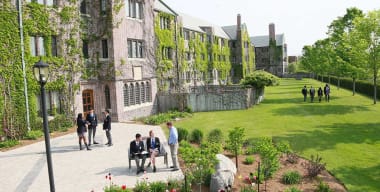
TCS’s service learning program provides the hands-on experience of giving back [Read more]

What language education at Alexander von Humboldt German International School Montreal provides [Read more]

How HTS is building a state-of-the-art online education platform that focuses on student relationships [Read more]

How The Linden School paves the way for global change through their STEM programs [Read more]

How a new on-site theatre will support Villanova College’s rich arts programming [Read more]

"The Country Day School offers a challenging post-secondary preparatory program for students in JK-12 where all are welcome. Our 100-acre campus is located north of Toronto in King.
—From the school
|
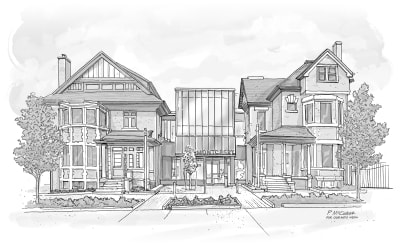
"Montcrest is a welcoming community that specializes in cultivating incredible young people. With small class sizes and unparalleled student-teacher relationships, Montcrest helps children become who they’re meant to be.
—From the school
|

"At Hudson College, we encourage all students to do one thing above everything else: be yourself. We value and celebrate individuality, and embolden students to be intellectually curious and fully express who they are.
—From the school
|
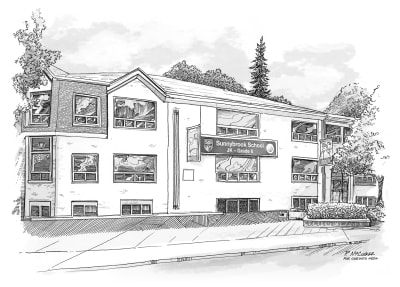
"Sunnybrook School offers the IB Primary Years Program for all students in JK - Grade 6. We have a fully integrated co-ed and 1:1 iPad program for all the grades. Our inquiry approach leads to global citizens.
—From the school
|
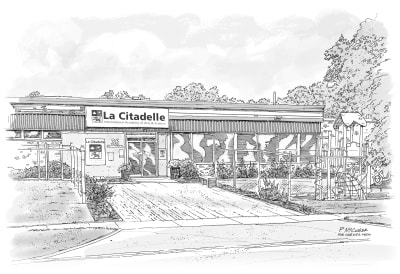
"La Citadelle's Excellence in Bilingual Education and academically advanced curriculum develop successful global citizens through IB & AP programs and a holistic approach where students achieve their highest potential.
—From the school
|
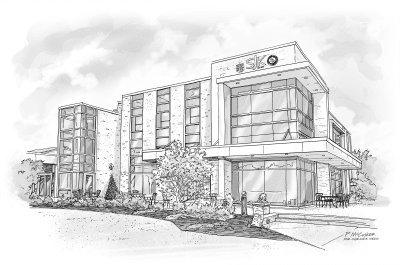
"SJK offers an enriched environment of exploration and experiential learning. Through its IB curriculum, SJK provides exciting experiences and guides students to discover their talents and passions. Go beyond at SJK.
—From the school
|
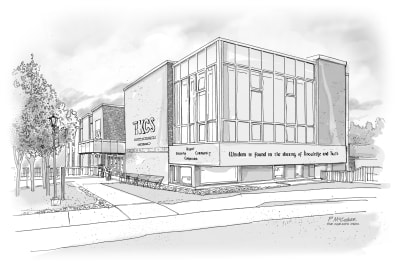
"Kingsway College School's (KCS) goal is to provide environments where a student’s wellness is supported as they become lifelong learners who are good people. Spend an hour at KCS to see how we do this every day.
—From the school
|

"Balanced Academics, Arts, Athletics & Student Wellness. We value best practices & evidence-based approaches. University preparatory & 21st Century Tech-Rich & Future Proof school. Enriched and rigorous curriculum.
—From the school
|

"No other high school in the world has developed more Elite, Junior, Collegiate, USPORT, NCAA, National, Olympic or Pro athletes with over 215 in the NHL alone. ND graduates attend top ranked universities worldwide.
—From the school
|

"Prestige School offers individualized programs from pre-school to grade twelve in Richmond Hill with an average class size of twelve students.
—From the school
|

"Cambridge International Academy offers an enriched curriculum from grades 1 to 12 in Ajax. Central to the school’s philosophy is the belief that students learn best both inside and outside the classroom.
—From the school
|

"Choose to Succeed, at Banbury Crossroads School. We offer a truly unique learning experience, with self-directed, collaborative, tutorial-style classrooms that average 10:1 students per teacher.
—From the school
|

"Whytecliff is a safe, empathetic & supportive place for teens with a diverse range of learning needs / personal challenges. Our positive community & high-growth environment pulls each child up to be their very best!
—From the school
|

"Our Beyond the Books approach provides opportunities for success in class & beyond; nurturing the growth of students' confidence & self-esteem, to take risks when learning, to reach their personal & academic potential.
—From the school
|
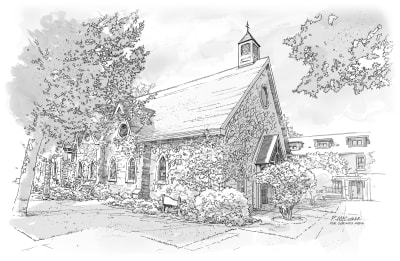
"Focussed on Community First, Outdoors Every Day, and Authentic Learning, LCS offers a world-class, individualized, day/boarding program (Grades 9 -12) designed for students to be leaders who care, connect and contribute.
—From the school
|
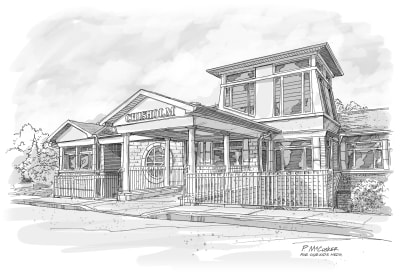
"Chisholm Academy are specialists in developing programs for students with exceptionalities. Classes of 8-10 students, an experienced multi-disciplinary staff really make a difference!
—From the school |
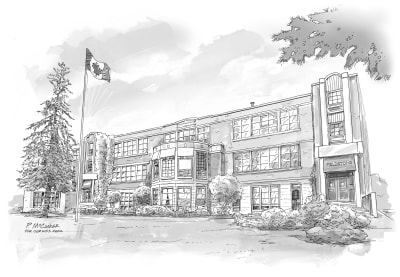
"As a Cambridge School, we teach a curriculum that sets the global standard for education designed to help students develop an informed curiosity and a lasting passion for learning.
—From the school
|
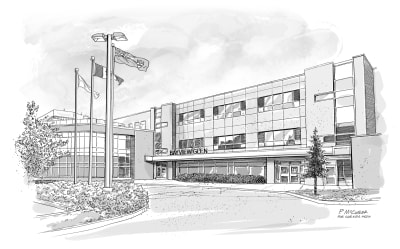
"Bayview Glen is co-ed, multi-denominational and diverse. Our student, faculty and staff community mirror the diversity of Toronto. Our culture is one of balance and openness, and embraces different perspectives.
—From the school |
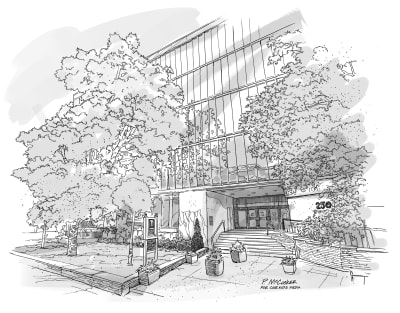
"Toronto Prep School starts later in order to maximize teen learning. The optimal time for teenagers to learn is late in the morning through to late afternoon. Our classes start at 10:00 am.
—From the school
|

"Appleby College in Oakville is recognized globally as one of Canada's leading independent schools. Breadth, excellence, innovation and caring are the characteristics that define the essence of the Appleby experience.
—From the school
|
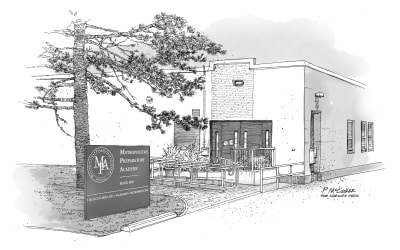
"Since 1982, Metro Prep has offered an accepting environment where students embrace their individuality and thrive academically. We are a non-uniform school that is now located at a brand new campus at 401 and Leslie.
—From the school
|

"RCS’s purpose is to unleash the potential in each student and set them on the path for a successful life. We provide rigorous academics with individual attention in a diverse, energizing, and caring environment.
—From the school
|

"The York School is a JK-Grade 12 Gender Inclusive IB World School in midtown Toronto. Our mission is to develop inquiring, knowledgeable and caring young people who are engaged citizens of the world.
—From the school
|

"Prestige School offers programs from Junior Kindergarten to Grade 12 in Toronto. Its average class size is 10 to 18 students.
—From the school
|

"At TCS, an excellent education means students remain open to learning throughout life and doing something positive with what they have learned.
—From the school
|
|
Oakville, Ontario Trafalgar Road/Dundas "TRMS uniquely provides enriched French as a second language (FSL) instruction for all levels from Preschool to Elementary. We give students a head start in their educational journey, instilling a "Love of Learning!"" —From the school
|
|
Ottawa, Ontario St. Laurent Blvd./Montreal Rd. "Our mission is personalized student academic success in a friendly and caring school community, in which all students are emotionally supported and socially welcome." —From the school
|
|
Mississauga, Ontario "Lynn-Rose's philosophy is to create an environment that is challenging and rewarding; focusing on social, intellectual and emotional aspects of the students development through IB and AP programme offerings." —From the school
|
|
Toronto, Ontario Davenport Rd/Spadina Rd "Smaller class sizes and our unique curriculum - infused with arts, movement, outdoor education - allow deeper connections across subjects, at all developmental stages. Waldorf education is “schooling with heart"." —From the school
|
|
Toronto, Ontario Yonge St/Sheppard Ave "Ontario Virtual School is an Ontario Ministry-inspected credit-granting institution offering Grades 7-12 courses in an interactive online format. Students can start anytime with 24/7 access." —From the school
|
|
Delta, British Columbia 56th/19 Ave "Southpointe Academy is the only secular International Baccalaureate (IB) Continuum World School south of the Fraser River authorized to deliver the entire range of IB programs from K-12." —From the school
|
|
Belleville, Ontario "We are a therapeutic boarding school for Gr. 3-12 students requiring individualized academic, clinical, and behaviour-management solutions in small class sizes and professional home stay or boarding environments" —From the school
|
|
Toronto, Ontario Spadina Ave/College Street "Authentic, CCMA accredited Montessori Schools located in downtown Toronto, offering programs for Toddlers, Casa, Elementary and Adolescent children in beautiful settings with large and expansive natural playgrounds." —From the school
|
|
Brampton, Ontario Sunforest Drive/Bovaird Drive E "RMS is an award-winning progressive private school. We focus on excellence, participation, leadership, and inclusivity while developing each child’s academic strengths, both in traditional and 21st Century skills." —From the school
|
|
Burlington, Ontario Hwy 6/Dundas Street "Our belief is “Forward Learning. Transforming People.” We focus on STEAM collaborative project learning, 21st-century skills, and inquiry-based thinking to prepare students with global competencies." —From the school
|
|
Toronto, Ontario York Mills/DVP "Crestwood Preparatory College offers a university preparatory program for students in grades 7 to 12. Crestwood always strive to Inspire Excellence and to Nurture the Individual." —From the school
|
|
Mississauga, Ontario Mississauga Road/Eglinton Avenue "Kendellhurst offers students an enriched curriculum blending project-based, traditional and arts-infused curriculum within a seamless technology program. Our school team supports a positive and safe school experience." —From the school
|
|
Toronto, Ontario "Located in the heart of Toronto, McDonald International Academy offers programs for grades 9 to 12 . Our average class size is 10 to 20 students." —From the school
|
|
Mississauga, Ontario "At Blyth Academy Mississauga, we know each of our students and through our individualized approach, we can meet their needs and make school a great place to be. We're one of eight Blyth Academy campuses in Ontario." —From the school
|
|
Mississauga, Ontario Erin Mills Parkway/Argentia Rd "We are different! As a leading IB World School and university preparatory school with a focus on student life, SJA students are inspired to confidently make their mark in the world." —From the school
|
|
Victoria, British Columbia Richmond Rd/McRae Ave "Independent Junior Kindergarten to Grade 12 boarding and day school in Victoria, BC, Canada focusing on outstanding preparation for life. Find out how a SMUS education can benefit your family." —From the school
|
|
King City, Ontario Keele St./King Rd. "Villanova College is York Region's only independent Catholic school offering Grades 4 to 12 in King City, Ontario. Average class size is 18 students. Specialty programs include STEM, AP and Domestic ESL." —From the school
|
|
Victoria, British Columbia "GNS is an independent JK-12 International Baccalaureate boarding and day school in Victoria, BC, that empowers and supports each of our students to do their best through truth and courage in learning and in life." —From the school
|
|
Victoria, British Columbia "We identify the experiences that facilitate education that empowers the individual and fosters a community of collaborative contributors through interdisciplinary, integrated integrated projects." —From the school
|
|
Burlington, Ontario Walkers Line/Fairveiw Street "Ashwood Glen offers a Montessori program for children aged 18months - 6 yrs. The Grades 1 - 8 Learning Program applies the IB framework to extend the learning outcomes of the Ontario curriculum." —From the school
|
|
Toronto, Ontario York Mills Road/Bayview Avenue "Junior Academy offers programs for students from Toddler to Grade Eight, in midtown Toronto. The average class size is 10 to 14 students and it caters to many types of students with different learning profiles." —From the school
|
|
Caledon, Ontario Hwy 10/Old School Road "The Hill Academy is Canada's premier independent school for students in K-12/PG. Students are challenged in a supportive environment to explore the boundaries of their academic, athletic and leadership potential." —From the school
|
|
Mill Bay, British Columbia "Brentwood is a leading university prep school that brings to life student choice through its bold tripartite program. We are a true boarding school, not merely a school with boarding, and the ocean is our playground." —From the school
|
|
Montreal, Quebec Rue Sherbrooke/Ave Connaught "College Prep International, a traditional private school in Montreal, offers English instruction with partial French immersion, for grades five to twelve. Its average class size range from 12 to 18 Students." —From the school
|
|
Oakville, Ontario Winston Churchill/Lakeshore Road East "Clanmore is one of the few schools offering authentic Montessori programming from Toddler - Middle School. Our culture is warm and inviting and our philosophy empowers us to support each child as a unique individual." —From the school
|
|
Toronto, Ontario Bayview/Lawrence "TFS - Canada's International School offers an exceptional bilingual education from age 2 to Grade 12. Average class size is 12 to 22 students. Entrance Scholarship to Grade 7 is available." —From the school
|
|
Richmond Hill, Ontario Bayview/Hwy 407 "TMS is a leading, accredited independent school that offers a unique design of Montessori and International Baccalaureate programmes. Our students thrive in academics while building a foundation of Significance for life." —From the school
|
|
Toronto, Ontario York Mills/Leslie "Learning is not one to many. It's many to one. From the teachers to the principal to the coaches and beyond, learning at WillowWood is a team approach." —From the school
|
|
Stratford, Ontario Ontario Street/Waterloo Street South "Private Secondary School in Stratford, Ontario dedicated to providing a holistic education that values happiness, academic excellence, personal growth, and social responsibility." —From the school
|
|
Richmond Hill, Ontario Yonge Street/King Road "Academy for Gifted Children - P.A.C.E. is a private school for intellectually gifted students in Richmond Hill, Ontario, from grades 1 through 8." —From the school
|
|
Toronto, Ontario York Mills/Leslie "Hawthorn School is located in Toronto. We offer a co-ed toddler-SK program and an all girls program for grade 1- grade 12. Our unique mentoring program is tailored to help students reach their full potential." —From the school
|
|
Toronto, Ontario "Crestwood School in Toronto offers JK to grade six, with an enrolment of 350 students. Class sizes average 15 students and tuition starts at $21,000." —From the school
|
|
Brampton, Ontario "Ontario eSecondary School (OES) offers fast, flexible and fully online courses supported by certified staff with free 24/7 tutoring. 8/10 of our students achieve over 85% in their course(s)." —From the school
|
|
Calgary, Alberta "Calgary French & International School's immersive French language learning environment and enriched curriculum for children aged 19 to grade 12 inspires a deep curiosity, respect and exploration of the world around them." —From the school
|
|
Toronto, Ontario Mt Pleasant Rd/Davisville Ave "Greenwood’s high-challenge, high-support model encourages academic engagement and growth for every student. Students and teachers build strong relationships within our warm and inclusive community." —From the school
|
|
Toronto, Ontario Lawrence/Don Mills "Brighton is the leading private school in Toronto for students with academic and/or social challenges. We offer curriculum-based and remedial Elementary programs; and credit, pre-credit and non-credit Secondary streams." —From the school
|
|
Ottawa, Ontario Highway 417/Greenbank "Acadecap International School (Académie de la Capitale), an IB World School, offers bilingual and/or English programmes from JK to Grade 12. Students thrive in a growth mindset environment and a culture of excellence." —From the school
|
|
Victoria, British Columbia "Brookes Westshore is an IB World School on beautiful Vancouver Island, BC, offering grades 4 to 12 in both day and boarding programmes (from grade 8 for boarding). We have an average class size of 15 students." —From the school
|
|
Stanstead, Quebec Dufferin Street/Willow Lane "An English school in a French milieu, Stanstead College is located on the Quebec-Vermont border, offering rigorous university-prep, Grades 7 to 12 (including AP options), in a secure, family-focused learning environment." —From the school
|
|
North Vancouver, British Columbia Harbourside Drive/ "Bodwell High School emphasizes a well-rounded education with strong student support. The school's motto, "Strength in Diversity," pays homage to the 40+ countries students come from. Bodwell offers AP and IB courses." —From the school
|
|
Richmond Hill, Ontario Yonge Street/Silverwood Ave. "Century Private School in Richmond Hill runs from preschool to grade twelve, with small class ratio to ensure best learning for our students." —From the school
|
|
Calgary, Alberta "Our Academy (in-person) and Studio (online) personalized programs are designed for students with a diagnosed learning disability to achieve their potential through outstanding support within and outside the classroom." —From the school
|
|
Toronto, Ontario Yonge/Eglinton "We go beyond curriculum expectations to provide opportunities for students to earn admission into their university of choice using our AP accreditation, staff expertise and individualized goals in small classes." —From the school
|
|
Toronto, Ontario Avenue Rd/Bloor St W "RDS is a downtown co-ed school that fosters future-ready leaders by honouring the unique character and potential of each child. We offer small class sizes and access to top-tier facilities like UoT, the ROM and the AGO." —From the school
|
|
Mississauga, Ontario Lakeshore Road/Southdown "Peel Montessori and Carrington College div. students learn above grade level for subjects of strength. Individualized curriculum, advanced academic strategies, and character development give students a personal edge." —From the school
|
|
Toronto, Ontario "Humberside Montessori School is internationally recognized and accredited by Association Montessori Internationale (AMI). Our AMI certified teachers provide an authentic Montessori experience for our students." —From the school
|
|
Calgary, Alberta 17 Avenue SW/69 Street SW "Rundle students enter their post-secondary schools of choice thanks to our enriched academics and character, leadership, and wellness pillars. We proudly live by our values, Together: Be Kind, Be Curious, Be Well." —From the school
|
|
Fort Erie, Ontario Townline Rd./Niagara Parkway "Niagara Christian Collegiate offers both middle school and secondary school programs from Grades 6-12. Graduating students achieve top university placements around the world. We accept both day and boarding students." —From the school
|
|
Scarborough, Ontario Kennedy Road/Progress Avenue "Enquiring Minds Montessori is a one-of-a-kind Montessori Art School. We have created a unique learning experience that fosters academic and artistic excellence in a nurturing environment while challenging young minds." —From the school
|
|
Toronto, Ontario "At Central Montessori School (CMS), young minds are inspired to be creative, innovative, and inquisitive. We cultivate bright, young leaders and strong communicators ready for the 21st century." —From the school
|
|
Richmond Hill, Ontario "Richland Academy is a progressive, innovative Reggio-inspired and International Baccalaureate (IB) PYP Authorized and MYP Candidate School for children from Junior Kindergarten to Grade 8." —From the school
|
|
Mississauga, Ontario Derry/HWY 27 "Uniquely nestled in 100 acres of green space, Newton’s Grove offers a 45-year legacy of providing the perfect learning environment with exceptional academic, arts, and athletic programming, and a signature music program." —From the school
|
|
Windsor, Nova Scotia College Rd/King St "Benefitting from its safe and beautiful Nova Scotia location, King's-Edgehill facilitates the opportunity for every student to Be More – in the classroom, on the sports fields, on stage, in the community and beyond." —From the school
|
|
St. Catharines, Ontario Ridley Road/Henrietta Street "Ridley College is an acclaimed co-educational IB boarding and day school that prepares meaningful and flourishing lives by teaching the habits of mind, body and spirit, and the values needed to lead in a global society." —From the school
|
|
Shawnigan Lake, British Columbia "Beginning in Grade 8, our unique Shawnigan journey purposefully guides students through a distinct, unparalleled and bold educational experience on our stunning waterfront campus on Canada’s beautiful West Coast." —From the school
|
|
Belleville, Ontario "At Albert College, every student is an 'A' student. From Pre-Kindergarten to Grade 12, our students experience all 5 of the Albert 'A’ s: Academics, Arts, Athletics, Active citizenship and Adventure programming." —From the school
|
|
Kanata, Ontario March Road/Sandhill Road "March Academy offers an alternative program for students in grades 1 through 8. Small classes with enriching academics as well as weekly lessons in music, the arts, nature, yoga, taekwondo, and daily physical education." —From the school
|
|
Etobicoke, Ontario Burnhamthorpe Road/Kipling Avenue "At Olivet School, we focus on building the "whole child". We create a warm, caring environment for our students through small class sizes and integrating Christian values and character development into all that we do." —From the school
|
|
Toronto, Ontario Bloor/Spadina "Guidepost is a new Montessori school coming to Toronto [Annex], serving children from 10 weeks to 12 years old. We offer year-round programming and rolling admissions into our programs to meet the needs of every family." —From the school
|
|
Oakville, Ontario Burnhamthorpe Rd. W/Neyagawa Blvd. "King’s Christian Collegiate is an independent Christian high school providing superb instruction in a safe, stimulating academic environment. Caring staff set the tone for a positive, up-beat culture." —From the school
|
|
Toronto, Ontario Lawrence Ave./Bathurst St. "The Clover School's innovative curriculum combines Montessori essentials with heart-centred learning practices designed to nurture the mind, heart, health, and soul of each child." —From the school
|
|
Vancouver, British Columbia Dunsmuir/Seymour "Alexander Academy is a private high school offering the BC Dogwood High School Diploma and a unique University Transfer Program in a culturally rich and academically challenging environment." —From the school
|
|
Toronto, Ontario Avenue Road/St. Clair Ave. "De La Salle College is a Catholic, co-educational, university preparatory school in Toronto from Grade 5 to 12, with an average class size of 20 students and tuition at $16,300 - $16,900." —From the school
|
|
Ottawa, Ontario Conroy Rd/Walkey Rd "Astolot Educational Centre is a day school with grades 1 to 12 in Ottawa, Ontario. Classroom teacher-student ratios are 1 to 10. Students have the ability to reach their full potential with Astolot programming." —From the school
|
|
Montreal, Quebec Av de Monkland/Boul Cavendish "Lower Canada College is a gender-inclusive, K-12 university preparatory school, committed to excellence in teaching and learning. It is the only high school in Quebec offering both the IB MYP and DP." —From the school
|
|
Sault Ste. Marie, Ontario QEW/Erin Mills Parkway "GlenOak Academy offers an educational experience as EXTRAORDINARY as your child! Our innovative, engaging approach to teaching and learning focuses on positive relationships, character development and academic success." —From the school
|
|
Markham, Ontario Woodbine/16th Avenue "Trinity Montessori School offers programs from toddler to grade six in Markham, Ontario. Its average class size is nine students." —From the school
|
|
Hamilton, Ontario Garth Street/Fennell Avenue West "Established in 1901, Hillfield Strathallan College is one of Canada’s leading co-educational independent schools, offering academic programs from Montessori Toddler and Pre-K to Grade 12, in Hamilton, Ontario, Canada." —From the school
|
|
Innisfil, Ontario "We're a community which inspires independent, lifelong learners by building competence, confidence, and character." —From the school
|
|
Toronto, Ontario 404/DVP/Sheppard Avenue "North Toronto Christian School offers a full day, co-educational program from junior kindergarten to grade 12." —From the school
|
|
Unionville, Ontario Brimley Road/14th Ave "Founded in 1990, Yip's Montessori Program cater to children from 1.5 to 6 years old. Yip's campuses are located in Markham and Unionville." —From the school
|
|
Burlington, Ontario Appleby Line/Upper Middle Road "Halton Waldorf School offers an education that fosters confidence, independence and intelligence. Located on five forested acres, the school has been uniquely designed to support the goals of Waldorf education. Est 1984" —From the school
|
|
North York, Ontario Bathurst/Wilson "Magnificent Minds Inc. caters to students whose needs are not being met in traditional school environments, pursuing personal best through a balanced approach to education." —From the school
|
|
Toronto, Ontario Yonge St/King St "Keystone students become internationally-minded inquirers, who ask questions and seek their own answers through both local and global perspectives. By nurturing students’ natural curiosity, we foster a love for learning." —From the school
|
|
Toronto, Ontario Duplex Ave/St Clements Ave "At SCELS we believe giving children an early education will build a solid foundation to prepare them for their next school setting." —From the school
|
|
Ottawa, Ontario Bank/Heron "Westboro Academy is a proud leader in bilingual education for young learners from Kindergarten to Grade 8. Give your child a lifetime of excellence with Ottawa's most personalized, truly bilingual education." —From the school
|
|
Kitchener, Ontario "Carmel New Church School provides a loving, peaceful place with indoor and outdoor classrooms where students are taught to become productive and caring people, both in this life and the next." —From the school
|
|
Mississauga, Ontario Hurontario/Queensway "TEAM School offers programs from Grades 1 to 12 in Mississauga. Its average class size is 8 to 12 students." —From the school
|
|
Markham, Ontario Woodbine Ave/Hooper Rd "Early Learning Centre to Grade 12. Discipline. Character. Respect. Complete your child's academic and spiritual foundation. Discover why PCA students excel!" —From the school
|
|
Mississauga, Ontario "Guiding Light Academy is a Catholic private elementary school in Streetsville, Mississauga. We offer an enriched curriculum for JK, SK and Grades 1 to 8. We are located just minutes away from the Streetsville Go Station." —From the school
|
|
Bracebridge, Ontario "Dewey’s educational goals follow the philosophies of John Dewey, preparing students through “student-centred learning" and "learning by doing", while emphasizing the cultivation of the "three New Liberal Arts"." —From the school
|
|
Toronto, Ontario University Ave./Dundas street "Cornerstone students love to shape the future. They INSPIRE learning, DISCOVER their potential, EMPOWER themselves to be innovative citizens. Our boundless learning strategies open doors for successful learning." —From the school
|
|
Laval, Quebec "NSAL is the only private English high school on Montreal's North Shore. We offer small classroom sizes and an enriched curriculum. We teach not only for school but for life! Certificate of eligibility not required." —From the school
|
|
Toronto, Ontario Bayview/Eglinton "Diverse, warm community. Exceptional phonics program to build early literacy. Collaborative, multi-strategy approach to math. Public speaking, the arts, outdoor ed, mindfulness, community engagement." —From the school
|
|
Toronto, Ontario Bathurst St./Eglinton Ave. West "NOW WITH LICENSED DAYCARE! Bring your child for a free trial to let him or her experience the difference. Don't be surprised if he or she doesn't want to go home at the end of the day! SUMMER CAMP PROGRAMS AVAILABLE!" —From the school
|
|
Aurora, Ontario St. John Sideroad/Yonge St. "Aurora Montessori offers an enriched Montessori program for students, Toddler to Grade 8, with an option of an OSSD credit in Grade 9 Math. A unique Mindfulness and Technology program develops key 21st-century skills!" —From the school
|
|
Ottawa, Ontario Donald St/Frances St "Promote academic excellence that stimulates the acquisition of language skills, the development of scientific and artistic competencies as well as the formation of a critical mind, in a multicultural environment." —From the school
|
|
Halifax, Nova Scotia "With a global network of schools around the world, a rich and proud history, and a strong and unique set of core values, Sacred Heart offers not just an education but an experience that is unparalleled in Nova Scotia." —From the school
|
|
Mississauga, Ontario "Meadow Green Academy provides a strong Christian education in a nurturing environment. Strong academics combined with sports, enriched music, visual arts, and dramatic arts programs provide a well-rounded experience" —From the school
|
|
Toronto, Ontario St. Clair Ave West/Avenue Road "Founded on the science of neuroplasticity, Arrowsmith Program provides students with the skills necessary to overcome their learning disabilities and transform their academic, cognitive, emotional and social lives." —From the school
|
|
Calgary, Alberta 17th Ave SW/Richmond Road SW "In addition to academics, our focus on mentorship, hands-on learning in and outside the classroom, and character development, will allow our students to thrive academically and personally as they discover who they are." —From the school
|
|
Toronto, Ontario "Aurora Alternative Micro School has created a curriculum that combines academic and creative experiences , engaging a child's head, heart and hands in an environment that is supportive, nurturing and rich in growth." —From the school
|
|
Concord, Ontario "Rotman School: Educating children to empower them for positive contributions to Canadian society. Fostering independence, creativity, and self-esteem through exploration of unique skill sets." —From the school
|
|
Rigaud, Quebec Rue Saint-Pierre/Rue Bourget "Collège Bourget is a day & boarding school located between Montreal and Ottawa. French and English high school programs are offered. Bourget aims to foster personal autonomy, academic development, and perseverance." —From the school
|
|
Oakville, Ontario Lakeshore/Third Line "Oakville Christian School is committed to instilling confidence in young lives during their formative years, and cultivating in its students solid Christian character traits and values." —From the school
|
|
Ottawa, Ontario Baseline Rd./Woodroffe Ave. "Bishop Hamilton Montessori School, a not-for-profit independent school in Ottawa, provides an authentic Christian Montessori approach for children 3 months to 14 years." —From the school
|
|
Richmond Hill, Ontario Major Mackenzie/Bayview Avenue "Richmond Hill Montessori Private School offers programs from pre-school to grade eight. Its average class size is 20 students." —From the school
|
|
Toronto, Ontario Yonge/Eglington "The Dalton School offers a dual-language English-Mandarin program where children from JK to Grade 8 can thrive in a warm, enriched, multicultural environment." —From the school
|
|
Toronto, Ontario Prince Edward Dr N/Bloor Street West "Prince Edward Montessori School offers programs for various grades in Toronto. Its average class size is ten to 16 students. " —From the school
|
|
Richmond Hill, Ontario "A place where every learner is seen, heard and empowered to make an impact in their communities. An unparalleled online learning experience, providing academic excellence, experiential learning and personalized support." —From the school
|
|
Ottawa, Ontario Mariposa Avenue/Springfield "This traditional private school in Ottawa, Ontario offers Grades 4 to 12 with 100 boarding and 600 day school students. Tuition is from $33,720 to $76,830." —From the school
|
|
Toronto, Ontario Yonge St/Lawrence Ave "Blyth Academy Lawrence Park is one of nine Blyth Academy campuses in Ontario. Our campus located in midtown Toronto provides the warmth and community of a neighbourhood school." —From the school
|
|
Vancouver, British Columbia Broadway/Granville "Vancouver's only dedicated STEM high school, VISST offers the full BC curriculum with accelerated & enriched STEM. Students will learn from domain experts and PhDs in small classes." —From the school
|
|
Mississauga, Ontario Dundas St. W/Erin Mills Pkwy "We offer a specialized program and teaching; focusing on the core subjects of language and math, incorporating cognitive activities and therapies for students with learning difficulties to help them learn and succeed." —From the school
|
|
Richmond Hill, Ontario "HTS offers a remarkable opportunity for students from JK-12 to shape their own experience through our comprehensive academic and co-curricular programming, led by our incredible faculty and staff." —From the school
|
|
Calgary, Alberta Blackfoot Trail S.E/Glenmore Trail "With 100% post-secondary acceptance, WIC empowers students to follow their passions, be creative and embrace challenges. A rigorous curriculum along with hands-on learning ensures a well-rounded experience for students." —From the school
|
|
Okotoks, Alberta Range Road 12/306 Ave W "Strathcona-Tweedsmuir School is an independent, private coeducational, continuum IB (primary, middle, and diploma programme) day school for Kindergarten - Grade 12, located just outside of Calgary, AB." —From the school
|
|
North Vancouver, British Columbia "Our rigorous, personalized programme and strong teacher-student relationships enable us to cultivate each student's talents, helping them build on strengths and discover the joy of learning." —From the school
|
|
Newmarket, Ontario "LMMH was established in 2003, the school offers a unique French Immersion Program as well as an English Program for children from 2 ½ to 13 years of age. Our students also learn to ski, golf, play tennis and more." —From the school
|
|
Pickering, Ontario Kingston/Altona "École Montessori is Durham Region's premier French private school dedicated to transforming your child into a bilingual critical thinker with our enriched curriculum that fosters the genius within each student." —From the school
|
|
Toronto, Ontario Lower Spadina/Bathurst "At Free Spirit MDT, we are dedicated to creating a nurturing, stimulating and welcoming environment. Learning in a intimate setting, we are able to take into consideration and encourage the free spirit of each child." —From the school
|
|
Hamilton, Ontario Rymal Road West/Glancaster Road "HDCH, founded in 1956, is imaginative, innovative learning environment. Our programs are designed to challenge a wide range of learners. We welcome local and international students into our Christ-Centred community!" —From the school
|
|
North Vancouver, British Columbia W 22nd/Phillip "As a Reggio Inspired School in North Vancouver, Sunflower engages daily in rigorous reflective practice - collaboratively designing curriculum and environment around the emerging interests and curiosities of the children" —From the school
|
|
Sheffield & Lynden, Ontario Sheffield/Safari Rd "With small classes, highly intelligent teachers, an exceptional location, and high academic standards, Lee Academy is one of the finest academic elementary schools in Ontario, between Brantford, Hamilton, Cambridge." —From the school
|
|
Toronto, Ontario Queen St E/Woodbine Ave "ATI is a school for ambitious teens who want to develop into independent, curious, self-motivated individuals. Gain the skills, knowledge and agency to build the future that you want. Located in The Beaches." —From the school
|
|
Scarborough, Ontario "We are one of the few schools in the GTA to provide small class sizes (6-8 students) where students receive continuous attention. There is a lot of one-on-one support from our qualified teachers throughout the course." —From the school
|
|
Mississauga, Ontario Hurontario/Queensway "Shepherd Montessori Private Catholic School in Mississauga offers Casa Montessori programs for children a ged 2.5 to 6. Before- and after-school care and summer camps also available." —From the school
|
|
Aurora, Ontario Wellington Street/Yonge "Aurora Preparatory Academy is small by design, a supportive JK-8 community in which students thrive. Affordable tuition and an advanced programme, including all-grade French, music and art, and inclusive sports teams." —From the school
|
|
Toronto, Ontario "With faculty that truly cares for your child’s wellbeing, we provide a rare tight-knit community that feels like home. With a warm and welcoming culture, students are inspired to confidently make their mark in the world." —From the school
|
|
Oakville, Ontario Trafalgar Road/Cornwall Road "MacLachlan College’s Lower School offers world-class education tailored for JK to Grade 6. Our co-ed IB PYP fosters vibrant, international-minded learning in small classes, laying the foundation for academic success." —From the school
|
|
Toronto, Ontario Bayview Ave/Broadway Ave "A daily goal is for our children to arrive at school excited for the day ahead. Aside from our excellent academic programs, we plan many fun events for the children to enjoy throughout the school year." —From the school
|
|
Thetford, Vermont(USA) "TA’s award-winning faculty are recognized for their innovative teaching practices, learners are engaged, and diversity is celebrated. TA students work collaboratively and independently to reach their full potential." —From the school
|
|
Ottawa, Ontario Vaughan Street/Bertrand Street "Ottawa’s Fern Hill School offers Preschool, Kindergarten and Elementary Grades, including Core & Advanced French. Tuition starts at $3,250." —From the school
|
|
Victoria, British Columbia Quadra Street/Burdett Avenue "Our students learn in a progressive, authentic, inspiring, welcoming, nurturing and in a safe, child-centred environment. Our small size, with one class for each grade, gives a sense of being part of a close-knit family." —From the school
|
|
Calgary, Alberta "Calgary Waldorf School’s rich and engaging curriculum carefully balances academic, artistic and practical activities to stimulate intelligence and encourage creativity." —From the school
|
|
Toronto, Ontario "GIST is the only full-time German school in Toronto offering high-quality education that empowers students to excel as global citizens. Our Character framework strengthens and promotes the best in every student." —From the school
|
|
Mississauga, Ontario Erin Mills Parkway/Turner Valley Road "A special needs education private school in Mississauga offering programs using the Developmental, Individual Differences, Relationship-Based (DIR®) Model. Theme-based DIR® March/Summer Camps are also available." —From the school
|
|
Kanata, Ontario Eagleson Road/Stonehaven Drive "For 50 years, Kanata Montessori has offered excellent learning environments for students to grow emotionally, socially and academically into a positive global citizen." —From the school
|
|
Toronto, Ontario Yonge/Sheppard "A STEM-oriented private high school in North York, catering to local and international students both in-person and virtual classes. We take pride in our students' impressive university placement achievements." —From the school
|
|
North York, Ontario Avenue Road/Lawrence Avenue "Through our dynamic individual education plans, mentorship, and therapeutic counselling we ensure all students feel comfortable, respected and cared for, so they stay actively engaged in their educational journey." —From the school
|
|
South Wales, New York(USA) "The Gow School is a college-prep boarding and day school for students, grades 6-12, with dyslexia and similar language-based learning disabilities." —From the school
|
|
Toronto, Ontario Dufferin St/Lawrence Ave W "Leonardo Da Vinci Academy provides exceptional schooling for the formative years. Our unique curriculum aims to instil a love of learning and challenges students to develop their full potential." —From the school
|
|
Rosthern, Saskatchewan "RJC is a Grades 10-12 boarding school accredited by the Saskatchewan Ministry of Education. RJC is student and community-focused all while offering excellent academics and exceptional athletic and fine arts programs." —From the school
|
|
Richmond Hill, Ontario Bayview Avenue/Weldrick Road "Christ is the center of Richmond Hill Christian Academy. To know Him and to make Him known is our mission while at the same time, preparing the next generation for academic excellence in His service is our goal!" —From the school
|
|
Toronto, Ontario Queen Street East/Glen Manor Drive "Our objective is to guide children with respect and understanding, developing in them a love of learning. Our aim is to create a nurturing environment full of intellectual, social and moral learning and development." —From the school
|
|
Fredericton, New Brunswick "The main objective of FMA is to provide your child with a planned and stimulating environment in order for them to be able to reach their own individual and highest learning potential while honouring the whole child." —From the school
|
|
Calgary, Alberta Garrison Blvd SW/33 Ave SW "Lycée international de Calgary is the only school in Calgary to teach the French Ministry of Education and Alberta Education curricula. 3-years-old to Grade 12. All linguistic backgrounds are welcome. Small class sizes." —From the school
|
|
Markham, Ontario Denison/Warden "Our curriculum are designed to build essential skills and concepts that help with the cognitive, social, creative, emotional, and physical development of your child with the aim to be a successful learner for life!" —From the school
|
|
Toronto, Ontario Wilson Avenue/Avenue Road "Glen Briar Academy provides hands on programs and student centered teaching strategies that shape life long learners." —From the school
|
|
Montreal, Quebec De Maisonneuve West/Park Row West "At Kells, flexibility is the key. We develop programs allowing students to work within their comfort zone, which may be above, below or at grade level. The result is students who outperform even their own expectations." —From the school
|
|
London, Ontario Richmond Street/King Street "A Canadian Private Secondary Boarding school, located in the heart of London, Ontario. LIA is authorized to grant the Ontario Secondary School and International Baccalaureate Diploma Programme." —From the school
|
|
Bayfield, Ontario "After 22 years of teaching courses online, VHS is unrivaled in experience, credibility, and expertise. Our student-centred model provides a world-class educational experience for thousands of Ontario students each year." —From the school
|
|
Toronto, Ontario Yonge St/Davisville Ave "2E Learners, differentiated profiles AP, Reach Ahead classes, and enrichment Academic focus on inquiry and critical analysis Collaborative and feedback-rich environment Unique and robust clubs/extra curriculars" —From the school
|
|
Amaranth, Ontario "The Maples is an established private IB World School in Orangeville, Ontario providing exemplary education for students (Pre-School to Grade 8). Daily French instruction in PS and Kindergarten with an academic focus." —From the school
|
|
Vancouver, British Columbia "Stratford Hall takes learning beyond IB with its IDEA Lab, OEE and partner schools, where students strive to develop harmony between the urban and natural world through activities like camping, music, and orienteering." —From the school
|
|
West Vancouver, British Columbia "Collingwood’s personalized and inclusive approach fosters academic excellence and well-being as our students explore opportunities across the four strands--academics, athletics, arts and service learning." —From the school
|
|
Markham, Ontario "Markham, Ontario; IB School; OSSD; OSSD online credit course; NOIC ACADEMY’s annual university enrolment rate is 100% and more than 85% of graduates are admitted by University of Toronto." —From the school
|
|
Ancaster, Ontario Garner rd w/Panabaker dr "Our friendly, helpful and inclusive environment makes us unique! TBC cultivates respect. We expect our students to work hard, to think critically and creatively. A parent coined it a "Boutique School". Proud to be." —From the school
|
|
Merrickville, Ontario St. Lawrence Street/Elgin Street "Whether your child is excelling or not reaching their potential, our inclusive, safe, diverse and caring community, with individualized academic attention will improve academic standing, confidence and self-esteem." —From the school
|
|
Lanciano, Italy "Canadian College Italy provides a nurturing environment on our beautiful historic campus so that students may experience an intellectual awakening — a passion for the pursuit of reason, human connection, and curiosity." —From the school
|
|
Toronto, Ontario Eglinton Avenue East/Laird Drive "Explore Nature is experiential learning, exploring curiosity for the natural world. Our programs embrace nature connection through meaningful experiences and relationships focusing on personal growth and well-being." —From the school
|
|
West Vancouver, British Columbia Upper Levels Highway/Cypress Bowl exit "By inspiring excellence – the continuous pursuit of personal best - in education and life, Mulgrave strives to equip lifelong learners to thrive in a diverse and interdependent world." —From the school
|
|
Calgary, Alberta Crowchild Trail/Flanders Ave. SW "Clear Water Academy is the only private Catholic school in Alberta. We offer a rigorous academic program from Jr. Kindergarten to Grade 12 for students of all faiths. 100% of our students pursue post-secondary education." —From the school
|
|
Markham, Ontario Woodbine/HWY 7 "Wishing Well Schools offers a comprehensive academic program catering to a wide age range, spanning from 18 months to Grade 8. Our curriculum includes a Montessori program designed for children aged 18 months to 6 years." —From the school
|
|
Mississauga, Ontario Erin Mills Pkwy/Millcreek Drive "Western Heights offers an enriched Montessori program that fosters a love of learning. The school actively engages its close-knit parent community to offer an enriched curriculum that adapts to each student's needs." —From the school
|
|
Etobicoke, Ontario Bloor/Shaver "Kingsley's small classes and personal approach help students reach their unique potential. Each child is seen, heard, and respected. French, music, and phys-ed round out a program which includes plenty of time outdoors." —From the school
|
|
Winnipeg, Manitoba South Dr/North Dr "SJR is the world’s leading school in Debating and Public Speaking. It has produced 18 Rhodes scholars and 3 math olympiads. 98% of SJR graduates are accepted to their first choice university program." —From the school
|
|
Burlington, Ontario Guelph Line/New Street "At ELEVATE, we are focusing on identifying and meeting the needs of students with learning differences. We use evidence-based approaches like UFLI, Wilson, and OG to support our students." —From the school
|
|
Toronto, Ontario Don Mills Rd/York Mills Rd "Building on internationally acclaimed preschool reading success, SLI has grown into a hub for ground-breaking student achievement in literary, STEM, and artistic achievement across Pre-K - Gr 6 (offered on site/ online)" —From the school
|
|
Kirkland, Quebec Rue Edmond/Ch Ste-Marie "Kuper Academy offers programs from pre-school to grade eleven in Kirkland. Its average class size is 22 students." —From the school
|
|
Toronto, Ontario "Bannockburn School leads in Montessori education by offering an exceptional, enriched Montessori curriculum in a nurturing environment carefully prepared to meet the needs of children in the formative years of childhood." —From the school
|
|
Markham, Ontario Brimley Road/14th Ave South "Established in 1974, Somerset Academy is an independent, not-for-profit private school that provides education to students in JK Grades 8. Somerset Academy has an average class size of 13 to 18 students." —From the school
|
|
Etobicoke, Ontario "Oak Learners inspires meaningful learning every day for students in Kindergarten through Grade Eight. Passionate teachers nurture children’s natural curiosity about their world with hands-on experiences." —From the school
|
|
Mississauga, Ontario Eglinton Ave W/Ninth Line "Sherwood Heights School offers Enriched Academic Programmes from Kindergarten to Grade 12, in Mississauga. The Programmes are Enriched and Comprehensive, delivered with Extra Attention and Care." —From the school
|
|
Oakville, Ontario QEW/Ford Drive / Ninth Line "La Villa Montessori is an AMI recognized School that adheres to Dr. Montessori's principles. We provide a nurturing environment that fulfills the child's emotional, social, physical and intellectual needs." —From the school
|
|
North York, Ontario Finch Ave. W./Bathurst St. "CAA has been serving the GTA for 70 years. Our students learn through a strong academic curriculum, community engagement and alumni mentorship – with a 98% acceptance rate to the University of their first choice." —From the school
|
|
Rosseau, Ontario Hwy. 141/Bright Street "Through extraordinary learning opportunities rooted in meaningful outdoor education experiences in our unique natural environment, RLC graduates develop the skills, knowledge and confidence to take on any challenge." —From the school
|
|
Montreal, Quebec Sherbrooke/Atwater "Students thrive in an inclusive, structured learning environment that provides academic accommodations for all learners. We help students become autonomous, resilient lifelong learners!" —From the school
|
|
Markham, Ontario Woodbine Av./Hwy 7 "Since 2002, J. Addison has provided a stimulating education for students. Located at the corner of Woodbine and Valleywood Drive in Markham, ON, Canada, you will find our state-of-the-art 58,000 sq. ft. facility." —From the school
|
|
Richmond, British Columbia "We emphasize critical thinking, as well as innovation, joy, and curiosity." —From the school
|
|
Markham, Ontario Kennedy Road/Steeles Avenue "Located in Markham, Ontario, Town Centre Private Schools is an International Baccalaureate® Continuum School offering a Montessori Pre-School program as well as an IB Elementary School and optional IB Diploma Programme." —From the school
|
|
Montreal, Quebec The Boulevard/Côte-des-Neiges Road "The Priory School specializes in early childhood education, a place where childhood is cherished, and where meaningful learning takes place in an enriched and nurturing learning environment." —From the school
|
|
Toronto, Ontario Dufferin/Eglinton "Infusing the French Ministry of Education's excellence with Toronto's cultural richness, our school cultivates trilingual proficiency, propelling students toward admission to top universities worldwide" —From the school
|
|
Kitchener, Ontario "Incorporating academic excellence, service and peace-making, Rockway is a diverse learning community of students in Grades 7 to 12 including a dynamic international student exchange program." —From the school
|
|
Toronto, Ontario "Howlett Academy is a private, co-educational school for JK to Grade 8. Accountability, Integrity, Teamwork, Innovation, Creativity and Energy are our core values." —From the school
|
|
Mississauga, Ontario Cawthra/Lakeshore "TFS - Canada's International School (West Campus) offers the Ontario, France and IB programs from Pre-Kindergarten to Grade 7 in Mississauga. We are bilingual, coed, non-denominational and and IB World School." —From the school
|
|
Orleans, Ontario "Ottawa Victory Christian Academy becomes an extension of your family. Staff and teachers know each child and work with students and their family to achieve success academically, socially, physically, and spiritually." —From the school
|
|
Mississauga, Ontario Hurontario St/Matheson Blvd E "ABC Montessori is one of Mississauga's premier private schools. We offers both Montessori and traditional school programs from preschool to Grade 5 with an emphasis on developing literacy, numeracy, sciences, and arts." —From the school
|
|
Duncan, British Columbia Brownsey Avenue/Government Street "Queen Margaret's School is a gender inclusive independent day/boarding university preparatory school in Duncan, BC that focuses on preparing young trailblazers...no two journeys are the same." —From the school
|
|
Kitchener, Ontario "Scholars' Hall is a family-focused school that uses traditional teaching methods combined with a fully integrated Leadership program to raise strong, capable, independent, and intelligent young adults." —From the school
|
|
Oakville, Ontario Dundas Streeet/Ninth Line "Fern Hill School is a private school for Preschool through Grade 8 providing enriched learning that is delivered by passionate teachers. Our school is regarded as one of the pre-eminent elementary schools in Canada." —From the school
|
|
Kimberley, British Columbia "Grateful. Mindful. Purposeful. Successful. At Purcell Collegiate School, we will prep you--for university and for life. Learn more about the u.prep@pcs suite of extra-curricular programs on our website." —From the school
|
|
Riverview, New Brunswick "Focusing on balancing academic and intellectual growth with physical and mental well-being, we engage students in a culture of collaboration and wellness through our world-class academic program." —From the school
|
|
Toronto, Ontario Leslie Street/York Mills Road "The Giles School has small class sizes, leadership programs and intensive STEAM learning that support both immersion and introductory language programming in English, French and Mandarin." —From the school
|
|
Calgary, Alberta 37 Street NW/Bowness Rd NW "Foothills Academy is an independent school for students with diagnosed Learning Disabilities in grades 3 - 12. Small class sizes allow the experienced staff to create a positive learning environment." —From the school
|
|
Mississauga, Ontario Dixie Road/South Service Road "The close-knit community at Star delivers on Learn to Love to Learn™ with project-based, cross-curricular and experiential learning. Our Five Pillars of Child Development guide learning experiences for students in K-8." —From the school
|
|
Toronto, Ontario "We welcome children from all families, Christians, or non-Christians. We tailor make k-12 curriculum to fit each kid’s unique characteristics. our teachers are professional with truthful love & highly responsible." —From the school
|
|
Calgary, Alberta 162 Ave SW/24 St SW "Glenmore Christian Academy (GCA) is a private school in Calgary with specialist educators in academics, arts, and athletics. Our mission is to Teach Truth, Inspire Excellence, Experience Christ and Serve through Love." —From the school
|
|
Brantford, Ontario Charlotte St/Chatham St "Located in Brantford, Ontario, Montessori House of Children (MHC) provides excellent programs for grades Nursery to 3 and helps young children reach their learning potential with both independent and self-directed learning. MHC also offers support for students with learning differences." —From the school
|
|
Richmond Hill, Ontario Leslie/16th Ave "Morningside/ABA based curriculum and individualized approach targets not only academic success but also emotional, social, vocational and life skills that are the core skills of life-long success of each student." —From the school
|
|
Brantford, Ontario Colborne/Clarence "At Haven, we equip our students with critical thinking skills, a global perspective, and a respect for core values of honesty, loyalty, perseverance, and compassion." —From the school
|
|
West Vancouver- Bowen Island, British Columbia "Our four year program is developed to equip and inspire students to cultivate their humanity. We are distinctly different: a small (IB) middle school that fosters intellectual engagement, citizenship and leadership." —From the school
|
|
Vancouver, British Columbia Cambie/Nelson "Claren Academy is a future-focused independent school located in the heart of Vancouver. We give students the tools to be creative, competent, and happy in their changing world." —From the school
|
|
Vancouver, British Columbia "HongDe Elementary School provides Kindergarten-Grade 5 students a Chinese (Mandarin) / English bilingual education in a safe and supportive learning environment that recognizes the individual needs of each student." —From the school
|
|
Toronto, Ontario "Some of the greatest inventors, authors, and entrepreneurs of our time had minds that differed from the average. Our unique methodology addresses the needs of learners with ADHD and Dyslexia." —From the school
|
|
North York, Ontario Leslie Street/401 "Webtree Academy offers individualized education programs which fully support students' academic needs, and helps them achieve educational and personal goals. Small class sizes are designed to inspire and engage students." —From the school
|
|
Toronto, Ontario Davenport/Dupont "The Mabin School offers programs from Junior Kindergarten to Grade 6 in Toronto. Its average class size is 20 students." —From the school
|
|
Breslau, Ontario "Students receive an excellent education which prepares them well for university, college and a wide variety of workplaces." —From the school
|
|
Milton-Campbellville, Ontario Highway 401/Guelph Line "At Hitherfield we believe that every child is unique, and has their own strengths and interests. With individualized programming, Hitherfield continues to nurture growth, success and confidence in all of our students. " —From the school
|
|
Oakville, Ontario QEW Highway/403 Highway "Walden International School is the only private school in Halton region that is authorized to deliver the IB PYP and MYP programmes. Walden is committed to Making Good People. And, from goodness arises greatness." —From the school
|
|
Etobicoke, Ontario "Quo Vadis, through a Polish-English bilingual program, aims to assist in the formation of well-rounded, responsible individuals, promotes academic excellence and encourages self-esteem within a Catholic environment." —From the school
|
|
Regina, Saskatchewan "Luther College prepares students to be compassionate, creative, and critical thinkers who go on to create a more grace-filled, just, and joyful world. Luther College is the only IB World School in southern Saskatchewan." —From the school
|
|
Markham, Ontario 14th Ave/Kennedy "Trillium School is a private school that offers programs from pre-school to grade twelve in Markham with Montessori-based kindergarten." —From the school
|
|
Fort Erie, Ontario Central Avenue/Wintemute Street "FEIA's environment fosters global awareness and advances our student body into responsible and globally aware citizens who are well-equipped for life beyond academics." —From the school
|
|
Etobicoke, Ontario Bloor St./Jane St. "Blyth Academy Etobicoke, located in Toronto's west end, focuses on personalized education, small class sizes, and experiential learning." —From the school
|
|
Baie-D'Urfé, Montreal, Quebec rue Victoria/rue Normandy "The Alexander von Humboldt German International School Montreal is a multilingual (German, English and French), private, co-educational school serving students from preschool to grade 12." —From the school
|
|
Burnaby, British Columbia Boundary Road/Canada Way "Whytecliff is a safe, empathetic & supportive place for teens with a diverse range of learning needs / personal challenges. Our positive community & high-growth environment pulls each child up to be their very best!" —From the school
|
|
Ottawa, Ontario Bank Street/Marché Way "The Element nurtures focused, engaged and internally motivated students who strive to do their best. The Element High School provides conditions that will put youth ‘in their element,’ in school and beyond." —From the school
|
|
London, Ontario Wellington Street/Central Avenue "Sycamore School offers grades 8-12 personalized education in an alternative programs that address the needs of secondary school students who may thrive in a small community of learners working toward graduation." —From the school
|
|
Ottawa, Ontario "Heritage Academy provides a multisensory learning environment and supports students with Dyslexia, ADD, ADHD, and Anxiety in Grades 1 -12." —From the school
|
|
North York, Ontario Sheppard Avenue East/Victoria Park Avenue "Head Start Montessori was founded in 2002, on the premise that children need a warm, loving and authentic Montessori environment for them to grow into well-adjusted and peaceful beings. H.S.M. is a home away from home." —From the school
|
|
Scarborough - Toronto, Ontario Ellesmere Rd/Warden Ave "The Sathya Sai School promotes human excellence through a value-based curriculum. The integration of academic excellence and character development lays the foundation for socially responsible future leaders." —From the school
|
|
Mississauga, Ontario Hurontario/Lakeshore "Mentor College offers programs from junior kindergarten to grade 12 in Mississauga. Its average class size is 16 students." —From the school
|
|
North Vancouver, British Columbia "Brockton is a coeducational IB World School where every student matters, every family matters, community matters, and learning for life matters." —From the school
|
|
Toronto, Ontario Yonge St./Lawrence Ave. "The Dunblaine School empowers students with learning disabilities to reach their full potential. It offers programs for students from grade one to eight, with an average class size of 5-7 students." —From the school
|
|
Toronto, Ontario Finch Avenue/Islington Avenue "Nile Academy offers small class sizes and a low student-to-teacher ratio, while also following the Ontario Curriculum, ensuring our students are well prepared for the rest of their educational pursuits here in Canada." —From the school
|
|
Ottawa, Ontario Carling Avenue/Broadview Avenue "Edelweiss Private Academy offers elementary education to students with ASD and other exceptionalities, maintaining small teacher to student ratios. We promote strong academic, physical and social-emotional development." —From the school
|
|
Toronto, Ontario Queen/Silver Birch "The Cole Academy welcomes students of all genders and orientations and their families. Using stories of under-represented communities, TCA prepares students socially, emotionally, and academically for future schooling." —From the school
|
|
North York / Scarborough, Ontario Victoria Park/Lawrence "Nurturing innate love for learning, we offer independent educational chances for young children to cultivate lifelong knowledge and self discovery." —From the school
|
|
Woodbridge, Ontario Kipling/Highway 7 "Each student is unique. Why be just a number when you can be valued for who you are? We enfold, engage and empower every student in a safe, friendly, and supportive learning community. You belong here!" —From the school
|
|
Mississauga, Ontario Tomken Rd./Eglinton Ave. E "Northstar Montessori offers an accredited Montessori curriculum from Toddler age to Grade 8. Our goal is to develop strong character and contributing citizens who understand that their involvement makes a difference." —From the school
|
|
North York, Ontario Yonge/Sheppard "Wise Owl fosters a safe, enriching environment, celebrating uniqueness, inspiring resilience, emotional well-being, and responsibility, nurturing students into respectful global citizens." —From the school
|
|
St. Catharines, Ontario Ontario St./Welland Ave. "Heuristic & autodidactic, inspired by Sudbury & democratic models. Students are self-directed, and holistically empowered. Voluntary attendance, year-round calendar, agency, & consent inspire free learning. Also Forest" —From the school
|
|
Etobicoke, Ontario Lakeshore and/Kipling "Vincent Massey supports students in reaching their individual potential through a balanced education; setting your child up for success in all avenues of life." —From the school
|
|
Whitby, Ontario Brock Street South/Dundas Streer West "The Hatch House Montessori School is a very child centered school where each student is respected for their uniqueness and is guided through learning accordingly. Ask about our unique, fully bilingual elementary program." —From the school
|
|
Oakville, Ontario "Rotherglen School - OAKVILLE offers programs for students age 4 to grade eight. The average class size is 18 students." —From the school
|
|
Calgary, Alberta "Academy is strengths-based and remediation-focused. Collegiate is for those learning at or above grade-level. Blended+ is personalized for Grades 9-12 that empowers them to learn in-person, hybrid, and off-campus." —From the school
|
|
Caledon, Ontario The Gore Road/Old Church "The King's College experience develops in students responsibility, accountability, and ownership of their own learning and a passion for making a difference. Students can attend in person or synchronously online." —From the school
|
|
Ottawa, Ontario Kirkwood/Laperriere "Revel Academy is a learner-driven micro-school that utilizes adaptive and mastery-based technology, Socratic discussions, hands-on projects, and real-world apprenticeships in an innovative, character-forging community." —From the school
|
|
Burlington, Ontario North Service Road/King Road "Fern Hill School provides an enriched, engaging & academic program for children in Preschool to Grade 8. Our traditional and structured approach focuses on developing intellectual curiosity, creativity & confidence." —From the school
|
|
Calgary, Alberta Bowness Rd NW/Bow Crescent NW "River Valley is a Pre-K to Gr. 6 school bolsters the natural curiosities and wonder of childhood to ensure that every student will flourish academically and socially." —From the school
|
|
Vaughan, Ontario "At Vaughan College instructions are embedded with strategies appropriate to the students' unique needs. We develop students' confidence and their urge to do better, which results in a high university acceptance rate." —From the school
|
|
Markham, Ontario McCowan Road/Highway 7 "Wesley Christian Academy offers programs from Toddler to Grade 8 in Markham. As we are a Christian school, we share our beliefs with all our students but we warmly welcome families from ALL faiths and backgrounds!" —From the school
|
|
Ottawa, Ontario Place Lycée Pl./Ruelle Hinks Lane "Our goal is to nurture curious spirits, which is why we value a multilingual pedagogy that encourages both French immersion and a wide selection of langage courses. French and excellence are our priorities." —From the school
|
|
Oshawa, Ontario Wilson Road/Adelaide Ave "At G.B.MS, D.E.P.S and Durham Academy Secondary school focus is on each individual student and helping them meet their unique potential and goals. We believe in excellent customer service and families have a voice. Throughout the year we enhance our programs through program enhancement and enrichment." —From the school
|
|
Toronto, Ontario Highway 27/Finch "Learning Beam Academy has a focus on academic achievements and innovative learning opportunities using the Ontario curriculum. Our school is an online private high school that offers credit courses for grades 9-12." —From the school
|
|
Gretna, Manitoba "Faith is at the center of all we do at MCI- from the court, to the stage, to the classroom. We work to provide a safe space for students to ask questions, dig deeper, grow into who God is calling them to be." —From the school
|
|
Oakville, Ontario Lakeshore Road East/Bel Air Drive "Offering Montessori programs from Toddler to Grade 8, Dearcroft is accredited by CCMA and staffed by dedicated teachers. We have three campuses in Oakville, delivering exceptional Montessori Programs." —From the school
|
|
North Vancouver, British Columbia Keith Rd/Lynnmouth Ave "Collaborative and engaging, North Star's programs put students at the center of their learning and quest for knowledge." —From the school
|
|
Rothesay, New Brunswick Rothesay Rd/College Hill Rd "Our unique, daily Advisor Program ensures every student is surrounded by a strong network of highly qualified, dedicated faculty and staff whose mission is to provide academic, emotional, and social guidance and support." —From the school
|
|
Mississauga, Ontario Glen Erin/Dundas "Kaban Montessori School is a CCMA accredited school in the west area of Mississauga . Our environments foster each child's interests and abilities while supporting them to achieve their full potential." —From the school
|
|
Sudbury, Ontario Attlee Street/Dublin Street "Total student growth -- academically, athletically, spiritually, and with a heart for community." —From the school
|
|
St. Catharines, Ontario Edinburgh Dr/Scott Street "We provide students with opportunities to explore real-world concepts and issues, broadening their sense of responsibility, develop their critical thinking skills, and empower them to take action in a global community." —From the school
|
|
Toronto, Ontario Bloor St. West/Windermere St. "Erudite School offers individual learning maps to meet the needs of each child. Our curriculum highlights: English, French, and optional Russian, the Arts and STEM - Science, Technology, Engineering, and Math." —From the school
|
|
Montreal (DDO), Quebec "West Island College offers French and French Immersion programs from grades 7 to 11 in Montreal. It is a leader in innovative teaching methods. Average class size 24 students." —From the school
|
|
Cambridge, Ontario Franklin Blvd/Myers Road "OAK BRIDGE ACADEMY is an alternative, not-for-profit school. Our highest priority is to provide financially accessible, highly specialized education to every child with learning exceptionalities." —From the school
|
|
Unionville, Ontario Kennedy Road/16th Avenue "UC offers year-ahead advanced programs from pre-school to Grade 10. We blend high standards for academic success with the social and emotional development of the individual child." —From the school
|
|
Caledon, Ontario "Brampton Christian School in Caledon, Ontario, offers an academic-based, JK to Grade 12 program, with average class sizes from 18 to 24 students and a one-student tuition cost of $11, 780." —From the school
|
|
Montreal, Quebec "Our community inspires students to discover joy and passion in their learning, purpose in their lives, and the confidence to express their unique selves in a nurturing, inclusive, and collaborative environment." —From the school
|
|
Toronto, Ontario Church/Bloor "Founded in 1997, the Abelard School is a small independent school for grades 7 through 12, located in downtown Toronto. It offers small class sizes and an enriched, integrated curriculum to bright, motivated students." —From the school
|
|
Ottawa, Ontario Alta Vista Drive/Industrial Road "OMS Montessori is a non for profit, independent school offering separate French and English programs within a world class Montessori environment." —From the school
|
|
Maple Ridge, British Columbia 240th Street/Dewdney Trunk Road "Our practices in teaching and learning are exemplified by our outstanding academic results and are achieved through the active engagement of the head, heart, and hands." —From the school
|
|
Summerland, British Columbia "Looking for an education that's out of the ordinary? Unisus School is a Pre - K to Grade 12 day and boarding school in Canada's Okanagan, offering the International Baccalaureate program + the B.C. Diploma (Dogwood)." —From the school
|
|
Vancouver, British Columbia West Broadway/Stephens Street "At Pear Tree School, we guide our students in discovering their true calling and developing a deep sense of purpose, empowering them to leave a meaningful legacy that positively impacts the lives of others." —From the school
|
|
Surrey, British Columbia 152 Street/Highway 10 "We understand the importance of developing a well-rounded individual. Our Art and Sports Expert Streams are integrated with the Academic curriculum to amplify our students’ growth into capable and confident adults." —From the school
|
|
Toronto, Ontario Bloor St. W/Spadina Ave. "UTS is a hub where the boldest and brightest young minds come together. Rigorous academics are complemented by vibrant co-curriculars including clubs, committees, publications, athletics, and performance groups." —From the school
|
|
Port Perry, Ontario Reach St/Old Simcoe Rd "CHMS offers authentic supportive, vibrant, child centered AMI Montessori that is perfect for curious, inquisitive students looking to thrive in a social, hands on, collaborative, challenging environment." —From the school
|
|
Hamilton, Ontario Main St. W./Longwood Rd. S. "Columbia International College is Canada’s largest private boarding school, offering Grade 9 to 12 programs. #1 in scholarships awarded by universities. The University of Toronto's official Global Partner School." —From the school
|
|
Sherbrooke, Quebec "Bishop's College School is an English boarding and day school for students in grades 7 through 12. Small in size and culturally diverse, BCS is an IB World School offering the IB Diploma Programme and Canadian curricula." —From the school
|
|
Thornhill, Ontario Bathurst St/Rutherford Rd "Toronto Waldorf School offers a curriculum that integrates academics, arts and movement while addressing the intellectual, physical, emotional and social aspects of child development from preschool to gr. 12." —From the school
|
|
Ottawa, Ontario Bank St./Wilton Cres. "Blyth Academy The Glebe focuses on personalized education, small class sizes, and strong student support for Grades 7-12. Big experience in a small school! Part of community of eight Blyth Academy campuses in Ontario." —From the school
|
|
Pickering, Ontario whites/kingston road "Montessori Learning Centre of Pickering is a non denominational, inclusive school that offers programs from Pre-school to Grade eight. We acknowledge and celebrate religious and cultural events as part of our cultural program." —From the school
|
|
Toronto, Ontario Breadalbane St/St Luke Ln "The YMCA Academy is an alternative school for students in grades 6 to 12 with learning disabilities and learning style differences, offering individualized Special Education support." —From the school
|
|
Newmarket, Ontario Mulock Drive/Bayview Avenue "Pickering College's fully-integrated Global Leadership Program (JK to Grade 12) inspires students to become agents of courageous, ethical and positive change with the confidence, knowledge and skills to shape the future." —From the school
|
|
Milton, Ontario "At Oxford Learning Academy, our teachers will use the proven scientific approach of Cognitive Development to teach our students new ways of thinking and understanding what they are learning and how they are learning." —From the school
|
|
Mississauga, Ontario "Rotherglen School - MISSISSAUGA is a montessori school that offers programs from JK to grade eight. The average class size is 18 students." —From the school
|
|
Edmonton, Alberta Groat Road/107 Avenue "Progressive Academy's programs inspire students from preschool to grade 12 in Edmonton, Alberta. Wonderful faculty, wide range of experiential opportunities and high expectations ignite a desire to learn." —From the school
|
|
Rome, Italy Ponte Sublicio/Lungotevere Aventino "An IB World School located in the heart of Rome. A connected community driven by our 5 core values of Scholarship, Integrity, Creativity, Independence, and Care; culturally inspiring students since 1964." —From the school
|
|
Brantford, Ontario Fairview Drive/North Park Street "Braemar House School is a not-for-profit elementary school that proves each day that children thrive in a nurturing environment." —From the school
|
Coed private schools
How a co-educational environment may benefit your child (August 19, 2019)
Coed classrooms versus single-sex classrooms
The great debate over whether boys and girls thrive together or separately (August 14, 2019)
Coed elementary schools
Find a list of the top coed elementary schools in Canada. (August 14, 2019)
Do all students need tutors?
Cutting edge academic programs, such as Focus Learning, suggest that, yes, they do. (August 6, 2019)