
The 2026 OUR KIDS Private School Expo is coming to cities near you. Get your family pass



The Bishop Strachan School THE OUR KIDS REVIEW
Verified Review
OUR KIDS verifies every review by confirming the reviewer’s identity and their firsthand experience with the school. Learn more
The 50-page review of The Bishop Strachan School, published as a book (in print and online), is part of our series of in-depth accounts of Canada's leading private schools. Insights were garnered by OUR KIDS editor visiting the school and interviewing students, parents, faculty and administrators.
Introduction
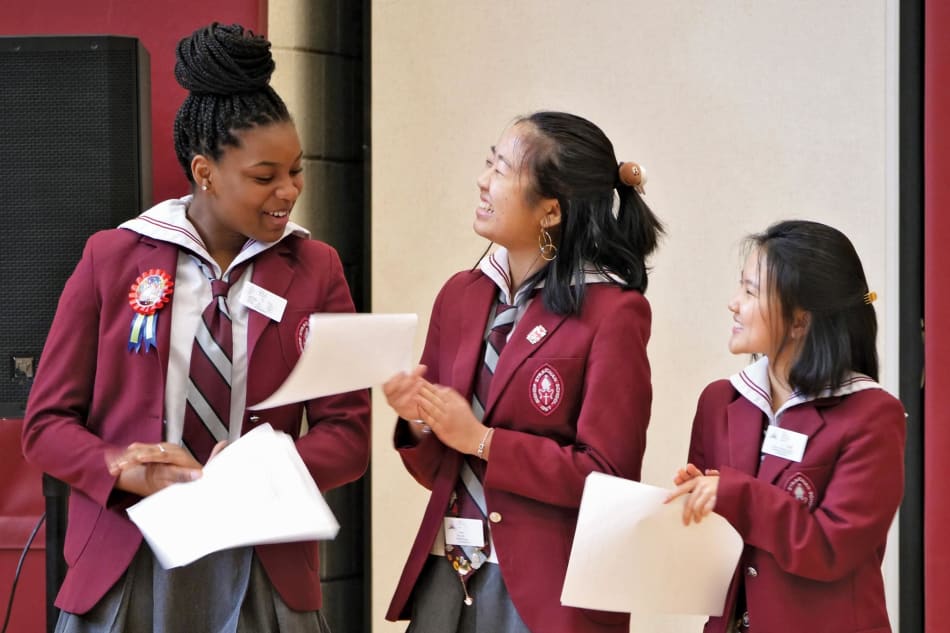
The Bishop Strachan School (BSS) is buzzing with excitement as the first week of September unfolds. “Our new students are settling in beautifully, and our returning students are thrilled to be back,” says Brendan Lea, Principal of the Middle and Senior School. It’s an especially busy time of year, yet life at this all-girls independent school in Toronto’s Forest Hill neighbourhood is always marked by a steady rhythm of activity and engagement.
Although much has changed since the school’s inception in 1867, BSS’s commitment to helping each girl understand who she is, discover her place in the world, gain independence, develop leadership skills, and find her voice among a multitude of voices has remained constant. It’s a tall order, but throughout its century and a half of history, the school has consistently risen to the challenge.
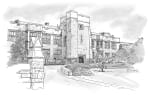
The Junior, Middle, and Senior schools are all housed within one building, which from the front, conjures long-standing tradition and from the back, appears to be cutting-edge modern. “BSS has a rich history, dating back to the same year the Dominion of Canada was created,” says Deputy Head, Meagan Enticknap. “That history is something we embrace, at the same time that we embrace change. It’s about valuing what has gone before, while also looking ahead to the future. I strongly feel this at BSS, which I think is a really unique aspect of the school—over 150 years of history in educating girls, and knowing that history is there and respected, while also being committed to innovation and the future.”
There’s no doubt the world has changed since BSS was founded. The professions open to women today are broader and more diverse than those available even 50 years ago, let alone a century ago. Post-secondary opportunities have multiplied as well, and access for girls has expanded dramatically. Yet in many ways, the challenges girls face are greater than ever, and they are preparing to enter a fast-paced, demanding world upon graduation. BSS has always sought to address these changes and challenges while keeping focus on what never changes: the need for girls to have the confidence to raise their voices, use their talents, and step boldly into opportunities with resilience and strength.
The school’s list of alumnae includes many who have made a positive impact on Canadian life. One of them, social activist and author Emily Murphy, depicted in a monument on Parliament Hill, has appeared on the $50 bill and is officially recognized as a Person of National Historic Significance. Others have defined aspects of the local and national discourse, including television host and journalist Valerie Pringle ‘71, pioneering computer scientist Beatrice Worsley ‘39, and Academy Award nominee Emily Kassie ‘10.
Many alumnae maintain an active role in student life, driven by an appreciation of what BSS can do and a desire to continue taking part in it. Some speak at career events while others bring students into the professional environments they work within, including business and university settings. Opportunities like these give BSS students the confidence to engage with the world beyond the school, imagine the impact they’ll have, and carry themselves with a level of polish and purpose that stands out even in highly competitive environments.
The work students are doing within the classrooms and beyond would probably surprise and impress even BSS’s original founders. Certainly, rocket launch exercises and other STEM achievements weren’t on their radar, but the idea of getting up, speaking out, and taking a place at the table certainly was. Anne Thomson, principal of the school in the 1870s, once addressed the students saying: “Remember girls, you are not going home to be selfish butterflies of fashion. The Bishop Strachan School has been endeavouring to fit you to become useful and courageous women. I believe you will yet see our universities open to women. Work out your freedom, girls! Knowledge is now no more a fountain seal’d; drink deep!” If she were able to visit today, Thomson would see that her directive is very much in evidence.
The program’s ability to stretch students’ interests into areas they may not have considered is one of the main reasons families chose the school a century ago—and why they continue to do so today. “I really appreciated that BSS could support my interest in doing OAC biology as well as advanced placement writers’ craft,” says alumna Jennifer Lee ‘01. “That I could really get the whole breadth of my interests and that faculty supported my diversity of interests.” She says their advice to her was “don’t feel pressure to build skills in your undergrad that are going to be applicable to finding a job. Continue learning to think about the world, to write, and to analyze. Those are the skills that will carry you forward. Do the things that you like, think broadly about the world, learn to be analytical—the rest of it will come.” It certainly has for Lee, and she attributes that directly to her time at BSS.
Key words for The Bishop Strachan School: Leadership. Challenge. Possibility.
Basics
The Bishop Strachan School is an independent day and boarding school for girls in midtown Toronto, renowned for its progressive and rigorous education. The school encompasses a Junior School (JK to Grade 6) and a Middle and Senior School (Grades 7 to 12), offering a continuous learning journey designed to inspire and challenge students at every stage.
Entry years include JK, Grades 1, 6, 7 and 9 for day students, with occasional spots coming available in other grades. And boarders join the school in Grades 8, 9, 10, and 11. With a population of 970 girls each year, the school is on the larger side, but the feel is definitely that of a smaller institution. The atmosphere is personal and close-knit, and students are known to the faculty.
Access and inclusion are top priorities. “At a recent opening chapel, we focused on ethical citizenship and the attributes that make someone an ethical citizen,” explains Brendan Lea, Principal, Middle and Senior School. “Whether it’s making room at your lunch table, opening a spot in a study group for one more student, or learning how to truly listen to and understand perspectives different from your own, our main focus is ensuring our school remains inclusive and safe for all students.”
Part of its inclusion mandate is the robust financial assistance program that’s unique to BSS. Financial support begins as early as Grade 6 and extends beyond tuition to cover uniforms, school supplies, participation in global trips, and access to summer academies—ensuring students can fully engage in all areas of school life.
Partnership with families is another defining feature of the BSS community. Parents are seen as true partners in their children’s education, and their involvement is highly valued. BSS families are deeply invested in the student experience, and their contributions through volunteering, participating in events, and engaging with the school help elevate the community as a whole. “The school community really extends beyond the students and faculty and includes all of our families,” says Racquel Brown, Vice Principal of the Junior School. “I’m always amazed by how much families are not just supportive of their own children but of each other as well.” Strong, transparent relationships and open communication form the foundation of these partnerships, keeping everyone aligned around the shared goal of providing the best possible student experience.
When asked about the “ideal” student, Hilary Adamson, Executive Director, Enrollment Management, emphasizes individuality. “We value diversity of thought, background, interests, and experiences,” she says. “We want students to feel comfortable in their own skin, eager to find their voice, and willing to try new things.” While applicants are assessed on academics, including report cards and math and literacy assessments, they’re also evaluated for their enthusiasm and desire to engage in school life. Girls typically arrive with a healthy curiosity and are able to take pleasure in learning. While it’s understood that everyone grows and learns at a different rate, the work is challenging and the level is high. Girls who thrive in collaborative environments will be most successful at BSS.
The school has 12 houses named after prominent people within the school’s history, and every student is assigned to one: Pyper, Acres, Dupont, Grier, Griffith, Lamont, Langtry, Macnaughton, Marling, Nation, Rosseter, and Walsh. The houses provide a sense of belonging and serve as the basis for in-school competitions and spirit events. Less obvious, but equally important, houses provide a frontline for the school’s wellness programs.
Background
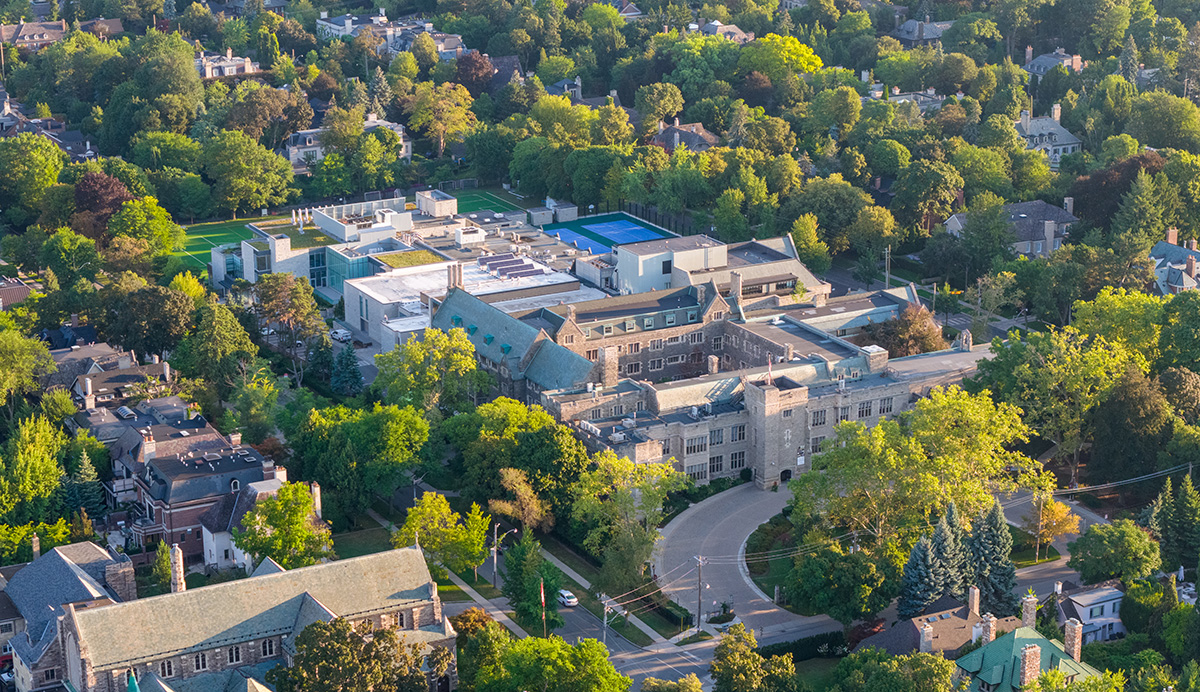
Recognized as Canada’s oldest independent and boarding school for girls from JK to Grade 12, BSS was founded in 1867, the same year as Confederation, by Reverend John Langtry. His original intention was to provide a quality, Anglican education for his four daughters. The mandate, as outlined in the school’s first prospectus, was to provide a first-class education with an “emphasis on subjects that would develop understanding, strengthen the judgement, and refine the taste.” The school was open to all, with the one proviso that the students were willing to conform to its regulations.
When you pull up to the school, the first thing you may notice is the façade. Completed in 1913 by the architects behind Hart House, College Park, and the Royal York Hotel, it was inspired by the great independent schools of the UK, including Eton, Harrow, and Winchester. Set back from the street in one of Toronto’s leafiest and most desirable neighbourhoods, it immediately conveys a powerful sense of tradition.
On opening, BSS became the first Anglican girls’ school in Toronto and one of the first in the Commonwealth. From day one, it was charting new territory in education and in national culture. Compared to boys’ schools of the time, girls’ schools were created to prepare their students for a very different set of roles, including those within private and philanthropic life, and within the caring professions, such as nursing and teaching. The BSS prospectus noted that the program was created to educate women with an eye to “the serious duties of life as members or heads of families.”
The reality is that BSS did considerably more for its students than that, and it played a larger role in Canadian life as well. It quickly became an example of forward thinking, particularly in terms of women’s rights. It’s not a quirk of fate that Emily Murphy was educated here. She went on to become an indefatigable activist, the first female judge in the British Empire, and one of The Famous Five who helped bring the Persons Case forward, allowing women to participate more fully in government. It was during her time in BSS that she found both her voice and her audience.
Beginning with Anne Thomson, who became principal in 1872, the school was led by a series of forthright women who had lived at the boundaries of social and intellectual life, an experience that they brought to their role as educators. Thomson’s views were revolutionary for the time, and they found a welcome home at BSS. She and those who followed would define the life of the school as challenging and progressive, a place where girls and women would continue to work out their freedom and “drink deep,” just as Thomson hoped they might.
After becoming principal in 1899, Helen Acres instituted a program of physical education and inaugurated a sports day, both of which included sports that were considered “unladylike” at the time: cricket, basketball, and ice hockey. That resonated beyond the walls of the school—it was a conspicuous political move—but most importantly, it resonated with the students themselves. They were being encouraged, if quietly, not simply to accept the status quo, but rather to become leaders effecting real change in the world.
In 1911, Harriet Walsh became the first headmistress at BSS, and she strenuously continued the work of those who had come before. She began by travelling to schools in England and the U.S. in order to find strategies and techniques to modernize the school’s curriculum. Back at the school, she instituted a program of financial assistance, the first of its kind in Canada, offering bursaries and scholarships in order to broaden the student base. She wanted students who were academically able and who could add social and academic diversity to the student body, the kind that could really benefit from what the school had to offer. She wanted to create a community with a reputation of achievement, not privilege. During her tenure, the school sent more students to university than ever before.
It was through that kind of leadership that girls’ schools departed most significantly from what was happening elsewhere. While all-boys schools could be brutal in the pursuit of conformity, the girls’ institutions were quietly empowering girls to do more and to demand more of society as well as themselves. The women who taught here were modern and accomplished, and they imparted the values of education. They led by example, providing a window onto a world of possibility. Though times have changed, the dedication at BSS to increasing opportunities for women continues—most recently in the areas of science and technology—all while empowering them to trust their instincts. “This place provided such a sense of security that it helped launch me,” says journalist and alumna Valerie Pringle. “I couldn’t have been in a better place in those years in my life.”
School culture
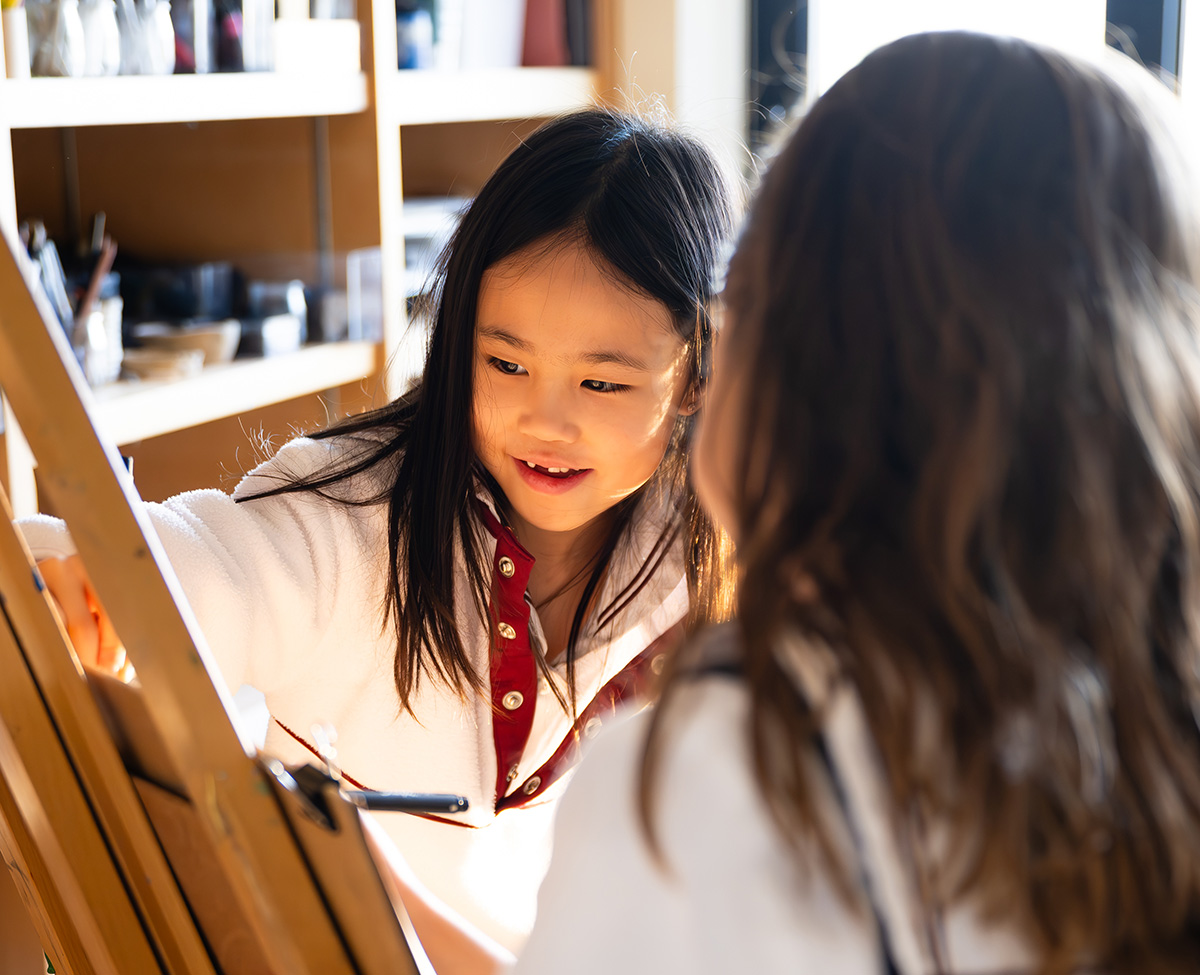
“We try to create a culture where the students can do and be anything,” Enticknap explains. “There’s not one pathway when you join BSS, but many pathways and many opportunities.” Prior to joining BSS as Deputy Head in 2024, Enticknap acquired a diverse range of experience as a teacher, Director of Learning, Lead Educator, and Deputy Head of the Middle and Senior School at Ottawa’s Elmwood School. Prior to that, among other things, she spent three years as Director of Learning at the United Nations International School in Hanoi, Vietnam.
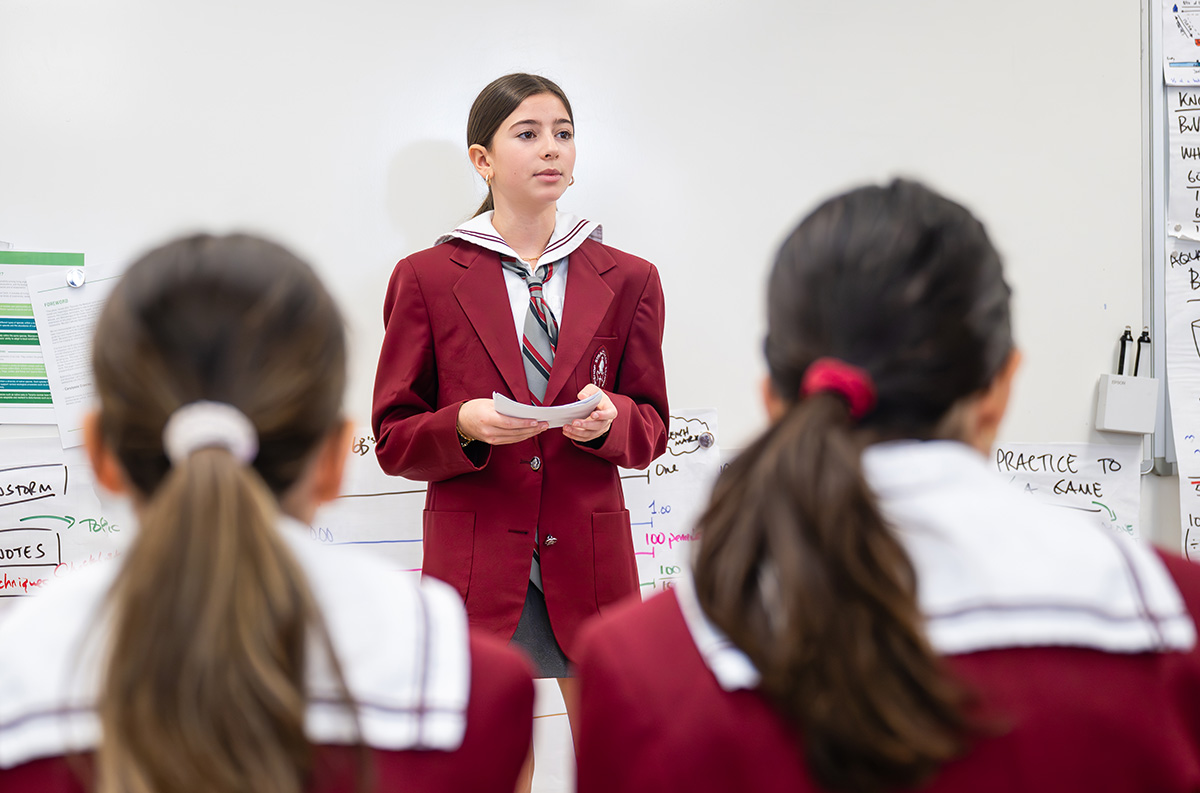
Dr. Kristen Clarke, Dean of Teaching and Learning, adds that leadership development is woven through every part of the student experience. “We can outline where leadership is in our curricular program,” she says. “We also have a parallel understanding of what that looks like in our co-curricular program through our arts and our athletics.” Students have opportunities to lead through classroom discussions, DECA, Model UN, and prefect roles, with a clear focus on developing skills like communication and critical thinking. All of these experiences are intentionally designed to cultivate the traits outlined in the Signature of a BSS Girl—grit, leadership, global perspective, and a strong sense of self.
What truly helps students grow, both academically and personally, is having adults around them who care, who encourage them, who push them to do their best, and who are there when they need help. Clarke emphasizes that this culture of empowerment and advocacy depends on a strong teaching culture. “Faculty engage in collaborative inquiries that are learner-centred and grounded in research,” she says.
BSS also has a fulsome well-being team to nurture the whole student. “We call this the circle of care,” says Enticknap. That includes academic counsellors, learning specialists, well-being counsellors, psychologists and a health team. All of these resources provide the scaffolding for an encouraging, dynamic, engaging learning environment.
The BSS leadership believes that students thrive when they are challenged by teachers they trust. This reciprocal relationship between a student’s openness to being pushed and a teacher’s responsibility to earn that trust is central to the educational philosophy at BSS. High school is seen not simply as a stepping stone to university, but as a formative period of exploration, growth, and self-discovery.
The program is intentionally designed to offer more than academic preparation; it supports students in finding their place in the world before they arrive at their next destination. The school culture reflects a careful balance between academic excellence and genuine care. Leadership challenges the common assumption that a nurturing environment compromises academic rigour, emphasizing instead that the strength of BSS lies precisely in combining a caring community with a commitment to intellectual achievement.
Where the divisions between programs were once stark—the music room was once on one floor, and the art and science labs on others—all are now intentionally in close proximity to allow for significant, regular cross-curricular interaction. “You’re not confined to a little box,” says one student, “but can see how your work connects with other things.”
“We create a strong community of learning,” says Clarke. “In addition to formal structures, we have many informal moments. Our community dining room is a great example—faculty sit together, and amazing conversations, solutions, and possibilities emerge. That’s a special aspect of the collaborative nature of our faculty. In a busy school like BSS, the need for teacher flexibility and adaptability is constant. This past year, with increases in athletic and arts programming, more students were out of class. Seeing how our teachers collaborate to support those students, so they can be artists and athletes and still achieve academic excellence, is really a testament to their dedication.”
Academics
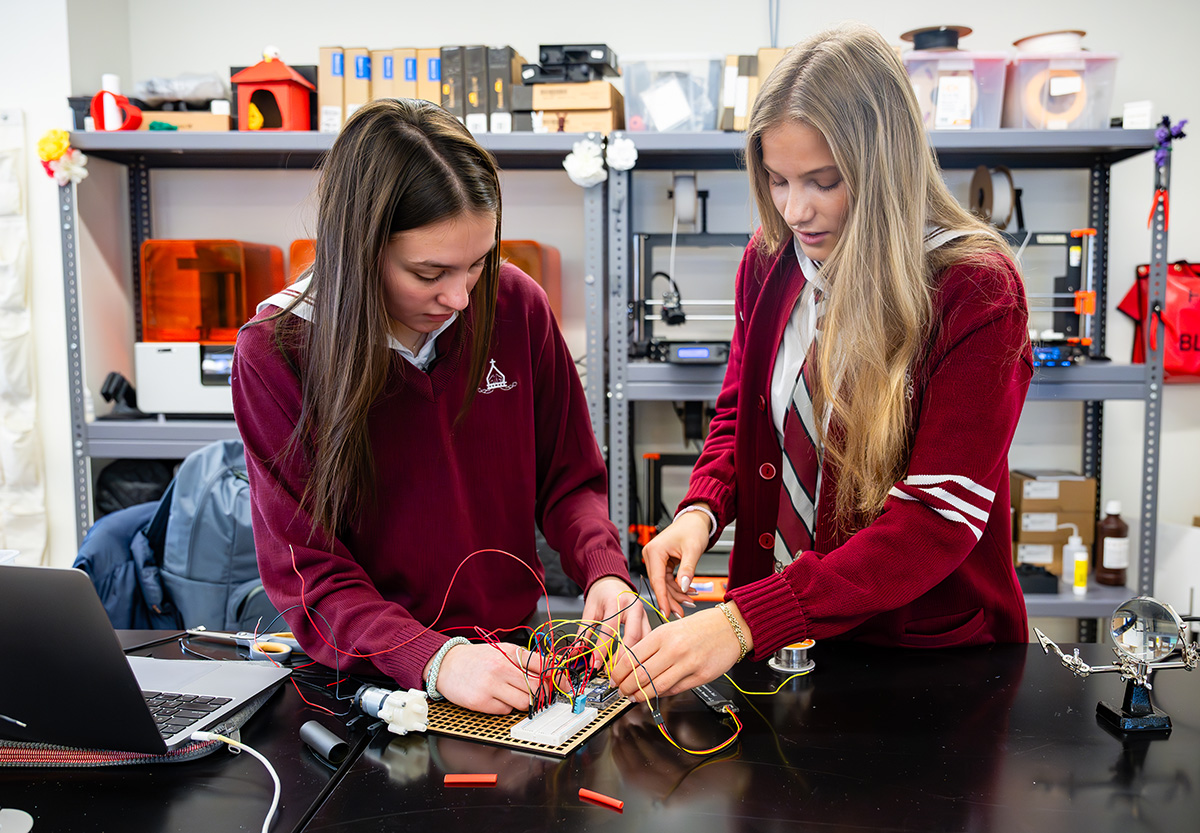
All of the recent developments in the BSS physical building and its academic program have been intentional, reflecting a desire to create a learning experience that is progressive, collaborative, and prepares students for post-secondary studies and beyond. The school often uses the term “well-rounded” to describe the student experience, though faculty are quick to qualify it. At BSS, well-rounded means a student is scientifically and mathematically literate, reads well, works effectively with others, and can discern nuance in the media.
Educating girls and, as such, creating an academic environment that is geared toward the way girls learn best, is of utmost importance here. “The way we take the Ontario curriculum and elevate it with breadth and depth, but also complement it with an awareness of what it’s like to be a girl and how they learn best, is what makes us unique,” says Clarke.
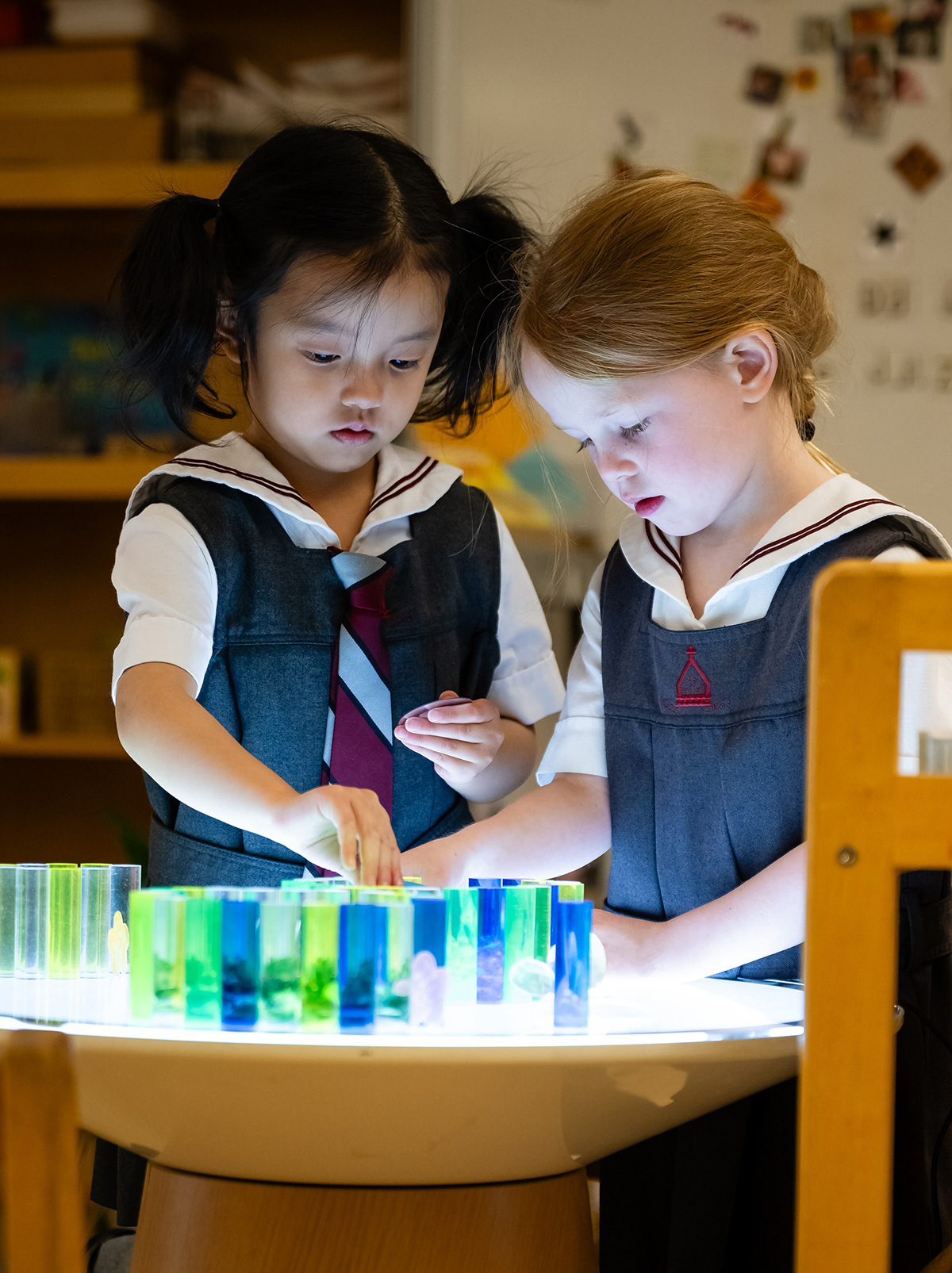
One of the approaches to teaching and learning in the Junior School is the Reggio Emilia philosophy, aligned with the inquiry-based culture of BSS. It was adopted because it complements current trends in education and the workplace. “Relationships within the classroom and the wider community matter, and students learn from neighbours and the local environment,” says Lynda Watters, Junior School Principal. Classrooms are designed for flexibility, with opportunities for both independent and collaborative work. Teachers use guiding questions and adjust to student inquiry while ensuring content continues to build and engagement stays high.
Learning in the Junior School happens across spaces like the Design Technology Lab and the arts studio, where authentic opportunities can spark lasting interests. “There is a commitment to field trips and to bringing learning outside the classroom,” Watters says. “Guest speakers are also invited to support learning and make it more dynamic.”
In the Middle and Senior Schools, the rigorous academic program is responsive to 21st-century demands. There is an equal emphasis on both classic and contemporary areas of academic interest, such as coding and financial literacy. The latter is introduced in Grade 10 and culminates in, among other things, a Grade 12 financial securities course, addressing not only personal finance but also world markets, securities, and their geopolitical impact.
Throughout BSS, there is a deliberate effort to ensure that real-world applications are embedded in learning from the outset. This includes inviting alternate perspectives and finding creative ways to connect the curriculum with authentic experiences.
In English courses, students read traditional texts alongside contemporary ones. Jane Austen may be paired with Jeanette Winterson, for example, with students asked to isolate the female voice in each and consider how they differ and resonate. This encourages them to move beyond surface reactions and instead build arguments grounded in textual evidence, while considering historical, social, and cultural contexts in meaningful ways.
The school’s methods and learning environments are designed to foster critical thinking, encouraging students to “argue well” in the best sense of the phrase. “We want our students to have active agency—to know how to use their voice, or to find their voice, in projects and activities,” says Lea. At BSS, student voice is actively promoted and celebrated, even when it means challenging the norm. Faculty are forward-looking, eager to innovate, and committed to adapting to the needs of today.
“I do think the standard and the expectations are higher at BSS,” says parent Liz Pullos, comparing it to a private school her children attended in Australia. “They sent home a reading list … issues to do with feminism, self-awareness, gender identity, and everything on the list covered those topics, which I don’t think would have been foregrounded elsewhere. I’m really delighted with the school covering those topics, as well as growing an awareness of community responsibility.”
“It’s constantly changing from when I started here,” says Rita Gravina, Director of Global Learning. “But one of the things that has stayed the same is this idea of an inquiry-based approach. That’s been the constant. Having the students dig in deep, having them engage in real-life learning. Having students go out and understand where we’re at today and trace it back to our own roots.”
The values of reciprocity, transparency, collaboration, and knowledge-building align closely with the employability skills highlighted by the Conference Board of Canada, including teamwork, effective communication, and critical thinking across contexts. At every level, the approach is to begin with the student, building on their interests and aptitudes. Students are not treated as empty vessels to be filled with predetermined knowledge, but as individuals with their own views, ideas, experiences, and passions.
From their very first days, BSS students embrace academic challenges, guided by expert faculty and peers who inspire them to think deeply and grow confidently. All courses are developed based on the Ontario provincial curriculum and often grow considerably from that point. “We start with the Ontario expectations as the foundation, and we enrich and supercharge the delivery,” says Lea. There is a consistent emphasis on interdisciplinary connections, often supported by experts and experiences beyond the classroom. “Some of our courses are more traditional, with essays and pen-and-paper testing,” Lea adds. “But we also have a world of activities, assessments, and evaluations that extend far beyond that.”
While the delivery of the curriculum is often described as “inquiry-based,” Lea notes that the term can be oversimplified. “There are many pedagogies that align with inquiry-based learning,” he explains. “It isn’t all day, every day, with students endlessly searching for answers they may or may not find.” Instead, BSS holds to the belief that no single method should dominate. Teaching approaches are selected to fit both the material and the needs of the students.
In math, problem-based learning is emphasized, with students solving questions connected to real-world applications. Ultimately, teachers know what the students need to learn, and while there might be periods of time where activities are more open-ended—driven either by student questions or questions posed by the instructor—they are balanced by a clear structure and program of assessment.
The school’s approach—both academic and social and emotional— appears to resonate strongly with BSS parents. “I’m moved to tears on a regular basis by what they’re teaching our girls,” says parent Michelle Pollock. “After only two months, we met with her teacher, and she already knew our daughter better than teachers had after three years at her previous school.”
The Senior School offers more than 100 courses. All mandatory subjects, such as English and Math, are taught at the university preparatory level. “The enrichment provided through higher-level Advanced Placement courses is great for students seeking more challenging opportunities,” Lea says. The AP program includes 14 courses, offering deeper exploration through independent projects and inquiry. “For example, our Chemistry legacy project has students research an issue of personal interest—such as the safety of paints used in children’s toys—and then share recommendations with manufacturers,” Lea explains. “About eight years ago, BSS became one of the first schools in Canada to offer the AP Capstone Diploma, which includes a Grade 11 research methods course, a 5,000-word extended study in Grade 12.”
The learning environment
“BSS’s teaching philosophy is deeply informed by research on girls’ education,” explains Clarke. “We strive to create classroom environments where students communicate, collaborate, and construct meaning together. These settings encourage them to take risks, find their voice, and push back when necessary—all while feeling safe and supported.” The school is especially attentive to challenges girls often face, such as perfectionism and fear of failure. “We enrich the curriculum with an understanding of what it means to be a girl in today’s society.”
Professional learning is also central at BSS, ensuring staff and faculty remain at the forefront of pedagogy, best practices, and emerging research. The school invests significantly in professional development and fosters a culture of learning together.
Some teachers work across more than one division, usually in specialty areas, though most are dedicated to a single school. Interactions among faculty are frequent and collaborative. Within each division, teachers rotate between grades every three to four years to keep teaching fresh, model adaptability, and deepen understanding of scope and sequencing across grades. Stepping out of one’s comfort zone is seen as healthy—and when teachers embrace it, they encourage their students to do the same.
Leadership opportunities for students are plentiful and well supported. Because all students are housed in one building, older girls often work with younger ones, especially around special events or activities. “Last year our Grade 12s worked with our Grade 1s to write poetry together, creating beautiful work,” says Watters, who joined the Junior School in 2023 from the Toronto District School Board. “The younger students benefit so much from having the older girls as role models.”
As in many independent schools, leadership is a central theme, though staff at BSS emphasize that it isn’t limited to standing at the front of the room. The goal is to help students discover what matters to them and provide opportunities to translate those interests into leadership. Leadership is seen as a continuum of involvement, not simply being the loudest voice or the first to take charge.
Students themselves recognize the nuance. “I don’t want to be a leader through academics or the things I know,” said one student. “Rather, more through the attitude I give off. I want to be a leader who inspires other people to be positive and kind. It’s more about the character traits—they’re the most important.”
Teachers, too, model leadership in their practice. “Rather than just giving us instructions,” said a student of a favourite teacher, “she walks us through the process and shows us how to succeed.” For classmates nodding in agreement, the distinction is meaningful. It confirms what faculty often stress: learning is reciprocal, and students feel involved in the process. “She’s really supportive, but you have to stay on task.”
Faculty collaborate closely on scope and sequencing to ensure the Junior, Middle, and Senior Schools function as a consistent whole. This includes attention to both academics and the social-emotional transitions between divisions. Teachers hold transition meetings at the end of each year, developing long-term relationships with students and families that support success.
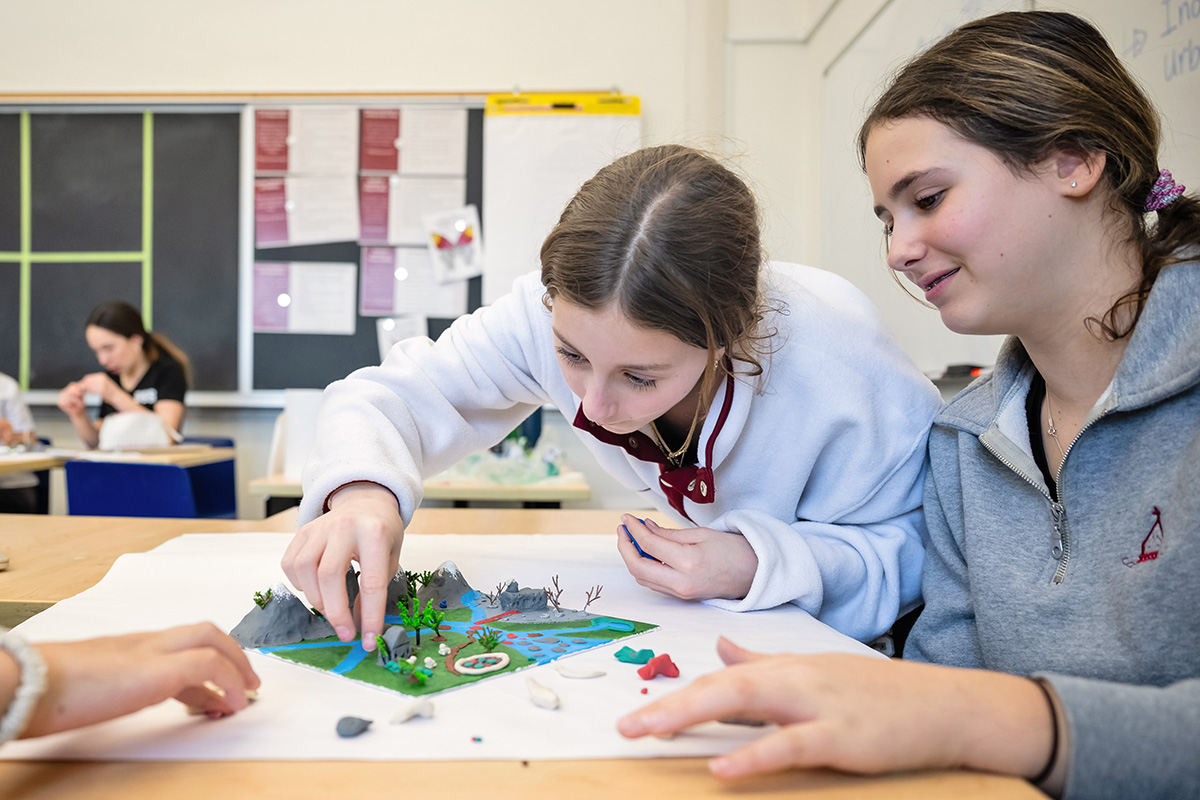
The Middle School program lays the groundwork for the upper grades, including strong connections to real-world learning. A recent project, “Legacy,” had students working with archival documents to research and present aspects of the school’s political and social history. The intention was to learn about the past while also learning about the limits of the sources themselves and the process of historical investigation. The project culminated in a two-hour immersive play, with girls interpreting moments in BSS history at stations throughout the school while the audience moved through the space.
Students engaged with original sources—photos, letters, yearbooks, even handwritten dance cards—bringing the past vividly to life. They developed skills in writing, interpretation, and presentation while exploring the idea of legacy—personal, national, and institutional. They asked how the school reflected or challenged norms in its time, and how their own experiences compare to those of earlier students.
This Legacy project is a strong example of inquiry-based learning, and emblematic of what BSS does particularly well: presenting big ideas in age-appropriate ways, with time for students to explore deeply and meaningfully.
An Interdisciplinary Approach
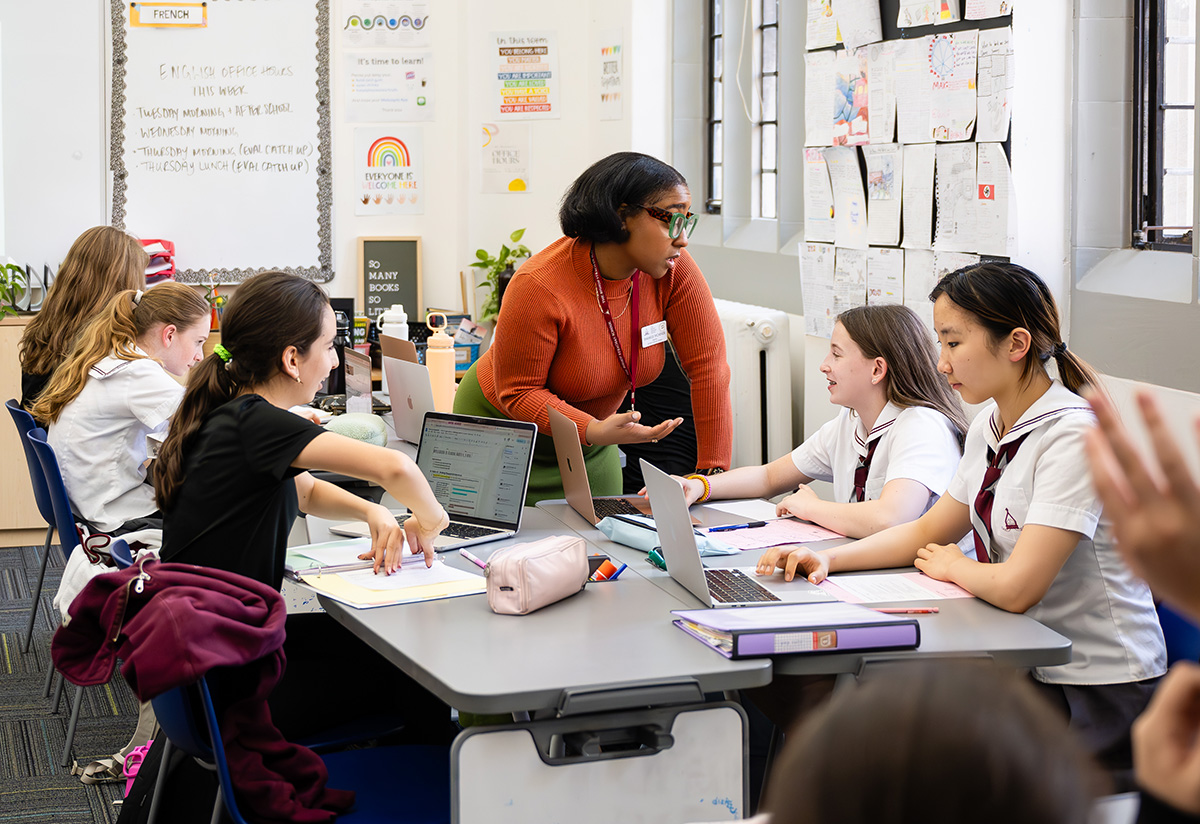
At BSS, learning is intentionally designed to cut across subject boundaries. Faculty encourage students to see how ideas in one discipline connect to those in another, helping them build a more holistic and relevant understanding of the world.
“There are a lot of connections that can be made between disciplines,” says Gravina, who has led Global Learning since 2020. “Even though they’re very distinct disciplines, I think the students are seeing how different courses connect with others. So they see that this might be a science issue, but it’s also a justice issue, and it’s also an equity issue. Being able to see the connections is another whole piece that I think the students benefit from.”
Andrew McLeod, Senior School biology and chemistry teacher and head of the science department, agrees. “What can risk becoming overwhelming is when information feels disparate,” he says. “That’s why we’re committed to fostering interconnectedness. Eighty percent of our biology students also take chemistry, so we can directly connect thermochemistry concepts to respiration in biology. Many students in gender studies also take Grade 11 biology, and within that course, we look at the science of sex versus the social aspect of gender. Over the past few years, we’ve created crossovers with the gender studies classes to highlight and build on that connectedness. It gives students a sense of continuity and helps them build connections between seemingly disparate concepts.”
The physical spaces within the school add to the diversity of the students’ academic experience—from a university-style lecture hall, to Harkness rooms and cross-disciplinary labs. Classrooms include whiteboards and smartboards on the surrounding walls. iPads and laptops are used from Grade 5 up. Some classrooms still have old-style blackboards, not just because they haven’t been removed, but also because both teachers and students appreciate the flexibility they bring to the range of interactive displays. “They’re just a really good complement,” says one student, “and we usually have access to both.” There are study spaces throughout the building, from the Learning Commons to less formalized spaces. “You can usually find me hiding in a corner somewhere, just getting work done,” says a student. “There are tons of little nooks, so if you want to isolate yourself, you can, but there are lots of collaborative spaces as well.”
Facilities
When asked where to take a visitor with time to see only one space, a member of the student recruiting team chooses the Design Technology Lab. “Because it’s not only about design or tech,” they explained. “It’s where girls might take a geometry lesson on the creation of a snowflake, then use a 3D printer to bring that formula to life, and finally, through biology and science, investigate how a snowflake absorbs bacteria and pollution. That’s what I would show you.”
The school opened its STEM Wing in 2017 to highlight its commitment to interdisciplinary learning and design thinking. With state-of-the-art design tech spaces, science labs, and collaborative areas, the space marked a new chapter in BSS’s academic focus. The wing features nine Idea Labs and dedicated design technology spaces in both the Junior and Senior Schools, complemented by a Makers Space in the Middle School. Students bring ideas to life with tools such as 3D printers, laser cutters, and a ShopBot, while the living wall integrates sustainability into the learning environment. These facilities encourage inquiry and experimentation, making learning fun and engaging.
The concept draws inspiration from Jonas Salk, who described his vision at the Salk Institute as a “crucible of creativity” and believed that “most of the exciting work in science occurs at the boundaries between disciplines.” His goal was to create an environment where scientists could explore the wider implications of their discoveries for humanity. The STEM wing brings this philosophy to life at BSS, where disciplines intersect naturally and students gain the skills they will carry into post-secondary studies and professional life.
Since its inception, the number of graduates pursuing STEM programs at the post-secondary level has risen significantly, with students earning scholarships and demonstrating growing interests in those fields.
While BSS is divided into three divisions or ‘schools,’ all students are housed within one building on a 7.5-acre campus. The geography of the school is a lesson in the efficient use of space. The campus is large for the neighbourhood that it sits within, though it isn’t sprawling. There’s a surprising amount of green space and a welcome amount of elbow room.
The campus features thoughtfully designed outdoor environments that extend learning and recreation beyond the classroom. Junior School students benefit from their own playground and field, while all students enjoy the Head’s Quad, Learning Gardens, and Emma’s Garden. Together, these spaces offer space for play, reflection, sustainability projects, and community gatherings.
Another more recent addition to the campus, which underscores BSS’s ongoing commitment to learning beyond the classroom, is the turf field, completed in 2023. This state-of-the-art facility expands opportunities in sport, fitness, and physical programming, ensuring students have access to the highest-quality resources to support their growth and success. The school was the first girls’ school in Ontario to install a turf field, and in the winter months, it is partially transformed into an outdoor ice rink.
“During COVID-19, three Grade 6 students proposed the idea of building this outdoor skating rink,” explains Adamson. This was a time when gathering students and keeping them active outdoors in winter was particularly difficult. “They developed the business plan and presented it to the principal, Head of School, and the Board. Once approved, the Advancement team raised the funds for the project.” Today, the rink is a beloved community resource, used from December through March by boarders, phys-ed classes, and sports teams.
BSS offers outstanding athletic facilities designed to inspire a lifelong love of sport and fitness. A swimming pool, two full-sized double gymnasiums, and an indoor rock-climbing wall provide further opportunities for training and recreation. The fitness centre is fully equipped with treadmills, elliptical trainers, stationary bikes, free weights, a squat rack, and other strength and conditioning equipment, while dedicated yoga and dance studios allow students to explore wellness and performance. Tennis courts round out the athletic offerings, giving students access to a wide range of physical activities year-round.
Academic life is supported by modern facilities that encourage research, collaboration, and dialogue. The learning commons/library serves as a hub for inquiry, while a lecture hall, think tank, and collaboration commons provide spaces for both independent study and group projects. Community life flourishes in spaces such as the chapel, student centre, boarders’ dining hall, and the hub—places that bring students together to share, reflect, and grow as part of a vibrant community.
Student life
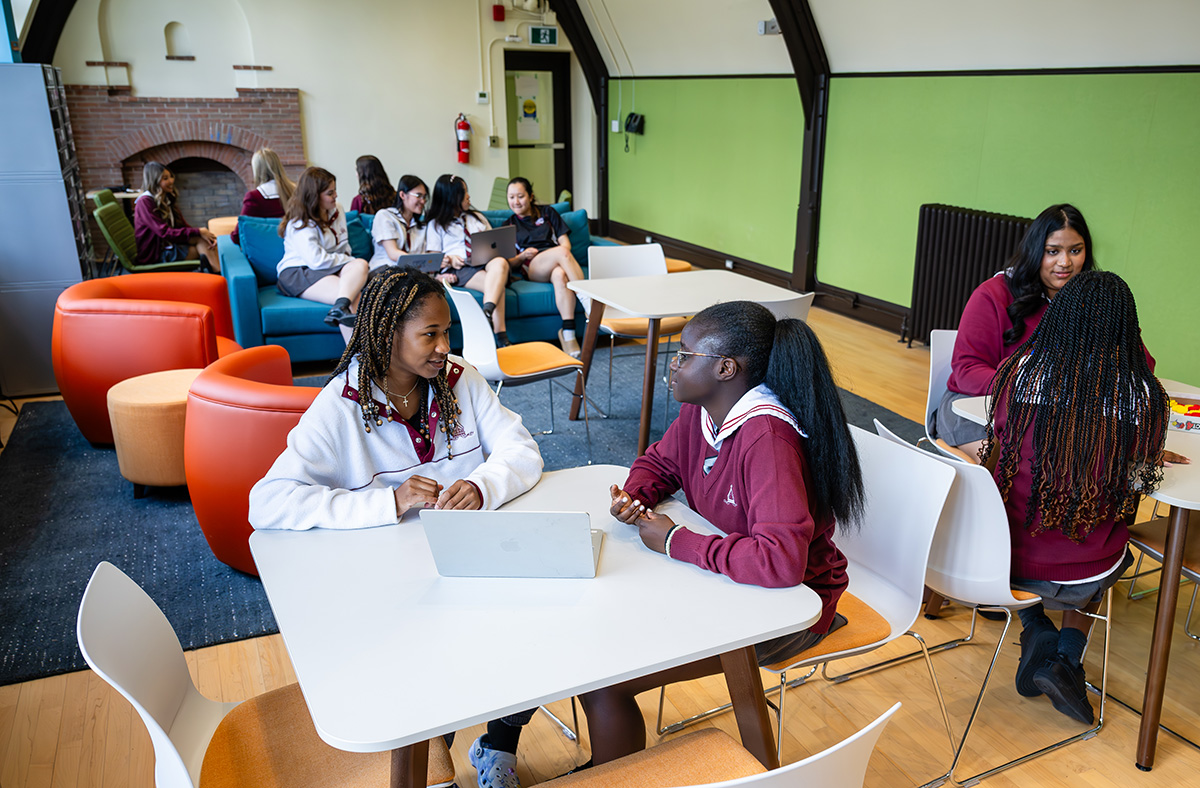
The chapel is an important part of the school culture, and it’s as beautiful as it is formal. The same is perhaps true of the uniforms, particularly the ties, Oxfords, and jackets of the number one dress. Members of the graduating class wear white jackets that include black piping. All of it can seem impressively old school, yet once you get past the initial gestalt, the girls are clearly comfortable in the setting and the clothes.
“It’s a very comfortable space,” says a student of the chapel, and the sentiment is clearly shared. When asked about the carving and motto on the altar—In Cruce Vinco (“In the cross I conquer”)—our guide is quick to note that she’s not personally observant. The fact that she says that so readily is illustrative of the place of religion in the school: it’s part of the story, but not central to it. And, in any case, all are welcome, and feel welcome. “I feel like everyone here just wants to help each other,” says one of the student guides.
Chapel offers quiet and reflective time and is more secular than many would expect, and it provides a cornerstone of the school community. Says alumna Lee: “When we sang hymns, or when the Christmas trees went up in the chapel, everyone loved it because it was a symbol of our community, rather than overtly celebrating one choice over the other. It was about community above and beyond anything else, and everyone felt comfortable within our community.”
Chapel and assemblies are held by division, with Junior, Middle, and Senior Schools gathering separately. The school chaplain, Mother Claire, plays an important role in the community and maintains an open-door policy for any student seeking her counsel.
BSS students are very attuned to issues of social justice, and that interest is developed through courses that focus on gender studies and women’s rights. That sense of the culture, for some, augments a sense of comfort. They see this as a different kind of space, one that is both more understanding and more forgiving than others they have moved through in their lives.
This emphasis on connection and personal growth extends to the school’s outdoor education program, part of which is encouraging student participation in the Duke of Edinburgh’s International Award. Additional trips are organized throughout the school year, using outdoor and camp experiences to nurture peer bonding and personal growth. Although destinations and activities may change from year to year, there are annual trips to Point Pelee National Park and Temagami.
Balance and support are central to the academic program. Advisory helps students manage workloads, while wellbeing councils, student success staff, and counsellors monitor progress and provide support. Learning resources and services are available to students who need them. This includes working with students who pursue high-level commitments outside of school, such as athletics or dance, to ensure effective communication and planning that supports their academic goals. A school psychologist is also available for additional support.
Boarding
Since its founding in 1867, BSS has offered boarding, a tradition that remains central to its reputation. Boarders come to BSS from across Canada and around the globe, bringing a diversity of perspectives and backgrounds. Housing about 70 boarders each year, the program provides a family-like atmosphere where older students look after younger ones and peer mentorship thrives. Boarding begins in Grade 8, with additional entry points in Grades 9, 10, and 11.
Boarders enjoy a wide range of weekend activities, from outings with other girls’ schools to trips to escape rooms, cultural events, baseball games, and afternoons exploring Toronto. The school’s central location offers easy access to the city while remaining in a safe neighbourhood just five minutes from the subway. The program also nurtures independence, giving students space to balance freedom with responsibility in a supportive environment. Recent updates to the facilities—including a new common area with seating, books, and a TV—provide spaces for study, relaxation, and connection. Students describe the residence as home-like, where they can even spend the day in slippers if they choose.
Each boarder is assigned to a “family,” a group of 15 to 20 girls spanning all grades. Six families form a house, and houses compete throughout the year in activities ranging from fitness challenges to spirit events. Both students and alumnae point to these traditions as powerful drivers of connection, accountability, and shared experience.
Athletics and art
Athletics and arts at BSS are intentionally tied to the school’s broader vision of leadership development and form a key part of the “Signature of a BSS Girl.” Athletics are designed not only to support physical fitness but also to cultivate confidence, resilience, teamwork, and grit. The sense of trust, support, and friendship among athletes runs deep and provides the security and acceptance girls need to be their best.
The athletic program is both broad and competitive. Teams participate in the Ontario Federation of School Athletic Associations (OFSAA), the Conference of Independent Schools of Ontario Athletic Association (CISAA), and Canadian Accredited Independent Schools (CAIS). With 21 sports and more than 70 teams, programming begins in Grade 1 and extends through Grade 12. In the Junior School, the focus is on skill development and broad participation, with athletic festivals and inter-school events. In Grades 7 and 8, students can join competitive teams with tryouts while still sampling new sports. In high school, Division 1 and 2 teams offer different levels of competition. Many students play multiple seasons each year, some advancing to CIS, OFSAA, or pursuing club-level sport. Athletics at BSS are seen as central to learning, identity, and healthy peer relationships.
All programs, whether recreational or competitive, are designed with students’ developmental needs in mind. Physical skills and fitness matter, but so does the idea that a healthy body supports a healthy mind. Not every BSS girl aspires to be an elite athlete, but every BSS girl is encouraged to engage in physical activity and benefit from it.
“Coaching is another central area of focus,” says Adamson. “Many coaches are faculty members, giving students consistency and trusted adult relationships, especially in the Junior and Middle Schools. Where advanced expertise is needed, we bring in external coaches. Often, there are two—an expert and a faculty member who provides continuity and support. We are committed to having the best coaches in every sport and division, and to strengthening faculty coaching through professional learning opportunities.”
The culture balances challenge with fun. During a tour, one class of girls was spotted grimacing through a five-minute wall sit outside the fitness centre—yet once finished, they broke into laughter. The moment was a clear example of the school’s philosophy that hard work and enjoyment can go hand in hand.
Facilities also reflect BSS’s commitment to holistic development. A major upgrade in 2023 added a turf field, which has enhanced co-curricular opportunities and elevated the gym and fitness spaces. “With the new turf field, we’ve been able to enhance our co-curriculars, athletics, and opportunities for girls to engage in sports,” says Enticknap. These improvements support the school’s goal of maintaining best-in-class facilities that serve all aspects of student growth.
In addition to the Grade 9 phys-ed requirement, all students must take an extra year of physical activity. “Everyone has a place here; everyone is good at something,” says a student. “We each get to find out how to be our best selves, which doesn’t mean having to be the best. I’ve learned so much about getting along with others, moving past personal discomfort, and building friendships for life. That’s what BSS athletics means to me.”
Staff note that the all-girls environment strengthens the athletics program. Without the pressure of being on display, students feel freer to push themselves, even when they are not the best at a sport. Coaches emphasize participation and accessibility, with a mission to counter the typical drop-off in girls’ sports often seen between Grades 7 and 9.
The extensive arts programs at BSS similarly offer students spaces for technical training, connection, personal growth, and self-expression. Programs span drama, music, visual arts, and media arts, enriched through courses and co-curricular activities. Students can join ensembles, bands, and choir; present their work in visual arts shows like Intersection; or take part in plays and musicals. “Students not only perform on stage, but they also lead the productions,” says Director of Marketing and Communications, Emily Rabe. “They build the sets, design the lighting, and produce the costumes, all with teacher guidance.”
“I really appreciated the wide variety of opportunities in the arts at BSS,” says alumna Tiffany Lee ‘11. “I’m a very creative person, and music became a big part of my life.” Engaging with the arts provides students with a platform to connect based on shared interests. “Music became a universal language that helped me integrate, as it allowed me to connect with others despite cultural and language barriers,” she continues. Many students and alumnae share her view, describing the arts as one of the defining aspects of their BSS experience.
Beyond athletics and the arts, BSS is home to over 100 clubs, including Model UN, DECA, comic book design, investing, knitting, debating, and rocketry. Students can launch new clubs with a proposal, and leadership opportunities abound across houses, councils, and prefect roles.
The rocketry club, founded in 2022, is a strong example of STEM in action. Its mission is to design and launch rockets while “breaking barriers and inspiring the next generation of young women in STEM.” Adamson notes the club’s highlight so far: competing in Launch Canada, a university-level competition in Northern Ontario. “They were the first all-girls high school rocketry club to compete at that event, and they did so well that they even made the news,” she says.
Across all co-curriculars—athletics, arts, and clubs—the philosophy remains consistent: to give girls the chance to try new things, build confidence, and develop as leaders in their own unique ways.
Support and guidance
“Without all the opportunities in arts and humanities, I would have gone and been an accountant,” says a Grade 12 student, only half-joking. “It really opened my eyes.” She recalls that when she arrived at BSS, she wasn’t inclined toward the sciences. “It’s definitely something I didn’t see myself doing. But then I realized how much passion I had for it. The teachers really pushed me and helped me understand this was something I could do.”
Post-secondary planning begins early and continues throughout high school. “In Grade 9, I was given a guidance counsellor, Ms. Wong,” says Spencer, a graduating student. “She knew right from the start what I wanted to do. We created a plan for my courses, my volunteer hours, and what I needed to prepare for applications. In Grade 10, we take a careers course alongside civics. We do personality tests, explore career options, research schools, and complete a project on where we see ourselves going and why. It definitely gets you thinking early, so you know what direction you want to take.”
Each year, BSS hosts a number of career breakfasts, where alumnae return to share their paths and experiences. Sessions are organized by field—engineering, arts, sciences, and more—so students can connect with areas of interest.
Spencer ultimately chose a U.S. university with a tier-one scientific research facility that allowed her to serve as a student emergency medical technician (EMT), as well as one that emphasized liberal arts. “I am required to take courses that aren’t part of my neuroscience major,” she says. For those electives, she has chosen music, musical theatre, and music production. She credits BSS with sparking those wider interests and giving her the confidence to pursue them.
This kind of outcome is the result of a carefully structured program of care that combines mentorship, career and academic counselling, and emotional support. All students have access to academic, social, and post-secondary counselling, as well as study skills development through the Learning Centre, staffed by full-time learning resource counsellors. Each girl is assigned a guidance counsellor and also takes part in TAG (Teacher Advisory Group), meeting weekly for half an hour. “You might have a topic, say, around study skills at exam time,” says Laura Poce, Vice Principal, Student Success, “but it might also just be a check-in, a way to find out how each student is doing.”
Opportunities to connect are built into the day. From 10:00 to 10:30 a.m., students gather for community time—whether in chapel, TAG, house meetings, clubs, or with their guidance counsellor. “Sometimes it’s just free time,” Poce notes. “And that’s okay. If that’s what they need, then that’s what they need.” The Chaplain also offers support to any student who seeks it, regardless of faith, and the chapel itself provides quiet space amid busy schedules.
Each division also has a dedicated school psychologist. They see students as needed, but also work with teachers and families as part of the broader circle of care. “Our offices are as confidential as they can be in a school,” says Poce. “We tell the girls that part of their care is their parents. There are small things we don’t need to share—like a conflict with a friend—but if there are concerns with academics, or signs of anxiety, we absolutely involve parents.”
The school also places a focus on supporting families themselves, especially during the teen years. “It’s a pretty intense time to be a teenager, and a pretty intense time to be a parent,” Poce says. Parent evenings address both social and emotional issues, with psychologists and guest speakers from organizations like the Pine River Institute speaking on topics such as addiction. Other sessions are lighter, offering resources and conversations that help parents navigate this stage alongside their children.
Getting in
At BSS, the admissions process is designed to consider the whole child—not just academics, but personal strengths, challenges, and potential. While some independent schools focus narrowly on achievement, reducing applicants to grades on a transcript, BSS takes a broader view. The goal is to recognize each student’s accomplishments alongside the obstacles they may face, and to create opportunities for growth in every area—academic, social, and personal—so that each girl can reach her full potential.
Students are most successful entering the school at designated intake years—JK, Grades 1, 6, 7, and 9, with a smaller intake at Grade 4—when new classes are formed. Occasionally, spaces open in other grades. Retention is high, with many students who begin in JK remaining through graduation.
Parents consistently commend the admissions process. A visit to the school is strongly encouraged, not only to learn about programs, but to experience firsthand the warmth of the administration, who are known for making every family feel welcome.
Money matters
Tuition at BSS is comparable to other independent schools both locally and nationally. “We believe that cost shouldn’t be a barrier to an outstanding education, and financial assistance is a cornerstone of our commitment to inclusivity and accessibility,” says Enticknap.
Each year, BSS provides over $2 million in financial assistance—the most of any girls’ school in Canada—ensuring that more girls can discover themselves at BSS and go on to do great things. Financial assistance is offered to students entering Grades 6 through 12, supporting families who need extra help with tuition and program costs. In addition, BSS has a list of merit-based scholarships that recognize and reward students who demonstrate exceptional academic, artistic, or athletic achievement. Today, 10% of BSS students receive some form of financial assistance.
Takeaway
The Bishop Strachan School has a long and distinguished history of excellence, consistently providing leadership in education. Its mission is to give girls confidence in their skills and abilities, and to ensure their voices are heard in what can sometimes be a noisy world. The school promotes the concept that girls need not choose between either arts or sciences, but can find their own ways of excelling in both, based on the development of creative thinking, effective communication, and ethical leadership. The school places a strong focus on STEM, an area where female representation remains limited.
Faculty value diversity of thought and see it as their responsibility to help students think in different ways. Learning often extends beyond school walls, with students engaging meaningfully with people, ideas, and cultures in the wider community. As one parent put it, “Our experience with the school has been that they are teaching the girls that they are part of a larger community, and that there’s a lot of opportunity to do good.”
The school’s philosophy recognizes the complexity of the modern world and the need for equally complex skills: independent thought, cooperation, and empathy. Coding is important, but so is the ability to write well, speak with clarity, and appreciate the elegance of a well-crafted argument. Students discover that their interests are both shared and celebrated. “There’s very little pressure to conform at a girls’ school,” says an alumna. “Being unique and having deep interests is what’s considered cool.”
Academics at BSS have long set a standard that other schools seek to emulate. Yet there is also an emphasis on balance—on treating education as a journey rather than a race, with time to look around as well as ahead. Graduates leave with the skills, outlook, and confidence to take on the world. And they do.