1
2
3
Amy Sky
Singer-songwriter
Camp Tamakwa
Carolyn Bennett
Member of Parliament
Camp Shawanaga
Cedar Swan
The Star-Gazing Adventurer
YMCA Camp Pine Crest, YWCA Camp Tapawingo
Chin Injeti
The Soulful Musician
Blue Mountain Kids' Camps
David Marshak
The Environment-Inspired Artist
Camp White Pine
Erin Shields
The Resilient Playwright
Glen Bernard Camp
Frank Sesno
The Challenge-Driven Correspondent
Camp Wonposet, Cheley Colorado Camps
Gavin Horner
The Honourable Investigator
Camp Wabikon
Hamish van der Ven
The Spiritual Learner
Evans Lake Summer Camp
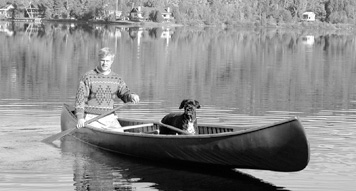
James Raffan
The Paddling Historian
Camp Kandalore
Jerry Linenger
The Green Space Explorer
Camp Tamakwa
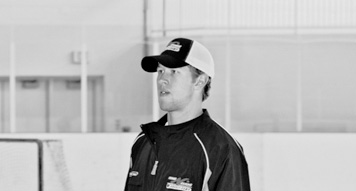
Josh Bailey
The Passionate Hockey Prodigy
Roger Neilson's Hockey Camp
Justice Jane Kelly
The Tenacious Judge
Camp Tanamakoon
Kirk Sloane
The Bridge-Building Lawyer
Camp Kawabi, Camp Otterdale (son)
Lisa Loeb
The Nonconformist Musician
Camp Champions
Marc Beique
The Life Learning Doctor
Camp Nominingue
Marc Kielburger
Social Activist
Olympia Sports Camp
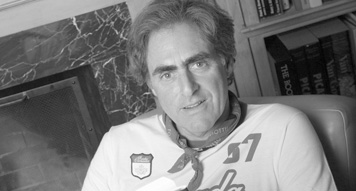
Michael Budman
Co-founder of Roots
Camp Tamakwa
Seth Godin
The Trail-blazing Entrepreneur
Camp Arowhon
Sharon Hampson
The Fun-Loving Entertainer
Camp Kinderland
Steve Paikin
The Hard-Hitting Journalist
Camp Mazinaw, Camp Wahanowin, Camp Kandalore
Tanya Springer
The Gutsy Globetrotter
Camp Couchiching, Camp Wenonah
Veronika Bauer
Champion Freestyle Skier
Pleasant Bay Camp
X
The Hard-Hitting Journalist
Steve Paikin — Camp Mazinaw, Camp Wahanowin, Camp Kandalore
Steve Paikin is a Canadian journalist, author, and host of TVO’s The Agenda with Steve Paikin.

Q.Why did you go to camp?
A.Both of my parents had gone to summer camp as well. My father as a camper and counsellor . . . so, as an all-boys' camp, that was a natural place for my brother and me to go as well. Plus, the summer camp experience is, I believe, a wonderful, essential Ontario experience and I'm so glad I did it, and so have all my kids.

Q.How has camp affected your career success and personality today?
A.I have no idea. But suffice to say, attending Camp Mazinaw was one of the most important influences in my life and helped make me the person I am today, for better or for worse.

Q. What is your favourite memory from camp?
A. Impossible to answer - at least, impossible to give one answer. Seeing the majesty of Bon Echo Rock on Mazinaw Lake, jumping off Cases' Point, a 12-foot mini-cliff and a rite of passage (took me an entire summer before I got the guts to do that, finally, on my last day at camp), learning to build a fire, pitch a tent, do the J-stroke, portage a canoe, shoot rapids, etc. And let's not forget falling in love with one of the kitchen girls!


Q. Why is summer camp important?
A. So many reasons. Getting outdoors, in the bush, particularly if you live in an inner city, is essential to becoming a better person. It's an essential building block in allowing children to become more independent. And let's not forget the obvious: it's good for parents as well to have some time on their own, knowing their kids are thriving in a spectacular environment.

Q. What advice would you give parents who are afraid to send their kids to summer camp?
A. Get over it. It's not about you. It's about your kids. And if you pick the camp that is the best fit for your children, you'll never regret it. Yes, you miss your kids while they're away. But mine have all benefited significantly from the Ontario camping experience, which I believe, is unlike any other, anywhere in the world. I made friends at summer camp three and four decades ago who are still great friends of mine. The camp director at Mazinaw is still one of the most important mentors of my life. These relationships and experiences are not possible at school, at work, or at the gym. They're different. And the bond is extraordinary.

X
The Honourable Investigator
Gavin Horner — Camp Wabikon

After a session at summer camp, Gavin Horner came home and gave his father a pleasant surprise: a clean-cut hairstyle. It was a subconscious statement that he no longer needed his mullet, Kodiak boots and lumber jacket, and he was "happy with a more presentable appearance."

As a teen, he wasn't immune to the lures of mischief and dressing "like a thug." He admits it could have led him down a completely different path.

"Camping encouraged me to be on the right side of the law," says Horner, now a 43-year-old Toronto police detective. "(Camp) changed the way I grew up from that age onward."

Today the detective's job is to keep others, including teens who remind him of his rebellious younger self, on the straight and narrow. From the general patrol to investigative units, he says he gets fulfillment from doing genuine good for other people.

It has kept him going through 23 years of long hours and gruelling dedication. What helped are the years he spent at camp, where he learned the value of teamwork, physical exercise and a genuine sense of belonging. That's why his son has spent the past eight years at camp.

"(Camp) gave me and my son a better vision of how to interact with other people and treat them right," he says. "It's not just the environment. It's not just the outdoors and the location of the camp. It is the people and the spirit of those people."

X
The Environment-Inspired Artist
David Marshak — Camp White Pine

Driving down Toronto's College St. at sunset, David Marshak discovered a "hallelujah moment."

"The light would just be incredible--all these reflective surfaces lit up, and for a minute when you're in that moment, it doesn't really matter that you're in the city," says the 40-year-old landscape painter from the small town of Cannington, Ontario, recalling one of his frequent visits to the city. "You're just kind of in this little hallelujah moment."

While he was first inspired to depict nature's unpredictable and quaint beauty, he also helps people see life in a different perspective with an urban painting series, including scenes of downtown Toronto.

"It's a natural reaction to your own sense of aesthetics," says Marshak, during a session of mixing colours to make his oil paintings. "You paint what you find visually interesting."

Marshak's destiny was sealed at age 12 at arts camp when he was first exposed to like-minded people who shared his passion and where he created his first painting of the wilderness.

He was obsessed with drawing until he discovered painting at the Ontario College of Art. He went from spending eight hours on life paintings in his second year of college to making it his livelihood today, where he showcases his art in solo shows and with the artist's collective DRAWNONWARD, which he teamed up with during college.

He can't give an exact answer on why he paints, but he loves travelling and the fact that his office is at the edge of a lake or cliff and his paintbox is his briefcase.

"Every day that you paint outside you get more in tune with your environment, and your paintings get better every day," he says. "Communing with nature is not some weird hippie thing. It's just incredibly natural to us as humans."

X
The Spiritual Learner
Hamish van der Ven — Evans Lake Summer Camp

He experienced an "emotional and spiritual" connection unlike any other.

Surrounded by 450-year-old growth forest in Squamish, B.C., Hamish van der Ven was inspired to pursue a career in environmental policy as a way to help protect wild spaces for future generations. With plans to become a professor, he now studies and teaches political science, focusing on environmental politics, climate change policy, corporate sustainability and global governance.

"I look at my time at camp as kind of like the foundation and what provided the emotional core of what I do," says the 29-year-old Vancouver native, as he remembers when he had worked for seven years as an instructor who taught campers about the environment, or "eco-fun."

"All of that really stems out of the fact that I have a very deep personal connection to natural wild spaces, developing just a very close personal connection to the landscape that surrounded us.... I think it was really just feeling that connection to it and seeing the effect that being out there could have on campers when I was working as a staff member."

While schools try to instill knowledge and appreciation for the environment, the PhD student and teaching assistant at the University of Toronto says it's really hard to get a personal connection to nature unless you're there to experience that yourself. "I think there is something tremendously important about being in the physical environment of wild space," he says. "(Camp) can be a great place just to grow emotionally, spiritually and socially as well."

He believes those who are not nature-loving people should also give camp a shot. He tells the humorous tale of a frightened camper who started out not liking camp. As they were sleeping under the stars during an overnight hike, someone yelled, "Help! Help!" The scared camper woke them up to warn them about what he feared was a bear.

"It turns out the bear that we thought was growling out there was actually one of the campers who happened to have a deep rumbling snore," van der Ven laughs.

The once-scared camper grew to like camp so much he wanted to return the next year.

X
The Star-Gazing Adventurer
Cedar Swan — YMCA Camp Pine Crest, YWCA Camp Tapawingo

Drifting on a ship with its engines turned off, all you hear is the crackle and pop of icebergs thousands of years old.

In journeys to some of the world's remotest or eye-opening places, the quiet moments of reflection and appreciation of the natural world can be the most profound.

These are the kinds of experiences Cedar Swan hopes travellers take away from tours she leads around the world, from Canada's west and east coasts to the Arctic and Antarctic.

Swan, 30, is vice president of Adventure Canada, a Toronto-based tour company offering educational adventure trips onboard expedition ships, where travellers learn about geology, biology, arts, culture, anthropology and archaeology from experts - and see their lectures come alive in places such as Nunavut, the Galapagos Islands, Ecuador and the Scottish Isles.

With just her and a canoe, her special connection with nature began during the silent, star-gazing moments at camp.

"You have the chance to really appreciate the natural world around you and have those moments where you can just be by yourself and reflect and enjoy and take in what the area around you has to offer," says the Mississauga, Ontario resident. "(Camp) got me interested in the outdoors and got me connected to people who were of like mind."

As life tends to throw you in unexpected situations, it's important to be confident on your own outside of your comfort zone, which you can learn at camp, Swan says.

"Having the tools and the confidence to be yourself in those environments and situations is key I think to your success," she explains.

With the skills and confidence instilled at camp, Swan found a way to share her passion for nature with other adventurers through her job today, which she describes as being like a "summer camp for adults."

X
The Paddling Historian
James Raffan — Camp Kandalore

James Raffan describes himself as a cultural geographer, exploring the intricate connections linking Canada's winding rivers to the Canadian identity in the classroom, on the page, or in the great outdoors.

He has plenty of experience in all three areas as the former head of outdoor education at Queen's University, author and editor of 15 books, past chair of the Arctic Institute of North America, and international fellow of the Explorers Club. Now, as executive director of the Canadian Canoe Museum in Peterborough, Ontario, he puts his vessel of choice on display for the world.

"It's not an accident that canoes are still used broadly as an icon," says the 55-year-old. "What is it about a canoe? I think you're facing forward. You're going into the world. You don't need a track.... It doesn't matter who you are--a canoe is a profound symbol that really speaks to connecting the people who live here to the land."

To Raffan, a canoe can teach lifelong lessons that go beyond the brain--lessons that begin at summer camp.

"It's important to have knowledge of the heart," he explains. "How do you get that? Well, you learn through the soles of your feet, the palms of your hands, the seat of your pants. All that knowledge has to pass through your heart on the way to the head."

When you get to the edge of what you know and have to cross a threshold, real learning happens, he says.

"Camp is full of edges--whether its darkness, being away from home, strange food, living in a cabin with people you don't know, climbing rocks, paddling down rivers, doing tough portages," he says. "I think every camp can probably point to people who have become the best that they can be."

X
The Resilient Playwright
Erin Shields — Glen Bernard Camp

Erin Shields and her collaborators are aiming for perfection. Working on the final draft of the play, they run the scenes repeatedly until they feel satisfied.

"As an artist, you're always trying to make it better and better and better and better," says the 33-year-old playwright and actor from Toronto.

But the plays she performed at Glen Bernard Camp were not so rehearsed. With only two or three weeks to pull them together, camp shows were "fast and frenetic" but also helped Shields fall in love with the art form and learn the determination to get through the tough parts of the process.

"When I was 11, I sent home letters to my mom," she says. "At the end of everything that sounded negative I'd say, 'I'll live.' Like, 'there are holes in my cabin and the bugs keep biting me . . . but I'll live.' Camp makes for resilient kids."

Starting out as the "theatre kid" at camp, she eventually became head of the theatre program where her tenacity was really tested. Each summer she had to write five plays that cast 100 kids, stage rehearsals, make costumes and sets, and ensure everyone was having fun.

"It fostered both my technique as a play creator because I had to do so much of it, and second of all my passion for it," she says. "Going to camp was one of the pivotal moments for me in figuring out how theatre was completely right for me."

featured alumni videos
The Hard-Hitting Journalist
Steve Paikin
The Honourable Investigator
Gavin Horner
The Environment-Inspired Artist
David Marshak
The Spiritual Learner
Hamish van der Ven
The Star-Gazing Adventurer
Cedar Swan
The Paddling Historian
James Raffan
The Resilient Playwright
Erin Shields
X
The Green Space Explorer
Jerry Linenger — Camp Tamakwa

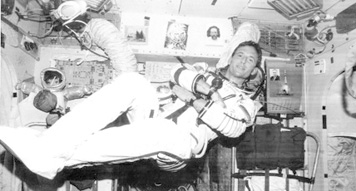
Jerry Linenger has seen and appreciated the Earth's beauty - literally from the ground and out of this world.

Portaging across Algonquin Park at Camp Tamakwa or camping out in the Sierra Nevada Mountains was an experience light years away from his days at the space station. But the former astronaut maintains that camp better prepared him to live outside his comfort zone.

"There are valleys and peaks in life - that experience was a peak," says Linenger, as he reminisces about his camp adventures.

Linenger, 55, is the ultimate example that the skills kids learn at camp extend to infinity and beyond. "You can be in a situation that no one has ever been in before, but you do draw upon your past and use your skills," he says.

For Linenger, this meant a five-hour spacewalk, travelling at some 29,000 kilometres per hour, spending nearly five months with two Russian-speaking cosmonauts in the Mir Space Station, and surviving the worst-ever fire on board an orbiting spacecraft.

From the space station, Linenger gained a new perspective on his time at camp as he witnessed the beauty of the Great Lakes from such a distance. Today, settled safely on terra firma in Michigan, he is a founding member of Circle of Blue, a nonprofit network of journalists and scientists studying the global freshwater crisis.

"When our kids go to camp, I want them to have the same experience we had 30 years ago," he says.

previous
next
X
The Passionate Hockey Prodigy
Josh Bailey — Roger Neilson's Hockey Camp

Not everyone is able to turn childhood passions into careers. Josh Bailey did just that. The 21-year-old Bowmanville, Ontario native was drafted into the NHL by the New York Islanders in 2007.

Skating since he was 2-1/2 and playing in a league by age four, Bailey says he was "born with a stick in [his] hand." Even from such a young age, he knew he wanted to play hockey for the rest of his life. From peewee teams to the Ontario minor hockey league, he focused endlessly until he reached his goal. Now his schedule is filled with six days a week of practice, game analysis, and physical exercise. "Being good isn't enough anymore," he says. "There is a lineup of guys who want your spot. You have to work harder to stay."

Before making it big, Bailey was just a kid playing the sport he loved. At Roger Neilson's Hockey Camp in Aurora, Ontario, his parents and grandparents would cheer from the stands as Bailey, his cousin and brother teamed up and usually won the championship trophy at the end. While seven summers at hockey camp helped him develop the technical skills he needs today, for Bailey, camp was about the fun of the game.

"I was learning a lot, but I was a lot more focused on having fun," he says. "We just went to have a good time, and it makes you love the game even more."

previous
next
X
The Adventurous Writer
Jane Taber — Camp Mi-A-Kon-Da

Jane Taber is senior political writer at The Globe and Mail and co-host of CTV's Question Period.

Q. What summer camp did you attend?
A.I attended Camp Mi-a-kon-da on lovely Lake Wah Wash Kesh. It was a magical place, a small island, full of Birch trees, on this fantastic lake just 30 minutes from Parry Sound.

To get there, you had to go by boat. And that was so much part of the experience, especially for a kid from Toronto.

It was part of my summer ritual. I went to Mi-a-kon-da first as a 12-year-old camper and went back for three more summers, until I was 15; the last two summers I stayed for seven weeks - for the month-long July session and the three-week August session.

Even getting to camp was fun. Our parents would drop us off at the parking lot of an apartment building near the Toronto airport and we’d wait for the big yellow school bus (no luxury coaches for us!!). It would take us all the way to camp - down the highway and then along that crazy, curvy dirt road to Auld’s Landing, where we’d catch the boat (during my years it was usually the “Hobo”, this crazy blue and white odd-shaped boat that Mrs. L, the camp owner/director, had purchased because it could hold a lot of luggage.) The Hobo wasn’t fast but it was reliable - proof of that was that 22 years later when my daughter was a camper at Mi-a-kon-da, the Hobo was still in operation!

Anyway, that boat that we took from Auld’s Landing transported me into another world - into a world of promise of adventure, fun, of friends and of laughter.

I loved every single minute of camp. It’s funny but I don’t remember the weather ever being that bad. There were a few rainy days but those days never stopped us from doing anything or having fun.

Q. Why did you go to camp?
A.My family did not have a cottage and although it was never discussed, I think my parents wanted my older sister and me to have that cottage/outdoor experience. My mother also wanted to teach us some independence and I think she believed that camp taught those sorts of skills.

Q. What is your favourite memory from camp?
A. I have so many favourite memories of camp. I loved the canoe trips - paddling away in our red canoes from camp for four or five days on an adventure. We’d always return wearing crowns on our heads that we made from vines that we found along the way. As we approached the island, we would start pounding our paddles on the gunnels of the canoe and singing as loud as we could the camp cheer. That’s how we signaled to everyone else that we had returned. We’d be dirty and full of mosquito bites from portaging the canoes through swamps but we’d be so happy. I have so many great memories of those trips.

I also loved the nights we sat around the camp fire. I can still transport myself back to that beach where we’d sit, watch the fire and sing camp songs. I can feel the dampness of the sand and smell the fire. My memories are that vivid.

I also loved this day we had called “Change-over” day. That’s when the counselors would cede their jobs to the senior campers for one day. One year I was head of swimming and another summer I was the COD or Counsellor on Duty for the day - the big boss. I loved the responsibility and being in charge. Loved it, loved, loved it.

Q. How has camp affected your personality and career success today?
A. I think camp made me more confident. Also, I was at an all-girls camp. I think that was helpful — we did what we wanted; we looked the way we wanted; nothing held us back.

Q. Why is summer camp important?
A. There are so many reasons why camp is important. My family moved around a lot. So camp for my sister and me was one of the few constants in our lives. We knew that in the summer we were going to Mi-a-kon-da and we’d see all our old friends, kids we hadn’t seen for the whole year. And we’d pick up where we left off the summer before; we never missed a beat. And that was before the Internet or email or Facebook. It was hard to keep up with friends. But camp friends are different friends.

Camp gave us, as I said before, another look at life. It gave us an appreciation for the outdoors; it gave us independence, responsibility and a respite from the city and city friends. Camp let us succeed.

It gave us a break from our parents and it gave our parents a break from us. It was a very, very healthy experience.

Both my children are campers. While I missed them when they were away, I was also so proud of them that they were away and enjoying something that didn’t involve me or their Dad. The experience I had a camp was my own experience, something that was just for me.

Q. What advice would you give parents that are afraid to send their kids to summer camp?
A. Advice. Hmm. I would say let your kids go; let them try it. My son, as I said, is a counselor now and he is well-trained at his camp to deal with kids who may be homesick or anxious. In most cases that anxiety lasts about a nanosecond - and then the kids are fine and having the times of their lives. So, do not worry about letting your kids go.

If possible, it’s nice to be able to go to camp with a sibling or a friend. While siblings wouldn’t be sharing a cabin, they are close enough if there are any issues about homesickness.

Camp provides a safe and healthy environment. It helps one grow up; camp builds confidence and independence. As well, camp friends are lifelong friends. Both our kids still have friends from camp - both our kids started at overnight camp when they were seven years old.

As you can see, I’m a fan! I loved camp. I highly recommend the summer residential camp experience.

previous
next
X
The Nonconformist Musician
Lisa Loeb — Camp Champions

Grammy-nominated singer-songwriter Lisa Loeb is the founder of the Camp Lisa Foundation, a non-profit organization that helps send underprivileged kids to summer camp.

Q. Why did you go to camp?
A. [My parents and I] all thought it was exciting to be away from home, travel to a place where I'd get to do all kinds of activities from crafts to swimming, sailing, talent shows, meet new kids, and have some independence. Also, I knew some other school friends who'd gone and they really loved it. 


Q. What is your favourite memory from camp?
A. I loved skit nights at camp. We'd make up little funny plays, sing songs, and sometimes I'd play guitar with the other girls from my cabin in front of the rest of the girls' camp. I also loved the feeling of just having done something challenging, like trying water skiing for the first time. I was so scared- the chilly water, the smell of the motor boat, the choppy waves, keeping my ski's pointed up until the boat started, and then to get up on the skis and even skip out to the smooth water outside of the wake, and glide across the lake- wow! What a great feeling. It didn't feel great to fall down, but I loved having accomplished something I wasn't sure I could do.


Q. How has camp affected your career success today?
A. Camp reinforced my ideas about how fun it is to meet new people and figure out how to relate to them, which I do all the time in my business. Also, at camp there were many opportunities to be creative and perform with my guitar - with others and also by myself, which I also do regularly in my business.

Q. How has it affected your personality?
A. Camp made me feel more confident in just being myself, even if I wasn't like everyone else all the time.

Q. Why is summer camp important?
A. Summer camp introduces kids to challenges, which strengthen their character, let's kids feel safe in an independent environment with different leaders and friends, but no parents. Summer camp often forces kids to be outside and even in the water a lot more than they might normally, and being outside makes you feel more connected to the earth and to people, instead of your computer and TV.

Q. What advice would you give parents that are afraid to send their kids to summer camp?
A. I would say to send your kids to day camp first, or send your kids to a place that you know is rated as a safe summer camp that has good recommendations from other friends. You need to let your kids experience something new so that they'll develop as a human. Also, it's been shown that kids who are involved in summer activities like summer camp actually do better in school after the summer, so worst case, it will positively affect the rest of their year. Also, you'll get a little free time to yourself to try new things during the summer, if you let your kids go for a few weeks!

previous
next
X
The Bridge-Building Lawyer
Kirk Sloane — Camp Kawabi, Camp Otterdale (son)

Kirk Sloane is a successful insurance lawyer, and believe him, he's heard all the jokes.

"People look at you and they've already made assumptions," explains the 51-yearold Oakville, Ontario resident. "What you do has a big impact on what people think of who you are - it's tiresome."

But not at camp. Through a decade of summers spent at camp, half as a camper and half as part of staff, Sloane had a group of friends from all walks of life. No matter their ethnicity, neighbourhood, hobbies, economic background or personal life, friendships developed free from preconceptions. It was here that Sloane developed the ability to relate to others for who they are, a skill that is invaluable when dealing with clients who are often sick, stressed and struggling to make ends meet.

"I can't think of an example when I wasn't able to break the ice by being who I am, not what I am," he says. "They can communicate with me. They're not intimidated by what I do."

An embracing camp community also gave Sloane the skills and compassion to sit on various local arts and environmental boards. Now he's witnessing the same benefits in his 18-year-old son Spencer, who is finding his own voice through playing the guitar for the kids at camp, something Sloane never would have imagined his shy son doing.

"That's because of camp," Sloane says. "You can truly be yourself and no one will judge you for it. It's a wonderful thing."

previous
next
X
The Life Learning Doctor
Marc Beique — Camp Nominingue

For Dr. Marc Beique, it's a matter of life and death. The 48-year-old Montreal resident has spent 20 years saving patients from the brink of death in the emergency departments of two hospitals in the city. Before he studied the intricacies of life at the University of Ottawa, advised the Ministry of Health about it, or taught it at the McGill University Health Centre, he learned about the meaning behind it at camp.

"The people stay with you - the campers I grew up with, the staff who took a daily interest in me," he says. "They showed me things beyond the technical lessons like tying a knot."

Beique was 10 years old when he first went to Camp Nominingue, an all-boys overnight camp just north of Montreal, to practice his English. He returned every summer for the next 12 years. As a camper, counsellor, canoe tripping director and camp doctor, he learned practical skills as well as flexibility, leadership and group work.

Ever the perfectionist as a teen, Beique's woodshop instructor even taught him to accept the imperfections, both on his canoe paddle and within himself.

"Looking back, I've done well over the years, but some of that is being forgiving of yourself," Beique says. "I use (that lesson) every day."

In the spirit of camp, Beique made sure that his own students in medical school not only understood how to save a life, but how to appreciate it too.

previous
next
X
The Fun-Loving Entertainer
Sharon Hampson — Camp Kinderland

Sharon Hampson is a children's entertainer famous for the wildly popular Canadian TV series, Sharon, Lois and Bram's Elephant Show.

Q.Why did you go to camp?
A.It was part of the community we lived in and everyone went to the camp.

Q. What is your favourite memory from camp?
A. I loved the friendships and I loved the singing. On the last day after the first summer of shooting the Elephant Show, I said it felt like a camp goodbye. There was sadness saying goodbye to people you liked and with whom you had shared a powerful experience.

Q. How had camp affected your career success today?
A. At camp I discovered the joy of people singing together and that, of course, is exactly a fundamental of my career.

Q. Why is summer camp important?
A. I believe camp provides an opportunity for kids to develop their independence, learn to problem-solve without their parents and build friendships. I don’t know that camp works for everyone, but when it does, it is great.

Q. What advice would you give parents that are afraid to send their kids to summer camp?
A. Have faith in your children and give them a chance to build their independence.

previous
next
X
The Tenacious Judge
Justice Jane Kelly — Camp Tanamakoon

Once part of Team Conrad Black, Jane Kelly knows a thing or two about tenacity, challenges and making tough decisions. Since defending the former media tycoon in his fraud trial, the 47-year-old Oshawa, Ontario native was appointed judge of the Superior Court of Justice of Ontario in 2008.

It's a challenge she welcomes, from handling wrongful dismissals and child custody cases to criminal charges.

But it was at Camp Tanamakoon when she really discovered she was more resilient than she ever thought. Just 13 at the time, she recalls her first canoe portage trip at the Ontario girls camp in Algonquin Park in 1975.

"I learned I could carry a 50-pound pack, that I could withstand torrential downpours," she says. "The greatest thing my parents did for me was sending me to camp."

Kelly spent another nine summers as a camper and counsellor. She credits camp for building the foundation of leadership skills that led her to where she is today. Now that her own daughter is joining the community, she's glad that after all these years, it's still the camp she remembers - where leadership, friendship and "good ol' fashion fun" reign supreme, where phones and computers are out of sight, and where a written letter from home can make a child's day.

"The traditions have continued, the cabins haven't changed," she says. "It's a wonderful thing in this day and age when you're so inundated (with technology) on a daily basis."

previous
next
X
The Trail-blazing Entrepreneur
Seth Godin — Camp Arowhon

Seth Godin is an entrepreneur, best-selling author of 12 books and called "America's Greatest Marketer" by American Way Magazine.

Q. What is your favourite memory from camp?
A. I loved being an instructor. I loved organizing the weirdest colour war (a game where teams are assigned a colour and compete against each other) in their history and sending every single kid in camp across the lake in a boat at the same time. . 250 people in canoes, windsurfers and sailboats. Everyone said it wouldn't work... Most of all, I loved teaching. I thought the ability to help someone change, to do something impossible - it was a privilege.

Q. How has camp affected your career success today?
A. Every day, I use more tools learned at camp than I do school. It enabled me to become a well-known public speaker, a teacher, a writer, an impresario. All the good things in my career are a direct descendant of what I did and learned [at camp].

Q. Why is summer camp important?
A. Camp does two things at once. It lets kids be kids, and it encourages them to solve interesting problems. The rest of life tends to be about becoming a compliant cog in the endless machine of industry. To do what you're told. What a waste.

Q. What advice would you give parents that are afraid to send their kids to summer camp?
A. Get over it, and fast. This is why you had kids. So they can become who they become, not so you could preserve them in a bottle.

previous
next
X
Social Activist
Marc Kielburger — Olympia Sports Camp

As a teen, Marc Kielburger was thrilled to spend part of every summer in the national rugby program at Olympia Sports Camp, a multisport facility near Huntsville. "Long days, lots of ice packs!" he recalls. "But waking up in the mornings and stepping out onto the grass to do those first laps, I was so cold and tired, but so happy to be there."

Rugby was only part of the experience. Kielburger's coaches and mentors-- many of whom have become lifelong friends--used the sport as a metaphor for leadership. "We learned that everybody on the team has an important role--I was inside centre--and unless you have a well-functioning team, you'll never get the ball," he says. "We applied that approach off the field, too. A lot of those concepts--teamwork, empathy, co-operation, mentorship--I learned at camp."

Kielburger went on to play rugby at Harvard University, where he graduated in international relations, then as a Rhodes scholar at the University of Oxford, where he earned a law degree. A social activist from a young age, Kielburger is the executive director of Free the Children, and co-founder with younger brother Craig of the social movement Me to We. He's co-authored several books, including The World Needs Your Kid: How to Raise Children Who Care and Contribute.

But Kielburger says that what he learned at camp has most stayed with him. "It wasn't about learning how to be a better rugby player," he says. "It was about learning how to be a better person."

previous
next
X
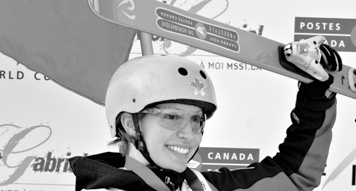
Champion Freestyle Skier
Veronika Bauer — Pleasant Bay Camp

Travelling with fellow members of Canada's national freestyle ski team in the lead-up to the 2010 Olympics, Veronika Bauer continually draws on three vital things she learned at camp--none of which has anything to do with skiing.

At Pleasant Bay Camp, a non-profit camp on the shores of Lake Ontario in Prince Edward County, Bauer learned at age 14 how to get along with a diverse group of people. "On a ski team, you need to get along with everyone because you're spending so much time with them--just like the girls in your cabin at camp," says Bauer.

Second, Bauer learned responsibility. "When you're at camp without your parents, you have to make sure you sign up for activities yourself and show up at the right place at the right time," she says. By her mid-teens, Bauer was training and competing around the world, and the independence gained at camp helped with solo situations such as getting through airports.

Bauer, a four-time national aerials champion, 2001 world champion and two-time Olympian, loved the easygoing, non-competitive spirit of camp. "I water skied, wakeboarded and played beach volleyball--it was so fun," she says. "I remember one night we all ate ice cream sundaes with no hands. And I loved the cabins with bunk beds! You brought your own sleeping bag and pillow--it was like a sleepover every night."

Still recovering from post-concussion syndrome after a bad fall last winter, Bauer hopes she'll be well enough to compete in the Olympics. Meanwhile, as she travels with the team, she's living out of a small suitcase--the third important thing she learned at camp. "I can put everything I need in one bag!" she says.

previous
next
X
Radio Host
Shelagh Rogers — Camp Tawingo

As a nine-year-old who couldn't ride a two-wheeler bike, Shelagh Rogers felt like a complete klutz--until she went to camp. Suddenly, at Muskoka's Camp Tawingo, she discovered she was comfortable in the water and fell in love with swimming. "That was a huge gift from Tawingo," says Rogers, who still does regular hour-long swims in the Pacific Ocean near her home in British Columbia.

Rogers, host of CBC Radio's The Next Chapter and former host of Sounds Like Canada and This Morning, also loved the singalongs. She thrilled to the collective noise of a bunch of kids shouting out the lyrics to Everywhere We Go or Junior Birdman. Her memory of camp songs put her in good stead as part of the Humline trio on the radio show Basic Black. "I can't remember my husband's birthday, but I can remember the words to all those songs," Rogers says, joyfully launching into a rendition of In a Cabin in a Wood.

Craft time appealed to her too. "You couldn't really goof up," she says. "I made a hideous bracelet out of red and blue cord--I couldn't follow the pattern at all--but there were always nice counsellors saying it was the most wonderful thing they'd ever seen."

Encouraged at camp to include everyone, even the shy kids, Rogers still makes an effort to approach people who come to gatherings alone--and to interview those people who might not otherwise get a voice.

previous
next
X
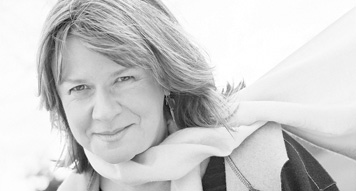
Member of Parliament
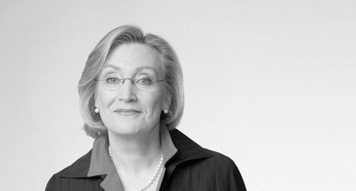
Carolyn Bennett — Camp Shawanaga

"Everything I needed to know, I learned at camp," says Dr. Carolyn Bennett, a Toronto MP who was Canada's minister of state for public health in the previous Liberal government. "From living together in a small space, I learned that what you do affects others, so your actions have consequences. From using composting toilets, I started to learn about environmental awareness. And I learned about governance--who makes the rules, and how to change rules that don't make sense."

From ages eight to 21, Bennett attended Camp Shawanaga, which is now closed, where the well-loved old cabins bore whimsical scribblings like "Champlain slept here." Bennett got her lifeguard certification and joined the staff, leading groups on canoe trips. "Being a camp counsellor requires some of the same job skills as being a family doctor," says Bennett. "You ask what's wrong, you listen, you carry first-aid kits and you deal with problems like constipation, diarrhea and ear infections."

In high school, Bennett realized that it was the kids who'd gone to camp who filled the leadership positions, such as student council. While doing pre-med, she noticed that camp alumni were often the only ones to join field hockey or ice hockey teams, even if they'd never played before. "Camp people were more likely to try something new just for fun, while others weren't inclined to participate unless they were excellent at it."

As a newly graduated family physician, Bennett went back to camp at age 26, this time as a camp doctor for a two-week stint at Glen Bernard, a girls' camp near Huntsville--and stayed for 17 summers.

Her mentors at camp have always been important to her: the person who gave the bridal toast at Bennett's wedding was Jean Hartman, the camp director from Shawanaga; the first person Bennett went to when she was forming a group to help save Toronto's Women's College Hospital was the camp director, Jocelyn Palm, from Glen Bernard. She says, "At camp I always met amazing people who made--and are still making--a difference."

previous
next
X
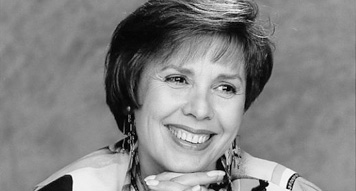
Singer-songwriter
Amy Sky — Camp Tamakwa

Amy Sky had never sung in public until her 15th summer when she was working at camp. She'd been studying classical cello, but when the staff and campers put on an evening of Gershwin, Sky had to step out of her comfort zone and step into the American songbook.

"In the warm and supportive environment of camp, I got a lot of positive feedback and it really built my confidence," says Sky, best known for her songs I Will Take Care of You and Love, Pain and the Whole Damn Thing. Sky has also written songs for Anne Murray, Olivia Newton-John and Sheena Easton. "Camp broadens your horizons, because you meet people from all over," says Sky. "And it increases your confidence, since you get positive feedback just for trying something new."

Sky had been hired as a teenage babysitter for the family of Paul Steinhauer, the noted child psychiatrist, who with his wife, Estelle, ran the legendary drama program at Camp Tamakwa in Algonquin Park. Sky participated in many of the elaborate full-scale productions and stage-managed one, The Pajama Game. After a staff talent show, an older counsellor, who was also a working musician, told her she was good enough to have a career in the music business. It was a life-changing moment for her. "That's the kind of mentorship and friendship you get at camp," says Sky, who would go on to win SOCAN awards for her songwriting and Juno nominations for her singing and songwriting.

During the seven years that her own daughter attended Tamakwa, Sky held annual songwriting sessions with campers. Working with cabin groups, she'd help the campers rewrite the lyrics to popular songs to reflect their own experience. "The girls wrote incredibly sentimental lyrics about how much they loved each other, and everybody would cry," she recalls.

previous
next
X
Co-founder of Roots
Michael Budman — Camp Tamakwa

"It's safe to say," says Roots clothing company co-founder Michael Budman, "that there might not be a Roots if there hadn't been Camp Tamakwa."

Growing up in Detroit, Michigan, Budman had attended some local camps, but at age 10 he was ready for the big-time--Camp Tamakwa, the 75-year-old Canadian-American camp set on the shores of Algonquin Park's South Tea Lake in northern Ontario. "It's one of the most beautiful campsites in the world--a magical place," says Budman. It's also where he and fellow camper Don Green became buddies and hatched their plan to open a shoe store in Toronto that eventually grew into an international clothing empire.

Budman loved everything about the camp. He loved the Slope, a unique set of stairs into the lake. He loved the canoe dock, where he worked for two summers as the canoe instructor. He loved the Blue Moons, special nights where counsellors would recreate fairy tales for the younger campers, such as Snow White and the Seven Dwarves, then the next day pretend nothing had happened. And he loved the way people dressed, in lumberjack shirts and rubber boots. Outdoorsy clothes such as hooded sweatshirts, sweatpants, and other athletic apparel, became the theme when Budman and Green became clothing entrepreneurs. Today, many Roots stores have a camp cabin feel with exposed wood beams, wooden fixtures, canoes and and wall-mounted canoe paddles.

Budman still spends summers in Algonquin Park. Kayaking last August, he saw three counsellors and six campers heading out on a nine-day canoe trip. "In this day and age of overprotected kids, that was an impressive sight," says Budman, whose two children, now grown, also attended Tamakwa. As did Green's three children.

No matter what a child's family situation--Budman came from a divorced home--camp is the great leveller, he says. "Without parents, homes, material possessions, camp allows opportunities for everybody to be equal."

previous
next
X
The Soulful Musician
Chin Injeti — Blue Mountain Kids' Camps

India-born Chin Injeti is an R&B musician, producer and DJ who was formerly part of the Juno Award-winning Canadian trio, Bass Is Base.

Q. Why did you go to camp?
A. My parents knew that camp would help me grow as a person.

Q. What is your favourite memory from camp?
A. Cute councillors. :) Good friends.

Q. How has camp affected your career success today?
A. It gave me a sense of proper leadership.

Q. How has it affected your personality?
A. It's molded me into who I am!!

Q. Why is summer camp important?
A. Summer camp is important because of the life lessons it offers.

Q. What advice would you give parents who are afraid to send their kids to summer camp?
A. Do it!!! Research !!! Don't hold your kids back.

previous
next
X
The Challenge-Driven Correspondent
Frank Sesno — Camp Wonposet, Cheley Colorado Camps

Frank Sesno is an Emmy Award-winning journalist with more than 25 years of experience, including 18 years at CNN, where he serves as a special correspondent. He is now a professor of media and public affairs at George Washington University.

Q. Why did you go to camp?
A: My mother was a big believer in summer camp. She had gone in her day. She believed they helped kids develop a sense of independence, lifelong friends and a deep appreciation for nature. She was right on all counts!

Q. What is your favourite memory from camp?
A. I have many "favourite" memories. The sound of the creek after lights out as I lay in bed, drifting off to sleep. The three-day horseback expeditions into Colorado's back country. The cold crisp air in the morning. The smell of the food making hungry kids even hungrier. The counsellors who were leaders, role models and big kids.

Q. How has camp affected your career success today?
A. I have a deeper appreciation of nature, the importance of the basics of life and the capacity we each have to excel. Through it all, however, is a sense of team and what can be accomplished when a group of people actually works together.

Q. How has it affected your personality?
A. I think camp has made me more independent and more persistent. I remember those long hikes, the mountains we climbed, the peaks we scaled. Sometimes it seemed like the march would go on forever. But when we reached the summit, it was all worth it. I guess that cycle of challenge and accomplishment are very much a part of my personality. It may have gotten its start during those long summer hikes.

Q. Why is summer camp important?
A. It builds a sense of self, of self-reliance and independence at a time when parents and social structures still play a dominant role. For those weeks away at camp, it's just you - no parental prodding and far fewer modern distractions. It's an ideal, once-in-a-lifetime opportunity to get to know self and others.

Q. What advice would you give parents who are afraid to send their kids to summer camp?
A. Let go. They'll be fine. Better than fine. They'll thrive. They'll discover themselves, explore new experiences, make friendships that, in some cases, will last a lifetime. All my kids went to camp and all of them are the better, deeper, happier for it.

previous
next
X
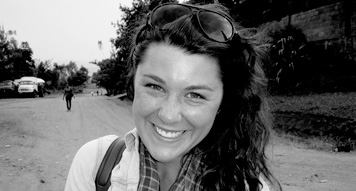
The Gutsy Globetrotter
Tanya Springer — Camp Couchiching, Camp Wenonah

Tanya Springer went from a shy child to a gutsy globetrotting journalist.

"My parents asked 'Where did this come from?' I'm sure it was camp that influenced me," says Springer, 26, a broadcast journalism master's student at Carleton University in Ottawa. Late last year, she travelled in India by herself for five weeks to produce a radio documentary about the lack of regulation in the surrogacy industry.

Springer was 10 years old when she first spent two weeks at Camp Couchiching, also known as "Camp Cooch," just 1.5 hours away from her home in Toronto. As "the best gift" she was given as a child, she says camp gave her the confidence to create her own dreams. Springer's dreams took her around the world. She chose to enrol in the competitive international development program at the University of Guelph so she could study for a semester in Jaipur, India. Last summer, she taught English to Rwandan youth and acted as an editorial mentor for The Blink Magazine in Rwanda.

After eight summers at Camp Couchiching as a camper, she worked as a counsellor there and at Camp Wenonah in Muskoka, Ontario for six years. In 2007, she was camp director at Shikoku Canadian Global Camp, modelled after Camp Wenonah, in Takamatsu, Japan. During a solo trip through South America in 2008, she didn't feel homesick. She felt campsick.

"(Camp) has defined my life--not only in moments or summers," she says. "No matter how far I go, it's right where I left it ... it really helps me take risks."

previous
next