
The 2026 OUR KIDS Private School Expo is coming to cities near you. Get your family pass


Find the right school for your gifted child.
Here’s OUR KIDS guide to schools and programs for gifted learners. Across Canada, families can explore a variety of approaches designed to challenge and inspire advanced students. Below, we provide an introductory discussion of gifted education in Canada, cover different kinds of gifted programs and support, the pros and cons of public vs. private programs, and how to choose the right option for your child. You'll also find a list of the top gifted schools and programs in Canada. This includes dedicated gifted schools, and schools with dedicated gifted classes, in-class accommodations that tailor learning within a regular classroom, and accelerated curricula that move at a faster pace. Click on a school profile to learn all about it and decide whether it’s the right fit for your child.
These nurturing environments encourage creative thinking, self-confidence, and academic engagement, offering students the challenge they deserve. Tuition typically aligns with private school standards—ranging from a few thousand dollars per year to over thirty thousand—varying by region, grade level, and program depth.

These are self-contained gifted schools, where 100% of the students are gifted. Teachers and staff can focus on tailoring the environment to gifted students, without compromise.
|
Meet them at the Expo: Oct 24

"Prestige School offers programs from Junior Kindergarten to Grade 12 in Toronto. Its average class size is 15 to 20 students.
—From the school
|
|
Meet them at the Expos: Oct 24, Oct 18

"SMLS is the premier independent school for girls west of Toronto.
—From the school
|
|
Meet them at the Expo: Oct 24

"Prestige School offers individualized programs from pre-school to grade twelve with an average class size of twelve students. Our new induction into the IB program gives our students an added academic advantage.
—From the school
|
|
Meet them at the Expo: Oct 24

"At UTS, we ignite the brightest minds to make a difference in the world. Join our vibrant and caring community where students searching for an academic challenge find their purpose, push boundaries and shape the future.
—From the school
|

"Whytecliff is a safe, empathetic & supportive place for teens with a diverse range of learning needs / personal challenges. Our positive community & high-growth environment pulls each child up to be their very best!
—From the school
|
|
Meet them at the Expo
 Toronto, Ontario Yonge St/Davisville Ave "We offer small, supportive, individualised and differentiated classes that build critical thinking and executive functioning skills, self-confidence and a passion for learning in students who think and learn differently." —From the school
|
 Toronto, Ontario Dufferin Street/Lawrence Avenue "We see not the child we meet, but the person they are capable of becoming. Through a caring, supportive environment, every student is challenged, guided, and encouraged to reach their full potential." —From the school
|
|
Meet them at the Expo
 Mississauga, Ontario Mississauga Road/Eglinton Avenue "Kendellhurst offers students an enriched curriculum blending project-based, traditional and arts-infused curriculum within a seamless technology program. Our school team supports a positive and safe school experience." —From the school
|
 Markham, Ontario Woodbine/HWY 7 "Wishing Well Schools offers an accelerated, enriched curriculum in a supportive, family-focused environment, where students thrive, lead, and develop a lifelong love of learning." —From the school
|
|
Meet them at the Expo
 Mississauga, Ontario Lakeshore Road/Southdown "Parents can expect higher academic exposure and research-supported learning strategies to develop intellectual, character, and a social-emotional skills for a personal edge. Kindness and respect for others are valued." —From the school
|
 Ottawa, Ontario Richmond Rd./John Sutherland Dr. "We drive learners of all ages to ask questions, think critically, solve complex problems collaboratively, and act. Academic success is achieved via dynamic learning, optimized teaching and meaningful assessments." —From the school
|
 Ottawa, Ontario Iris St/Woodroffe Ave "Empowering girls from Junior Kindergarten to Grade 8 through bilingual education." —From the school
|
 Mississauga, Ontario "Ontario-inspected Canadian school offering the globally recognized Ontario Secondary School Diploma (OSSD) via AI-Powered platform personalizing education to every student." —From the school
|
 North York, Ontario Avenue Road/Lawrence Avenue "Through our dynamic individual education plans, mentorship, and therapeutic counselling we ensure all students feel comfortable, respected and cared for, so they stay actively engaged in their educational journey." —From the school
|
 Ottawa, Ontario Kirkwood/Laperriere "Revel Academy is a learner-driven micro-school that utilizes adaptive and mastery-based technology, Socratic discussions, hands-on projects, and real-world apprenticeships in an innovative, character-forging community." —From the school
|
 Vancouver, British Columbia Arbutus/W10th "Madrona is a small community of neurodiverse kids, families, and educators. Our K - Grade 8 school excels in providing a nurturing and safe environment for the education of bright, gifted students and 2e students." —From the school
|
 Toronto, Ontario Church/Bloor "Founded in 1997, the Abelard School is a small independent school for grades 7 through 12, located in downtown Toronto. It offers small class sizes and an enriched, integrated curriculum to bright, motivated students." —From the school
|
 Richmond, British Columbia "Choice School is BC's top school for gifted and exceptional students. Choice provides a nurturing environment of like-minded children with small class sizes, customized programming and extensive enrichment opportunities." —From the school
|
 Caledon, Ontario The Gore Road/Old Church "The King's College experience develops in students responsibility, accountability, and ownership of their own learning and a passion for making a difference. Students can attend in person or synchronously online." —From the school
|
|
Meet them at the Expo
 Toronto, Ontario Avenue Road/St. Clair Ave. "De La Salle College is a Catholic, co-educational, university preparatory school in Toronto from Grade 5 to 12, with an average class size of 20-25 students and tuition at $18,550 - $19, 700." —From the school
|
 Calgary, Alberta "Rundle Academy: Calgary’s leading independent school for learning disabilities in reading, writing, or math. Rundle Studio: Alberta's only online school for learning disabilities in reading, writing, or math." —From the school
|
 Oakville, Ontario Dundas St. E./Trafalgar Crossing "Dearcroft Montessori Trafalgar Crossing is a thoughtfully prepared learning community grounded in Montessori pedagogy, fostering academic excellence, independence, and holistic child development." —From the school
|
 Richmond Hill, Ontario Yonge Street/King Road "Academy for Gifted Children - P.A.C.E. is a private school for intellectually gifted students in grades 1 through 8." —From the school
|
 Toronto, Ontario "Aurora Alternative Micro School has created a curriculum that combines academic and creative experiences , engaging a child's head, heart and hands in an environment that is supportive, nurturing and rich in growth." —From the school
|
 Pickering, Ontario Kingston/Altona "At École Montessori, students become bilingual critical thinkers through a rich French Montessori curriculum that fosters independence, curiosity, and a lifelong love of learning." —From the school
|
 Ottawa, Ontario Pinecrest Road/Queensview Drive "MindWare Academy is a small, supportive private school specializing in education for students with learning differences. Here, students rediscover their strengths and succeed academically and personally." —From the school
|
 Toronto, Ontario Yonge/Sheppard "25 Years of Academic Excellence. Wise Owl stands apart with small class sizes, a rigorous curriculum, and a nurturing culture that develops character, leadership, academic excellence, and the whole child." —From the school
|
 Toronto, Ontario Don Mills Rd/York Mills Rd "Building on internationally acclaimed preschool reading success, SLI has grown into a hub for advanced student achievement in literary, scientific, mathematical, coding, and entrepreneurial fields across PreK to Grade 6." —From the school
|
|
Meet them at the Expo
 Oakville, Ontario Lakeshore Road East/Bel Air Drive "Established in 1968, Dearcroft Montessori is Oakville's original Montessori school, offering authentic Montessori programs from Toddler to Junior High in a warm, nurturing environment." —From the school
|
 North York, Ontario Don Mills Road/York Mills Road "For over a decade, Merit College has been helping thousands of talented students from local communities and around the world reach their full potential and gain admission to top universities." —From the school
|
 Aurora, Ontario St. John Sideroad/Yonge St. "Aurora Montessori delivers an enriched Montessori program that builds strong academic foundations, critical thinking, and independence, while developing adaptive, future-ready skills in a supportive community." —From the school
|
 Mississauga, Ontario Eglinton Ave W/Ninth Line "Sherwood Heights School is a leading private school in Mississauga, offering a comprehensive K–12 programme where motivated students thrive in a structured, supportive environment with small class sizes." —From the school
|
 Etobicoke, Ontario Bloor St West/Kipling Ave "Beamish Academy is an inclusive school for neurodivergent children. We use therapy and AI as learning tools to personalize instruction, build confidence and help every student reach their potential." —From the school
|
 London, Ontario Richmond Street/King Street "A Canadian Private Secondary Boarding school, located in the heart of London, Ontario. LIA is authorized to grant the Ontario Secondary School and International Baccalaureate Diploma Programme." —From the school
|
 Unionville, Ontario Kennedy Road/16th Avenue "UC offers year-ahead advanced programs from pre-school to Grade 12. We blend high standards for academic success with the social and emotional development of the individual child." —From the school
|
 Toronto, Ontario Ellerslie/Yonge St "TFMS offers bilingual education in English and French from Pre-K to Gr. 8. Spanish is introduced as a second language from Gr. 1–8. Small classes and Christian values support each child’s full development and growth." —From the school
|
 Mississauga, Ontario "Guiding Light Academy is a Catholic private elementary school in Streetsville, Mississauga. We offer an enriched curriculum for JK, SK and Grades 1 to 8. We are located just minutes away from the Streetsville Go Station." —From the school
|
 Toronto, Ontario Bloor St W/Jane St "A specialized micro school for bright learners with ADHD, giftedness, and complex profiles. We offer individualized, strengths-based learning in a calm, supportive environment where students feel understood and thrive." —From the school
|
 North Vancouver, British Columbia "Saplings is the North Shore’s ONLY nature-based school which teaches your students the curriculum through hands-on outdoor experiences. Supporting deeper learning through concept-based and competency-driven approaches" —From the school
|
 Edmonton, Alberta Groat Road/107 Avenue "Progressive Academy's programs inspire students from preschool to grade 12 in Edmonton, Alberta. Wonderful faculty, wide range of experiential opportunities and high expectations ignite a desire to learn." —From the school
|
 St. Catharines, Ontario Edinburgh Dr/Scott Street "We provide students with opportunities to explore real-world concepts and issues, broadening their sense of responsibility, develop their critical thinking skills, and empower them to take action in a global community." —From the school
|
 Toronto, Ontario Yonge/Eglinton "We go beyond curriculum expectations to provide opportunities for students to earn admission into their university of choice using our AP accreditation, staff expertise and individualized goals in small classes." —From the school
|
 Ottawa, Ontario Donald St/Frances St "Promote academic excellence that stimulates the acquisition of language skills, the development of scientific and artistic competencies as well as the formation of a critical mind, in a multicultural environment." —From the school
|
These schools have a separate, dedicated class (or classes) where 100% of the students are gifted. These gifted classes can be either full-time or part-time, and exist in parallel to regular, non-gifted classes.
|
Meet them at the Expo: Oct 24
"Kingsway College School's (KCS) goal is to provide environments where a student’s wellness is supported as they become lifelong learners who are good people. Spend an hour at KCS to see how we do this every day.
—From the school
|
|
Meet them at the Expo: Oct 18

"Established in 1901, Hillfield Strathallan College is one of Canada’s leading co-educational independent schools, offering academic programs from Montessori Toddler and Pre-K to Grade 12, in Hamilton, Ontario, Canada.
—From the school
|
 Amaranth, Ontario "The Maples Academy is the only IB World School in the Orangeville area. We provide a Montessori/IB blended program for our Kindergarten studens." —From the school
|
|
Meet them at the Expo
 Toronto, Ontario York Mills/DVP "Crestwood Preparatory College offers a university preparatory program for students in grades 7 to 12. Crestwood always strive to Inspire Excellence and to Nurture the Individual." —From the school
|
 Kanata, Ontario Eagleson Road/Stonehaven Drive "For 50 years, Kanata Montessori has offered excellent learning environments for students to grow emotionally, socially and academically into a positive global citizen." —From the school
|
|
Meet them at the Expo
 Toronto, Ontario Spadina Ave/College Street "Authentic, CCMA accredited Montessori Schools located in downtown Toronto, offering programs for Toddlers, Casa, Elementary and Adolescent children in beautiful settings with large and expansive natural playgrounds." —From the school
|
|
Meet them at the Expo
 Toronto, Ontario York Mills Road/Don Mills Road "We value partnership with parents, creating a genuinely warm and friendly community. We raise the academic bar on academic excellence, and expectations of character, helping the boys become the best that they can be." —From the school
|
|
Meet them at the Expo
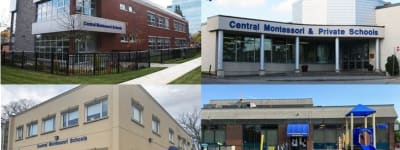
 Toronto, Ontario "At Central Montessori School (CMS), young minds are inspired to be creative, innovative, and inquisitive. We cultivate bright, young leaders and strong communicators ready for the 21st century." —From the school
|
|
Meet them at the Expo
 Toronto, Ontario York Mills Road/Bayview Avenue "Junior Academy offers programs for students from Toddler to Grade Eight, in midtown Toronto. The average class size is 10 to 14 students and it caters to many types of students with different learning profiles." —From the school
|
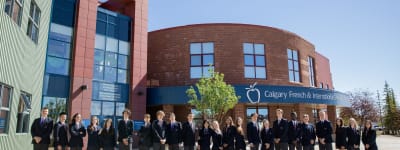
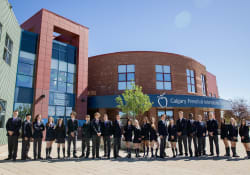 Calgary, Alberta "Calgary French & International School's immersive language learning environment and enriched curriculum inspires a deep curiosity, respect and exploration of the world for children aged 19 months to 18 years." —From the school
|
|
Meet them at the Expo
 Mississauga, Ontario Dundas St W./Mississauga Rd. "The Erindale Academy is a Grades 7–12 university preparatory school near the University of Toronto Mississauga, guided by School 2.0 to develop students’ AI Literacy, Hands-on Intelligence, and Social Intelligence." —From the school
|
 Nepean, Ontario Strandherd Drive/Jockvale Road "What if Your child's First Classroom could... CHANGE THE WAY THEY SEE THE WORLD? Research Led Innovative Early Learning STEM based Programs for children 1 - 5 years !" —From the school
|
|
Meet them at the Expo
 Toronto, Ontario Breadalbane St/St Luke Ln "YMCA Academy is an independent, private school for students in Grades 6–12 with learning differences, offering individualized support to help students reach their post-secondary goals." —From the school
|
 Nepean, Ontario "R.I.S.E. Academy empowers youth with personalized, experiential learning rooted in equity and the UN SDGs.We focus on inquiry-based, culturally relevant education that fosters creativity, leadership, and community impact" —From the school
|
 Westmount, Quebec The Boulevard/Place Braeside "The Study, founded in 1915, is one of Canada's premier all-girls' schools. Our bilingual mother-tongue program, experiential learning, and small classes help girls become leaders who are driven to make a difference." —From the school
|
 Burlington, Ontario Walkers Line/Fairveiw Street "Ashwood Glen, an IB World School from JK to Gr, 1-8, fosters leadership, global citizenship, & a growth mindset. Our warm, inclusive community & personalized approach empower confident, future-ready students to thrive!" —From the school
|
 St. Catharines, Ontario Ontario St./Welland Ave. "Heuristic & autodidactic, inspired by Sudbury & democratic models. Students are self-directed, and holistically empowered. Voluntary attendance, year-round calendar, agency, & consent inspire free learning. Also Forest" —From the school
|
 Montreal, Quebec Rue Sherbrooke/Ave Connaught "College Prep International, a traditional private school in Montreal, offers English instruction with partial French immersion, for grades five to twelve. Its average class size range from 12 to 18 Students." —From the school
|
 Markham, Ontario Woodbine/16th Avenue "The School embraces a holistic approach to education that prepares its students for meaningful lives in a changing world and to become contributing citizens of society." —From the school
|
 Mississauga, Ontario Dundas/Erin Mills "USCA Academy is a leading Canadian international School and private schoo for local and international students The School offers Elementary School Program(Grade1-8), Ontario Secondary School Diploma Program(Grade 9-12)." —From the school
|
 Toronto, Ontario Finch Avenue/Islington Avenue "Nile Academy offers small class sizes and a low student-to-teacher ratio, while also following the Ontario Curriculum, ensuring our students are well prepared for the rest of their educational pursuits here in Canada." —From the school
|
 North York, Ontario Bathurst/Wilson "Magnificent Minds reimagines education through a neurodiversity-affirming, whole-child approach that integrates learning, mental health, and skill development in a supportive, low-ratio environment." —From the school
|
|
Meet them at the Expo
 Toronto, Ontario University Ave./Dundas street "CMPS is a faith-based, academically rigorous community blending Montessori and traditional methods to inspire a love of learning, strong character, and confident leadership from Preschool to Grade 12." —From the school
|
 Vaughan, Ontario Dufferin St/Rutherford Rd "A child should never wait to learn or be left behind. At Read Write Think, flexible academic cohorts provide the right level of challenge and support, helping every student grow, progress, and succeed." —From the school
|
 North York, Ontario Leslie Street/401 "Personalized academic plans, small classes, and enriched programs build a focused learning environment. True home-school partnership and individualized support around each student's strengths and future goals." —From the school
|
 Toronto, Ontario Queen Street East/Glen Manor Drive "Located in the Beach, Toronto, Avalon Children's Montessori School provides a warm, inclusive Montessori environment for children ages 2.5 to 14." —From the school
|
 Montreal, Quebec De Maisonneuve West/Park Row West "At Kells, flexibility is key. We develop programs allowing students to work within their comfort zone, which may be above, below or at grade level. The result is students who outperform even their own expectations." —From the school
|
 Oakville, Ontario Ford Drive/Royal Windsor Drive "We believe every child can learn when presented with an environment and instructional practices that meet their needs. Our mission is to facilitate academic success and social emotional well-being for every student." —From the school
|
 Vaughan, Ontario Rutherford Road/Weston Road "Vaughan College empowers students through personalized learning, preparing future post-secondary professionals with the confidence, knowledge, and skills for success, reflected in our high university acceptance rate." —From the school
|
 Newmarket, Ontario "Grace Christian Montessori School acknowledges each child as a masterpiece of God, unleashing their potential through a holistic blend of Montessori principles, STEAM, academic excellence, and biblical teachings." —From the school
|
 Kirkland, Quebec Rue Edmond/Ch Ste-Marie "Kuper Academy offers programs from pre-school to Pre-University (Grade 12) in Kirkland. Its average class size is 22 students." —From the school
|
 Halifax, Nova Scotia Russell St/Gottingen St "We weave together arts, academics, and mindfulness to unlock each student's full potential. Guided by our Five-Pillar philosophy, young minds don't just learn - they discover their power to shape a better tomorrow." —From the school
|
 Kitchener, Ontario "St. Jude's/Scholars' Hall is a family-focused school that uses traditional teaching methods combined with a fully integrated Leadership program to raise strong, capable, independent, and intelligent young adults." —From the school
|
|
Meet them at the Expo
 North York, Ontario York Mills Rd/Don Mills Rd "We inspire globally minded learners through rigorous IB and AP programmes, nurturing curiosity, confidence and character. With personalized attention, students excel academically and lead with purpose." —From the school
|
 Ottawa, Ontario Bank/Heron "Westboro International Academy is a proud leader in bilingual education for young learners from Kindergarten to Gr. 8. Give your child a lifetime of excellence with Ottawa's most personalized, truly bilingual education." —From the school
|
 Rosthern, Saskatchewan "RJC is a Grades 9-12 boarding school accredited by the Saskatchewan Ministry of Education. RJC is student and community-focused all while offering excellent academics and exceptional athletic and fine arts programs." —From the school
|
 Windsor, Nova Scotia College Rd/King St "Benefitting from its safe and beautiful Nova Scotia location, King's-Edgehill facilitates the opportunity for every student to Be More – in the classroom, on the sports fields, on stage, in the community and beyond." —From the school
|
 Calgary, Alberta Bowness Rd NW/Bow Crescent NW "Independent Pre-JK–Grade 6 school in Calgary where childhood is cherished, every child is known, and wonder inspires learning." —From the school
|
 Toronto, Ontario Wilson Avenue/Avenue Road "At Glen Briar Academy, every student is known, supported, and empowered. GBA goes beyond grades to cultivate lifelong learners, critical thinkers, and compassionate, globally-minded leaders with purpose." —From the school
|
 Breslau, Ontario "Woodland combines academic excellence, spiritual growth, and community engagement. With a Christ-centered education, diverse curriculum, dedicated faculty, and supportive culture, it's an ideal choice for families." —From the school
|
 Ottawa, Ontario "Our mission is to empower every student with the personalized support they need to achieve their full academic potential and confidently pursue their post-secondary goals." —From the school
|
 Mississauga, Ontario "Shining Stars School believes by combining the most conducive, inclusive and safe learning environment and developmentally appropriate curricular supports, our students can succeed!" —From the school
|
|
Meet them at the Expo
 Burlington, Ontario North Service Road/King Road "Fern Hill School provides an engaging & rigorous academic program for children from Preschool to Grade 8. Our traditional and structured approach focuses on developing intellectual curiosity, creativity & confidence." —From the school
|
 Toronto, Ontario Yonge/Davenport "At The Linden School, we empower students to lead, think critically, and thrive in an inclusive, progressive environment. Our innovative approach to education promotes student voice, well-being, and academic excellence." —From the school
|
 Ottawa, Ontario St. Laurent Blvd./Montreal Rd. "Our mission is personalized student academic success in a friendly and caring school community, in which all students are emotionally supported and socially welcome." —From the school
|
These schools offer support for gifted students within the regular classroom. Gifted students stay with regular learners, while receiving special, individualized programming.
|
Meet them at the Expo: Oct 24
"Toronto Prep School starts later in order to maximize teen learning. The optimal time for teenagers to learn is late in the morning through to late afternoon. Our classes start at 10:00 am.
—From the school
|

"Niagara Christian Collegiate offers Grades 6–12 with day and boarding options in a safe, diverse community along the Niagara River. Our graduates earn top university placements in competitive programs worldwide.
—From the school
|
|
Meet them at the Expo: Oct 24

"Our Adviser Program guides the personalized approach found in all aspects of life at Greenwood. From academics to co-curriculars to outdoor education, students feel engaged as they grow through successes & challenges.
—From the school
|
|
Meet them at the Expo: Oct 24

"Hudson encourages students to do one thing above all else: be yourself. Our down-to-earth community celebrates personal strengths, fosters intellectual curiosity, and encourages ambitious personal goals.
—From the school
|
|
Meet them at the Expo: Oct 24
"MetroPrep is an IB World School where small classes, personalized mentorship, exceptional academics, and innovative signature programs empower every student to achieve their full potential.
—From the school
|
|
Meet them at the Expo: Oct 24
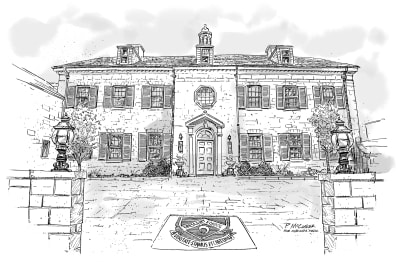
"Crescent School is an independent day school for boys in Grades 1 to 12 in Toronto. Our relational learning environment develops students' character through academics, arts, athletics, business, outreach and robotics.
—From the school
|
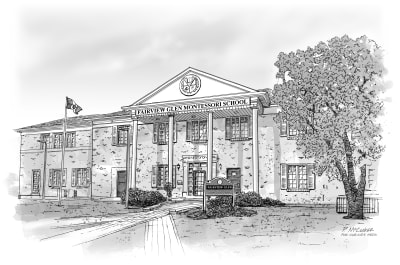
"Inspiring Independent Minds with Purpose and Integrity! Positive school culture begins with passionate educators and a commitment to excellence. At FGMS children are guided with dignity because they are capable of more.
—From the school |
|
Meet them at the Expo: Oct 24

"Our vision: Life-long Georgians ready to use their scholarship, compassion, conscience and courage to make a difference. Our mission: To challenge and inspire each boy to become the best version of himself.
—From the school
|
|
Meet them at the Expos: Oct 24, Oct 18

"Founded in 1962, TFS offers an exceptional English and French education from 20 months to Grade 12. TFS teaches the curricula of France and Ontario within the International Baccalaureate framework.
—From the school
|

"Armbrae offers a close-knit, inclusive community with balanced academics, strong arts and athletics, play-based early learning, and real-world enrichment from Preschool to Grade 12—supported by personalized guidance.
—From the school
|
|
Meet them at the Expo: Oct 24

"RDS is a downtown co-ed school that fosters future-ready leaders by honouring the unique character and potential of each child. We offer small class sizes and access to top-tier facilities like UoT, the ROM and the AGO.
—From the school
|
|
Meet them at the Expo
 Toronto, Ontario Danforth Ave/Broadview Ave "Montcrest is a welcoming community that specializes in cultivating incredible young people. With small class sizes & unparalleled student-teacher relationships, Montcrest helps children become who they’re meant to be." —From the school
|
 Stratford, Ontario Ontario Street/Waterloo Street South "Private intermediate and secondary micro-school in Stratford, Ontario dedicated to providing a holistic education that values academic excellence, moral leadership, emotional well-being and social responsibility." —From the school
|
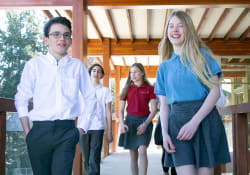 Victoria, British Columbia "We identify experiences that enhance learning, empowering individuals while fostering a community of collaborative contributors. This is achieved through interdisciplinary projects that are seamlessly integrated." —From the school
|
 Toronto, Ontario Yonge St./Lawrence Ave. "The Dunblaine School empowers students with learning disabilities to reach their full potential. It offers programs for students from grade one to eight, with an average class size of 5-7 students." —From the school
|
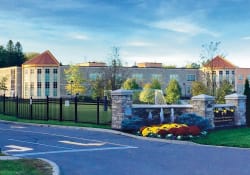 Richmond Hill, Ontario Major Mackenzie/Bayview Avenue "Richmond Hill Montessori Private School is a co-ed day school offering programs from Montessori to Grade 8. Small classes from 16-20 students support personalized learning, strong relationships and character growth." —From the school
|
|
Meet them at the Expo
 Mississauga, Ontario Erin Mills Parkway/Argentia Rd "There’s a different energy at SJA. As a leading IB World School and university preparatory school, SJA creates an atmosphere of acceptance that allows us to challenge students to take ownership of their own success." —From the school
|
|
Meet them at the Expo
 Toronto, Ontario York Mills/Leslie "Learning is not one to many. It's many to one. From the teachers to the principal to the coaches and beyond, learning at WillowWood is a team approach." —From the school
|
|
Meet them at the Expo
 Toronto, Ontario Davenport Rd/Spadina Rd "Waldorf education is 'schooling with heart'. Students and parents love our class sizes, strong teacher relationships, incredible curriculum, unique opportunities and arts-infused academics!" —From the school
|
 Hamilton, Ontario Main St. W./Longwood Rd. S. "We are Canada’s largest boarding high school (Grades 9–12). - #1 in admission offers from U of T, Waterloo, and McMaster - #1 in total university scholarships awarded to graduates" —From the school
|
 Oakville, Ontario Winston Churchill/Lakeshore Road East "Clanmore Montessori offers a warm, inclusive community where children learn with purpose. Our caring educators and mixed‑age environments help students grow with confidence, curiosity, and joy." —From the school
|
|
Meet them at the Expo
 Mississauga, Ontario Derry/Millcreek "Lynn-Rose School is a premier private school for grades PK-12 that prepares students to be independent thinkers and lifelong learners. We foster global citizenship, preparing students to excel in a rapidly evolving world" —From the school
|
|
Meet them at the Expo
 Toronto, Ontario Bathurst St./St. Clair West "Canada’s only independent, Catholic school for boys in Grades 7-12, taught in the Basilian tradition of forming the mind, body, and soul. Since 1852, we have educated students in goodness, discipline, and knowledge." —From the school
|
 Toronto, Ontario York Mills/Leslie "Hawthorn partners with parents to form well-rounded young women rooted in the Catholic faith. Through personalized attention, students excel in academics, leadership, and character, with exceptional university placement." —From the school
|
 Belleville, Ontario "We are a therapeutic boarding school for Gr. 3-12 students requiring individualized academic, clinical, and behaviour-management solutions in small class sizes and professional home stay or boarding environments" —From the school
|
|
Meet them at the Expo
 Toronto, Ontario Leslie/York Mills "La Citadelle teaches French and English as first languages within a Gr. 8 Reach Ahead, IB and AP programme, academically advanced, university-bound, and grounded in a warm community that shapes confident global citizens." —From the school
|
|
Meet them at the Expo
 Mississauga, Ontario "Rotherglen School - MISSISSAUGA is a montessori school that offers programs from JK to grade eight. The average class size is 18 students." —From the school
|
|
Meet them at the Expo
 Oakville, Ontario "Rotherglen School - OAKVILLE offers programs for students age 4 to grade eight. The average class size is 18 students." —From the school
|
|
Meet them at the Expo
 King, Ontario King Road/Dufferin Street "The Country Day School offers a challenging post-secondary preparatory program for students in JK-12 where our students feel known and welcome. Our 100-acre rural campus is located north of Toronto in King City." —From the school
|
|
Meet them at the Expo
 Burlington, Ontario Mainway/Appleby Line "Dawncrest Academy is a private school in Burlington where every child is seen, supported, and inspired to thrive through academic excellence, creativity, and personal growth in a nurturing, close-knit environment." —From the school
|
|
Meet them at the Expo
 Richmond Hill, Ontario Yonge/Gamble "Richland Academy blends Reggio-inspired learning with the IB World School framework, nurturing students through inquiry, real-world experiences and strong connections, building confidence, empathy, and lifelong learning." —From the school
|
 Mississauga, Ontario Mississauga Rd/QEW "We strive to take the best aspects of Catholic teaching & interpret it in a modern context for the confident young woman of today. They are imbued with a strong work ethic, sense of purpose & a desire to change the world" —From the school
|
|
Meet them at the Expo
 Belleville, Ontario "Discover an exceptional education. Albert College is an independent boarding and day school for students in Pre-Kindergarten to Grade 12 in Belleville, Ontario. AP offered as well as ESL summer school (OSSD credit)." —From the school
|
 Etobicoke, Ontario "Quo Vadis offers a dynamic trilingual Polish-English-French program within a Catholic environment. The school prioritizes academic excellence, self-esteem, and the formation of well-rounded, responsible individuals." —From the school
|
 Ottawa, Ontario Vaughan Street/Bertrand Street "Ottawa’s Fern Hill School offers Preschool, Kindergarten and Elementary Grades, including Core & Advanced French. Tuition starts at $3,550." —From the school
|
 Rosseau, Ontario Hwy. 141/Bright Street "At RLC, Muskoka's outdoors become an extension of the classroom. By integrating academics, outdoor education, athletics, and leadership, students build character, resilience, and confidence to thrive beyond high school." —From the school
|
|
Meet them at the Expos
 Mississauga, Ontario Derry/HWY 27 "Housed in state-of-the-art facilities, we offer a 48-year legacy of providing a perfect learning environment with enriched academic, arts, & athletic programs - inspiring every student to be extraordinary." —From the school
|
 Brantford, Ontario Fairview Drive/North Park Street "Since 1996, strong academics, small classes, & dedicated teachers have created a nurturing environment where every child feels supported. We inspire well-rounded learners who become confident, compassionate students." —From the school
|
 Toronto, Ontario Sheppard Avenue East/Highway 401 "Sunray Academy of Canada prepares learners with a personalized high school education (OSSD), empowering them to design their future, pursue global opportunities, and emerge as confident & internationally minded leaders." —From the school
|
 North Vancouver, British Columbia Harbourside Drive/ "A globally oriented university-preparatory day and boarding school combining BC academics, diverse perspectives, and structured pathways that evolve with students from Grades 8–12." —From the school
|
 Victoria, British Columbia "Since 1908, St. Margaret’s has delivered academic excellence, global perspective, and purposeful leadership for JK–12 day and boarding students as Vancouver Island’s only all-girls school." —From the school
|
 Toronto, Ontario Mt Pleasant Rd/Eglinton Ave "Authentic AMI Montessori learning with experienced educators, purposeful environments, and strong foundations in literacy, math, and French. Children build independence, focus, and confidence." —From the school
|
|
Meet them at the Expo
 Toronto, Ontario Lawrence Ave./Bathurst St. "The Clover School offers an authentic Montessori education across two Toronto locations for Toddler to Grade 6, rooted in community, academic excellence, and whole-child development where every child is truly known." —From the school
|
 Rigaud, Quebec Rue Saint-Pierre/Rue Bourget "Collège Bourget is a day and boarding school located between Montreal and Ottawa. French and English high school programs are offered. Bourget aims to foster personal autonomy, academic development, and perseverance." —From the school
|
 Woodbridge, Ontario Kipling/Highway 7 "You belong here! At TDChristian, we celebrate each student’s unique gifts in a safe, supportive, and engaging environment. With faith, learning, and belonging at our core, we engage, enfold, and empower every student." —From the school
|
 Rome, Italy Ponte Sublicio/Lungotevere Aventino "An IB World School located in the heart of Rome. A connected community driven by our 5 core values of Scholarship, Integrity, Creativity, Independence, and Care; culturally inspiring students since 1964." —From the school
|
 Merrickville, Ontario "Our small class sizes, dynamic club programs, and house-based community activities ensure that every student feels a sense of belonging at Fulford Academy. Whether they are boarding or day students, all individuals know" —From the school
|
|
Meet them at the Expo
 Whitby, Ontario "Cambridge International Academy offers an enriched curriculum from grades SK to 12 in Whitby. Central to the school’s philosophy is the belief that students learn best inside and outside the classroom by the lake." —From the school
|
 Burlington, Ontario Appleby/Britannia "Evergreen Christian Academy redefines education through hands-on learning, outdoor exploration and small classes where children are truly known, challenged, and inspired to thrive academically, socially, and emotionally." —From the school
|
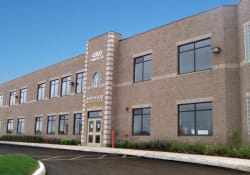 Mississauga, Ontario Tomken Rd./Eglinton Ave. E "Northstar Montessori offers an accredited Montessori curriculum from Toddler age to Grade 8. Our goal is to develop strong character and contributing citizens who understand that their involvement makes a difference." —From the school
|
 Rothesay, New Brunswick Rothesay Rd/College Hill Rd "Our unique, daily Advisor Program ensures every student is surrounded by a strong network of highly qualified, dedicated faculty and staff whose mission is to provide academic, emotional, and social guidance and support." —From the school
|
|
Meet them at the Expo
 Toronto, Ontario "Howlett Academy is a private, co-educational school for JK to Grade 8. Accountability, Integrity, Teamwork, Innovation, Creativity and Energy are our core values." —From the school
|
 Calgary, Alberta Highway 1/Stony Trail East "Third Academy is a school with a heart. We are inclusive, supporting students with a variety of disabilities and disorders. Our sliding scale bursary program makes our services accessible to all families." —From the school
|
 Markham, Ontario Brimley Road/14th Ave South "Established in 1974, Somerset Academy is an independent, not-for-profit private school that provides education to students in JK Grades 8. Somerset Academy has an average class size of 18 students." —From the school
|
 Ottawa, Ontario Fisher Ave/Baseline Rd "Turnbull School is dedicated to academic excellence in a caring environment. Highly qualified teachers, small class sizes, comprehensive, enriching programming, and variety in athletics, science, technology and the arts." —From the school
|
 Milton, Ontario "At Oxford Learning Academy, our teachers will use the proven scientific approach of Cognitive Development to teach our students new ways of thinking and understanding what they are learning and how they are learning." —From the school
|
 North Vancouver, British Columbia Wellington Dr/Fromme Rd "Cousteau School offers a bilingual French-English education with a dual curriculum: the French Ministry of Education program and the BC curriculum, fostering academic excellence and global citizenship." —From the school
|
 Winnipeg, Manitoba South Dr/North Dr "At St. John’s-Ravenscourt School, we believe that education should inspire students to rise to challenges, pursue excellence, and contribute meaningfully to the world around them." —From the school
|
|
Meet them at the Expo
 Oakville, Ontario Dundas Streeet/Ninth Line "Fern Hill School is a private school for Preschool through Grade 8 providing enriched learning delivered by subject-specific teachers. Our school is regarded as one of the pre-eminent elementary schools in Canada." —From the school
|
 Toronto, Ontario Bathurst St./Eglinton Ave. West "At Alive Montessori, Grades 1–6 students develop independence, curiosity, and strong academic foundations through hands-on Montessori learning, personalized instruction, and a supportive school family." —From the school
|
 Scarborough, Ontario Brimley Avenue/Finch Avenue East "RCS’s purpose is to unleash the potential in each student and set them on the path for a successful life. We provide rigorous academics with individual attention in a diverse, energizing, and caring environment." —From the school
|
 Hamilton, Ontario Rymal Road West/Glancaster Road "HDCH, founded in 1956, is an imaginative, innovative learning environment. Our programs are designed to challenge a wide range of learners. We welcome local and international students into our Christ-Centred community!" —From the school
|
 Sherbrooke, Quebec "Bishop's College School is an English boarding and day school for students in grades 7 through 12. Small in size and culturally diverse, BCS is an IB World School offering the IB Diploma Programme and Canadian curricula." —From the school
|
|
Meet them at the Expo
 Collingwood, Ontario ON-Highway 26 W (Balsam St.)/First Street "At Pretty River Academy, wonder emerges and purpose unfolds. Through inquiry, innovation, emotional intelligence, and experiential learning, students become resilient thinkers, creators, problem solvers, and leaders." —From the school
|
|
Meet them at the Expos
 Richmond Hill, Ontario "A place where every learner is seen, heard and empowered to make an impact in their communities. An unparalleled online learning experience, providing academic excellence, experiential learning and personalized support." —From the school
|
 Kitchener, Ontario "InnovOak is built on surpassing Ontario standards, emphasizing skill-based academic excellence. Our LifeReady program ensures real-world readiness, preparing students for tomorrow using a sensible and innovative approach" —From the school
|
|
Meet them at the Expo
 Caledon, Ontario "Brampton Christian School in Caledon, Ontario, offers an academic-based, JK to Grade 12 program at an affordable tuition cost of $12, 650." —From the school
|
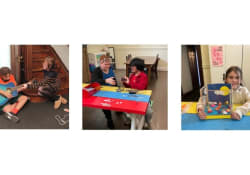 Toronto, Ontario Danforth/Broadview "Passages is an alternative school that empowers young people to shape their education. Supported by adult mentors, learners follow their interests, contribute to a democratic community and feel engaged in learning again." —From the school
|
 Foothills, Alberta Range Road 12/306 Ave W "Strathcona-Tweedsmuir School is an independent, private coeducational, continuum IB (primary, middle, and diploma programme) day school for Kindergarten - Grade 12, located just outside of Calgary, AB." —From the school
|
|
Meet them at the Expo
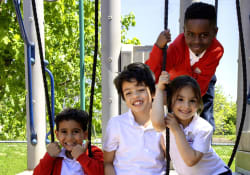 Etobicoke, Ontario Burnhamthorpe Road/Kipling Avenue "We have a Christian-based perspective that builds the whole child. We teach them how to ask questions about the world around them while encouraging interest in bettering themselves and their communities." —From the school
|
|
Meet them at the Expo
 Toronto, Ontario Davenport/Dupont "The Mabin School offers programs from Junior Kindergarten to Grade 6 in Toronto. With one class per grade, its average class size is 20 students with 2 teachers per grade." —From the school
|
 Mississauga, Ontario Dixie Road/South Service Road "The close-knit community at Star delivers on Learn to Love to Learn™ with passionate, talented educators beginning at Kindergarten. Our Five Pillars of Child Development guide learning experiences at all grade levels." —From the school
|
 Calgary, Alberta 17th Ave SW/Richmond Road SW "In addition to academics, our focus on mentorship, hands-on learning in and outside the classroom, and character development, will allow our students to thrive academically and personally as they discover who they are." —From the school
|
 Surrey, British Columbia 64th Avenue/Fraser Highway "Crescent Heights Academy offers a rigorous academic curriculum that integrates arts, sciences, and athletics, preparing students for success in post-secondary education." —From the school
|
 Ottawa, Ontario Baseline Rd./Woodroffe Ave. "Bishop Hamilton Montessori School, a not-for-profit independent school in Ottawa, provides an authentic Christian Montessori approach for children 3 months to 14 years." —From the school
|
 Oshawa, Ontario Wilson Road/Adelaide Ave "At G.B.MS, D.E.P.S and Durham Academy Secondary school focus is on each individual student and helping them meet their unique potential and goals. We believe in excellent customer service and families have a voice. Throughout the year we enhance our programs through program enhancement and enrichment." —From the school
|
 Neuchâtel, Other "Neuchâtel Junior College offers a transformative Grade 12 or gap year in Switzerland. Students study Canadian curriculum, immerse themselves in French Swiss culture, and gain independence and a global perspective." —From the school
|
 Summerland, British Columbia "UNISUS blends an IB education with personalized learning, Scholar-Athlete Academies, Enrichment Programs & weekend boarding adventures within a supportive, close-knit community; inspiring growth beyond the classroom." —From the school
|
 Markham, Ontario McCowan Road/Denison Road "Markham, Ontario; IB School; OSSD; OSSD online credit course; NOIC ACADEMY’s annual university enrolment rate is 100% and we have 95.74% of graduates admitted by University of Toronto in 2024." —From the school
|
|
Meet them at the Expos
 Toronto, Ontario Yonge St/Lawrence Ave "Blyth Academy has five Ontario campuses offering programming in-person and virtual. As part of the Globeducate network, students benefit from world class academics, personalized learning and global opportunities." —From the school
|
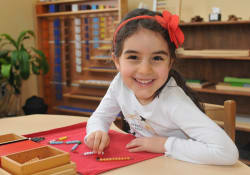 Richmond Hill, Ontario Leslie/Elgin Mills "In addition to providing high-quality Montessori education, YMS offers French and Music, on-site after-school classes, off-site field trips, theme-based summer camp, parent education workshops, and family social events." —From the school
|
 Ottawa, Ontario Carling Avenue/Broadview Avenue "Phoenix Private Academy offers elementary education to students with ASD and other exceptionalities, maintaining small teacher to student ratios. We promote strong academic, physical and social-emotional development." —From the school
|
 Montreal, Quebec "Our community inspires students to discover joy and passion in their learning, purpose in their lives, and the confidence to express their unique selves in a nurturing, inclusive, and collaborative environment." —From the school
|
|
Meet them at the Expo
 Toronto, Ontario Yonge St/Sheppard Ave "Ontario Virtual School is an Ontario Ministry-inspected credit-granting institution offering Grades 6-12 courses in an interactive online format. Students can start anytime with 24/7 access." —From the school
|
 Oakville, Ontario Lakeshore/Third Line "Oakville Christian School is committed to instilling confidence in young lives during their formative years, and cultivating in its students solid Christian character traits and values." —From the school
|
 Ottawa, Ontario Bank Street/Marché Way "Our programs find the interaction of youth’s developmental characteristics, the Ontario curriculum, and the requirements of the adult world to create the focussed engagement that naturally leads to personal excellence." —From the school
|
|
Meet them at the Expo
 Burlington, Ontario Hwy 6/Dundas Street "Laureate’s whole‑brain, cross‑curricular and collaborative project‑based culture, enriched by gifted arts and co‑op programs, offers a forward learning pathway backed by 100% university acceptance rate to date." —From the school
|
 North Vancouver, British Columbia "Brockton is a gender-inclusive IB World School where every student matters, every family matters, community matters, and learning for life matters." —From the school
|
 Montreal, Quebec "We believe in Girls' Education. Trafalgar offers a strong liberal arts education, a comprehensive STEAM program, a broad and dynamic athletics program and a host of leadership opportunities through clubs and activities." —From the school
|
|
Meet them at the Expo
 Whitby, Ontario Garden Street/Hwy. 2 "Whether exploring science and technology, creating art, or competing in athletics, there is nothing a Trafalgar girl can't handle." —From the school
|
 Milton, Ontario Main St W/Bronte St N "Our Montessori classrooms form vibrant communities where children uncover their learning potential and receive ongoing, personalized support for their academic, social, and emotional development." —From the school
|
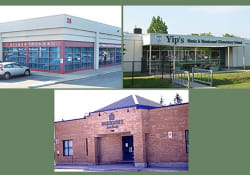 Markham, Ontario Brimley Road/14th Ave "Founded in 1990, Yip's Montessori Program caters to children from 1.5 to 5 years old. Yip's campuses are located in Markham and Unionville." —From the school
|
 Montreal, Quebec Wellington/Robert-Bourassa "Garderie Bonne Aventure welcomes children ages 6 months to 5 years. We focus on independence and building confidence. Our center has an in-house chef who prepares the meals. We have a very international clientele." —From the school
|
 Toronto, Ontario Duplex Ave/St Clements Ave "At SCELS we believe giving children an early education will build a solid foundation to prepare them for their next school setting." —From the school
|
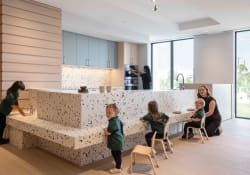 Toronto, Ontario Dufferin/401 "Bloomsbury Academy’s unique integrated Montessori/Focus approach enables our students to develop essential skills such as self-direction, collaborative problem-solving, and emotional intelligence." —From the school
|
 Westmount, Quebec Mount Pleasant Avenue/Cedar Avenue "Located in Montreal, QC, Miss Edgar’s & Miss Cramp’s School offers a bilingual education for girls from K-12. From entrepreneurship to STEAM, our unique learning environment empowers girls to lead the way." —From the school
|
 Victoria, British Columbia "Brookes Westshore is an IB World School on Vancouver Island, BC, offering small class sizes, engaging teachers and a caring community to boarding and day students from grades 4 to 12." —From the school
|
 Bayfield, Ontario "After 25+ years of teaching courses online, VHS is unrivaled in experience, credibility, and expertise. Our student-centred model provides a world-class educational experience for thousands of Ontario students each year." —From the school
|
 Mississauga, Ontario Lakeshore road/Southdown road "Rooted in Christian values, Meadow Green Christian Academy combines academic rigor, personal attention, and a safe, nurturing environment to empower each student’s unique potential." —From the school
|
 Vancouver, British Columbia Broadway/Granville "Vancouver's only dedicated STEM high school, VISST offers the full BC curriculum with accelerated & enriched STEM. Students will learn from domain experts and PhDs in small classes." —From the school
|
 Vancouver, British Columbia West Broadway/Stephens Street "Your child won't learn math in one period and writing in the next. They'll use both inside real themes. We've built 74 of these themes, all mapped to the BC curriculum. Your child leaves with work to show for it." —From the school
|
 Aurora, Ontario Wellington Street/Yonge "Aurora Preparatory Academy is small by design, a supportive JK-8 community in which students thrive. Affordable tuition and an advanced programme, including all-grade French, music and art, and inclusive sports teams." —From the school
|
|
Meet them at the Expo
 Richmond Hill, Ontario Bayview Avenue/Elgin Mills Road E "HTS (Holy Trinity School) is a co-ed school in Richmond Hill with 835 students (JK-12) offering opportunities to shape experience through comprehensive academic and student life programming." —From the school
|
 Milton-Campbellville, Ontario Highway 401/Guelph Line "At Hitherfield we believe that every child is unique, and has their own strengths and interests. With individualized programming, Hitherfield continues to nurture growth, success and confidence in our students. " —From the school
|
 Kelowna, British Columbia "Flex is a hybrid campus blending flexible schedules & personalized plans with Christ-centered educators invested in mentoring relationships, building the thinking, tech, and self-advocacy skills students need to thrive." —From the school
|
 Shawingan Lake, British Columbia "A close-knit IB school blending flexible pathways with outdoor and hands-on learning. We nurture curiosity, confidence, and critical thinking in a supportive community focused on developing balanced, capable humans." —From the school
|
 Whitby, Ontario Brock Street South/Dundas Streer West "The Hatch House Montessori School is a very child centered school where each student is respected for their uniqueness and is guided through learning accordingly. Ask about our unique, fully bilingual elementary program." —From the school
|
 Wilcox, Saskatchewan Railway Ave/Rouleau St "No other high school in the world has developed more Elite, Junior, Collegiate, USPORT, NCAA, National, Olympic or Pro athletes with over 215 in the NHL alone. ND graduates attend the top ranked universities worldwide." —From the school
|
 Toronto, Ontario Bayview/Eglinton "CGS represents a strong sense of community where we partner with our families and experienced team of educators to promote a balanced academic-and-values based environment; diversity and inclusion are paramount." —From the school
|
These schools offer no formal program for gifted students, but have an accelerated baseline curriculum. This means all students—gifted or not—do the work of older peers at other schools. For highly gifted learners (those in the 99th percentile), this alone is likely not enough to support their needs.
|
Meet them at the Expo: Oct 24

"At Upper Canada College tradition, excellence and innovation meet. UCC inspires boys to lead lives of leadership, service and impact through transformative learning experiences that develop head, heart and humanity.
—From the school
|

"Elmwood School is Ottawa’s leading school for girls from Pre-Kindergarten to Grade 12. With high academic standards, small classes, and a supportive environment, each girl is known, challenged, and empowered to reach her
—From the school
|

"This traditional private school in Ottawa offers Grades 3-12 with 100 boarding and 650 day students. Tuition ranges from $40,920 to $87,660. Ashbury excels in academics, co-curriculars, and experiential learning.
—From the school
|
|
Meet them at the Expo
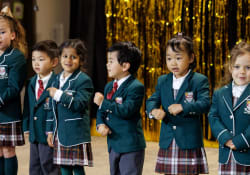 Toronto, Ontario Don Mill Rd/York Mills Rd "A future-ready learning experience grounded in curiosity, compassion, and courage, combining innovative academics, global perspective, and outstanding facilities." —From the school
|
|
Meet them at the Expo
 Brampton, Ontario Sunforest Drive/Bovaird Drive E "Rowntree is Brampton's Top Choice Private School year after year. Focusing on excellence, leadership, and inclusivity, each child develops academic strengths in both traditional and 21st Century skills." —From the school
|
 Winnipeg, Manitoba Langside St./Westminster Ave. "Recognizing each student's potential in their pursuit of excellence, we encourage progress, we develop opportunities, and we advocate belonging as they create paths that take them into uncharted territories." —From the school
|
|
Meet them at the Expos
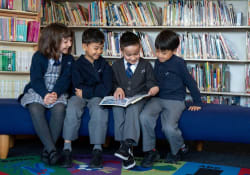 Mississauga, Ontario Cawthra/Lakeshore "TFS' West Campus in Mississauga offers the curricula of France and Ontario within the IB framework from PK to Grade 7. Our bilingual, coed, non-denominational environment fosters curious learners and engaged citizens." —From the school
|
 King City, Ontario Keele St./King Rd. "Villanova College is York Region's only independent Catholic school offering Grades 4 to 12 in King City, Ontario. Average class size is 18 students. Specialty programs include STEM, AP and Domestic ESL." —From the school
|
 Toronto, Ontario "MIA is proud to foster a family environment through our small class sizes and close knit academic community. Our support for students goes far beyond the classroom to best prepare them for life after graduation." —From the school
|
|
Meet them at the Expo
 Markham, Ontario 14th Ave/Kennedy "Trillium School is a private school that offers programs from pre-school to grade twelve in Markham with Montessori-based kindergarten." —From the school
|
|
Meet them at the Expo
 Brampton, Ontario Torbram/Clark "Tall Pines School is focused on post education success. As an IB World School, we go beyond academics to nurture character development while developing critical thinkers today that thrive in the uncertainty of tomorrow." —From the school
|
|
Meet them at the Expos
 St. Catharines, Ontario Ridley Road/Henrietta Street "At Ridley College, an IB World School and one of the largest boarding schools in Canada, our mission is to teach students a foundation of skills and habits to pursue their dreams and build fulfilling careers." —From the school
|
|
Meet them at the Expo
 North York, Ontario Bayview/Sheppard "Bannockburn provides a strong academic foundation anchored in the principles of the Montessori philosophy that supports your child’s intellectual, moral, social, and emotional development in a nurturing environment." —From the school
|
|
Meet them at the Expo
 Wheeling, West Virginia(USA) "The Linsly experience extends beyond the requirements of the classroom. Linsly encourages students to develop their skills and realize passions through a well-managed program of athletics and extracurricular activities." —From the school
|
 Markham, Ontario McCowan Road/Highway 7 "Wesley Christian Academy offers programs from Toddler to Grade 8 in Markham. As we are a Christian school, we share our beliefs with all our students but we warmly welcome families from ALL faiths and backgrounds!" —From the school
|
 Markham, Ontario Woodbine Ave/Major Mackenzie Dr E "RCMS provides authentic Montessori programs, accredited by Montessori Canada, in our healthy and safe, family-oriented environments. We focus on Language and Math while encouraging our students to grow and succeed." —From the school
|
 Newmarket, Ontario Leslie Street/Mulock Drive "Faith isn't just taught — it's lived daily, in a small community where every child is truly known. We nurture academic growth, character, and spirit together, with room to play, compete, and thrive along the way." —From the school
|
Contents:
1 | Quick Summary |
Giftedness can be hard to detect. In fact, gifted children often do poorly in school before their need for more stimulating work is spotted. Abilities can also change over time, so parents need to stay on top of their child’s performance. Psychoeducational testing is the gold standard for identifying gifted learners.
Gifted children can’t “make it on their own.” They can’t be treated like just any other student. If they aren’t properly challenged or stimulated, they often disengage from school.
There are two main ways to support gifted students in the classroom. (1) Dedicated gifted programs are self-contained classes or schools where students learn alongside other gifted ones. (2) In-class adaptations, on the other hand, enrich or accelerate studies in one or more subjects for an individual student. The adaptations can be offered in a regular class—alongside regular learners—or in a dedicated gifted program.
The right kind of support will depend on a student’s learning abilities, social needs, and other factors. Often, students who are either highly or profoundly gifted, gifted in only one subject, or gifted in some subjects and weak in others will need some kind of in-class adaptation.
Public school boards are required by provincial law to support gifted students, although the boards can choose who qualifies for that support and what the support looks like. Private schools, on the other hand, are under no obligation to offer gifted programs. It’s up to parents to determine whether a school is capable of, or willing to, support gifted students. Many private schools don’t. But private schools that do have gifted programs can be ideal choices.
We list private schools with gifted programs on this site, and provide tools for comparing those schools. Moreover, our parent discussion forum allows you to discuss options and get answers to your questions.
2 |
Detecting giftedness |
Gifted children have learning abilities that are considered “exceptional”—so far beyond the norm that their needs cannot be adequately met in a standard classroom setting. In many cases, this is defined as scoring in the 98th percentile or higher in learning ability.
That said, gifted children do not always excel in all areas. It's common for them to have specific strengths and weaknesses. For instance, a child may be advanced in math and science but struggle with reading or writing. Joanne Foster and Dona Matthews, two of Canada’s leading experts in gifted education and co-authors of Being Smart about Gifted Education (2009), describe it this way: “gifted learners have exceptionally advanced subject-specific ability at a given point in time.” [emphasis ours]
The phrase “at any given point in time” is key. Giftedness—and the needs of gifted students—can be surprisingly fluid, especially during childhood development. A student might be keeping pace with the standard curriculum one year, only to surge ahead of their peers the next. Similarly, a child may struggle in certain areas and later develop strong abilities in them, or the reverse.
When a student’s capabilities far exceed classroom expectations—even in just one subject or for a limited time—they can become bored, disillusioned, and disengaged, which can lead to underachievement in school.
Sometimes, it’s immediately clear that a child is gifted and ready for more advanced challenges. More often, though, giftedness isn’t so easy to spot. One reason is that gifted kids may actually struggle in school. It's a common misconception that talented learners always do well academically or enjoy school. In reality, a lack of challenge can lead to boredom, frustration, or even behavioral issues—especially if the curriculum doesn't match their level of ability.
Underachievement and misbehavior can sometimes be signs of a gifted child who isn’t being sufficiently challenged—though they can also indicate the opposite, such as anxiety or fear of failure. Either way, giftedness doesn’t always present itself in obvious ways.
Despite these challenges, giftedness often comes with recognizable traits. According to The Young Gifted Child: A Guide for Families (2010), there are key characteristics to watch for. A child doesn’t need to exhibit all, or even most, of these traits to be considered gifted:
It can be especially challenging to detect giftedness in preschool children. According to The Young Gifted Child guide, there are several early signs to watch for if you suspect your young child may be gifted:
A formal gifted test or assessment can help remove uncertainty and provide a clear understanding of your child’s strengths and needs. It offers valuable insights not only into learning abilities, but also into emotional and social traits. This makes gifted assessments an important step when deciding on appropriate educational options, especially for gifted learners.
There are two main types of gifted assessments: a condensed gifted test and a full psychoeducational assessment. Both must be conducted by registered educational psychologists.
According to Toronto-based psychologists Valentin and Blackstock, a condensed gifted test typically includes:
A psychoeducational assessment is more comprehensive. It includes all elements of the gifted test, plus an in-depth evaluation of your child’s academic achievement, reasoning skills, memory, attention, and cognitive processing. These assessments often require a full day or more to complete.
Further below, we list credible psychoeducational assessment centres in Canada.
3 |
Learning needs of gifted children |
As discussed above, keeping a gifted child in a regular classroom without adaptations often results in a disconnect between the curriculum and the child’s actual learning needs. This mismatch can cause the child to feel bored and frustrated—and it can also create challenges for parents, teachers, and school staff.
These issues frequently extend beyond academics. Social problems may arise, including conflicts with teachers, strained relationships with parents, and even exclusion from peer groups.
Moreover, research indicates that these problems can begin early in a child’s education. The well-known Marland Report on gifted children, published in 1972, was the first national study of its kind. It found that:
“Because the majority of gifted children’s school adjustment problems occur between kindergarten and fourth grade, about half of gifted children became ‘mental dropouts’ at around 10 years of age.”
It also warned that:
“Gifted and talented children are, in fact, deprived [if they remain in unsuitable learning environments] and can suffer psychological damage and permanent impairment of their abilities to function well which is equal to or greater than the similar deprivation suffered by any other population with special needs.”
For these reasons, gifted students should not remain in conventional classrooms without significant modifications. Schools should implement programs that are tailored to each child’s strengths, weaknesses, and pace of learning. Ideally, these programs should be led by educators with specialized training in gifted education.
4 | Types of gifted programs |
In this section, we review the main types of programs for gifted children. We start by outlining the key options—along with their strengths and weaknesses. As you continue reading, you'll find a comparison table that helps match different types of students with the programs best suited to them. Later, we provide guidance on how to choose a specific program, including important questions to consider about your child’s learning needs. At the end, we offer tools for comparing schools based on the specific accommodations they provide.
| (i) Dedicated gifted programs | (ii) In-class adaptations | (iii) Other options |
|---|---|---|
|
|
|
One common form of gifted education is a dedicated program for gifted kids. Dedicated gifted programs are self-contained gifted schools or classes. In this environment, students work exclusively with other gifted learners. All the students in a dedicated gifted learning environment will have their curriculum enhanced, accelerated, or both.
Dedicated gifted learning programs typically provide a standardized curriculum: each student will work at the same (likely accelerated) pace and have their curriculum enriched in the same ways. Moreover, the curriculum will usually be accelerated and/or enriched in all subjects. That said, in some cases, it may be possible for teachers to make special curricular adaptations for individual students in this setting.
If your child is a gifted learner, one strong option is to enroll them in a school designed exclusively for gifted children. In these dedicated gifted schools, all students are advanced learners, and the curriculum is enriched or accelerated to meet the academic needs of the entire student body.
These schools can provide the right level of academic challenge, along with valuable peer interactions among students who share similar abilities and interests. Many also have teachers with specialized training in gifted education, which further supports student development.
However, when the curriculum is highly standardized, the individualized learning needs of each gifted student may not be fully addressed. Since gifted children often differ significantly from one another, some may require personalized adaptations in addition to the general programming. This is especially true for highly gifted learners (those above the 98th percentile) or those who are unevenly gifted across subject areas. If this describes your child, ensure the school offers customized support such as in-class adaptations.
There are also some potential social drawbacks to consider. Being in a segregated learning environment can intensify a child’s self-identification as “different” or “gifted,” which may affect their social development. These students could also face challenges with peer relationships or feelings of exclusion.
Additionally, some experts express concern about a possible “hothouse” effect. That is, gifted-only schools may limit students’ opportunities to engage with a diverse range of peers, a skill that’s important for long-term academic and personal success.
School breakdown:
Gifted support

Dedicated programs (12%)
In-class adaptations (24%)
No specialized support (64%)
If your child is a gifted learner, one strong option is to enroll them in a school designed exclusively for gifted children. In these dedicated gifted schools, all students are advanced learners, and the curriculum is enriched or accelerated to meet the academic needs of the entire student body.
These schools can provide the right level of academic challenge, along with valuable peer interactions among students who share similar abilities and interests. Many also have teachers with specialized training in gifted education, which further supports student development.
However, when the curriculum is highly standardized, the individualized learning needs of each gifted student may not be fully addressed. Since gifted children often differ significantly from one another, some may require personalized adaptations in addition to the general programming. This is especially true for highly gifted learners (those above the 98th percentile) or those who are unevenly gifted across subject areas. If this describes your child, ensure the school offers customized support such as in-class adaptations.
There are also some potential social drawbacks to consider. Being in a segregated learning environment can intensify a child’s self-identification as “different” or “gifted,” which may affect their social development. These students could also face challenges with peer relationships or feelings of exclusion.
Additionally, some experts express concern about a possible “hothouse” effect. That is, gifted-only schools may limit students’ opportunities to engage with a diverse range of peers, a skill that’s important for long-term academic and personal success.
School breakdown:
Gifted support
Dedicated programs (12%)
In-class adaptations (24%)
No specialized support (64%)
An alternative to dedicated gifted programs is the use of targeted in-class adaptations. When teachers are equipped with the right training and resources, these adjustments can be made within a standard classroom setting—allowing gifted students to learn alongside their peers while still receiving the support they need. If you pursue this route, be sure to choose a school that actively provides this kind of support, as not all do.
In-class adaptations can also enhance instruction in dedicated gifted environments. Even among gifted students, learning needs vary widely, and some may require individualized support to reach their full potential.
There are many ways to tailor the classroom experience for gifted learners. Some of the most effective strategies are outlined in Being Smart about Gifted Education by Dona Matthews and Joanne Foster. These include:
| Adaptation | Frequency (% of schools) |
|---|---|
| Curriculum compacting | 11% |
| Subject enrichment | 21% |
| Guided independent study | 16% |
| Cyber-learning | 14% |
Gifted children often require less instruction and repetition than their peers. Curriculum compacting condenses material for students who have already mastered the basics, allowing them to progress more efficiently.
By spending less time on already-mastered content, students gain time to explore new learning opportunities. As noted by Matthews and Foster, this approach encourages deeper exploration of interests and mastery of more complex material.
This method can also help reduce boredom and improve behavior, social skills, and emotional well-being.
Gifted learners often excel in specific subject areas. Single-subject acceleration allows them to move at a faster pace in subjects where they demonstrate advanced ability.
For instance, a student with a strong aptitude in science might follow an accelerated science track. In some cases, this may involve skipping multiple grade levels in that subject.
At the middle or high school level, students may engage in advanced coursework such as Advanced Placement or International Baccalaureate programs.
Enrichment involves expanding the depth and breadth of study in a subject, rather than increasing the pace. Gifted students explore topics in more detail than their peers, encouraging critical thinking and creative exploration.
This can be done within the regular classroom or through pull-out sessions, guided by teachers, librarians, or other school staff.
In guided independent study, students explore topics of interest beyond the classroom curriculum, supported by teachers or parents. Topics might include historical events, scientific research, or ethical issues.
This hands-on approach challenges students to solve real-world problems through research, collaboration, and innovation. It’s ideal for gifted learners due to its flexibility and emphasis on depth of thought.
Projects can be pursued individually or collaboratively and are often interdisciplinary in nature.
Accessing resources designed for older students allows gifted learners to stay challenged. For example, a language-advanced student might join upper-grade classes to engage in discussions and projects beyond their current level.
Online learning can effectively supplement classroom instruction. Used thoughtfully, digital platforms—like websites, forums, and educational tools—can expand a student’s access to rich, diverse content. However, it should complement, not replace, real-world instruction.
In peer coaching, students support each other's learning. Gifted students can deepen understanding by mentoring classmates, provided the tasks are aligned with their learning goals and require critical engagement.
Gifted students can benefit from early exposure to career paths. Opportunities might include informational interviews, research projects, or co-op placements that link academic learning with real-world experiences.
Dedicated programs for gifted kids and in-class adaptations are the two main approaches to gifted education. However, there are several other options to consider. One of the most well-known is whole-grade acceleration or "grade skipping." Another is withdrawal or "pull-out" gifted classes. In addition to these, several less common approaches to gifted education exist. These alternatives either offer full-time gifted programming or serve to supplement a gifted student’s standard curriculum.
Sometimes gifted students accelerate through their studies by skipping one or more grades. Alternatively, a child may skip grades in specific subjects, enter a program early, or be placed in a split-grade classroom where they progress alongside older peers.
Any form of acceleration allows gifted learners to move through school more quickly than usual. This can help address the lack of intellectual stimulation often experienced by gifted students and reduce associated social and emotional challenges.
However, grade skipping isn't without drawbacks. It may affect a child’s social development by separating them from age-similar peers. It can also result in knowledge gaps, since accelerated students might skip foundational content other students study more thoroughly.
It's worth noting that many private schools listed on this site—even those not specifically labelled "gifted"—offer accelerated curricula for all students. In such schools, age-level peers often tackle material meant for older students. This environment may suit some gifted learners, particularly those who are well-rounded and well-adjusted. But students who are highly gifted or have uneven strengths across subjects typically benefit more from tailored approaches, such as in-class adaptations.
| Adaptation | Frequency (% of schools) |
|---|---|
| Accelerated curriculum (school-wide) | 10% |
Another option for gifted learners is a withdrawal gifted class or program. In these part-time programs, students are pulled out of their regular classroom to receive specialized, advanced instruction tailored to their abilities.
However, there has been considerable debate about the effectiveness of part-time gifted programs. Experts such as Matthews and Foster argue that the learning needs of gifted children are too significant to be addressed only on the days they attend their withdrawal class.
They also note that withdrawal programs can present logistical and academic challenges. For example, students may miss key activities in their regular class, like field trips, and some teachers may feel frustrated about losing their strongest students during these periods. More critically, the instruction in withdrawal gifted classes is often not sufficiently differentiated or integrated with the students’ overall academic program.
In addition to standard in-class adaptations, some schools for gifted learners use less common but highly effective teaching strategies. These approaches offer unique ways to engage and challenge gifted students. Matthews and Foster discuss these methods in more detail:
5 | Comparing program options |
The two main kinds of gifted programs are dedicated gifted environments and in-class adaptations. Each option has its benefits and potential drawbacks. To help your search for the right program, we summarize some common arguments used in support of each option. These arguments are generic, in that they aren’t tailored to your child. Moreover, it’s often just as important to look at the specific school or program as it is to look at the type of program.
| Arguments for dedicated gifted programs | Arguments for in-class adaptations | |
|---|---|---|
| Pedagogical |
|
|
| Social |
|
|
Ultimately, neither approach— dedicated environments nor in-class adaptations—is “better” than the other. What matters is the fit between the approach and your child. Below, we outline which students might be suitable for which approach. Remember: there is a lot more to picking a school than just the points below. This table is meant to stimulate your thinking, not replace it. Note that your child might display signs from both columns.
| Dedicated gifted environments may be suitable for students who: | In-class adaptations may be suitable for students who: |
|---|---|
|
|
To explore which program may best suit your child, visit our parent discussion forum, where parents, educators, and experts share insights and advice.
To begin your school search, browse our school list or use our comparison tool to evaluate schools by the specific gifted accommodations they offer.
Beyond the distinction between dedicated gifted programs and in-class adaptations, there's another important contrast: acceleration vs. enrichment. Canadian education consultant Janyce Lastman highlights how some programs prioritize faster-paced learning, while others focus on greater depth.
Acceleration allows students to complete standard content in less time—often advancing into curriculum meant for older students. Examples include whole-grade acceleration, single-subject acceleration, curriculum compacting, early school entry, Advanced Placement (AP), and International Baccalaureate (IB) programs.
Enrichment keeps students moving at a typical pace but explores topics more deeply and broadly. This can take the form of independent study, project-based learning, mentorships, career exploration, cross-grade opportunities, dual-track programs, or specialty subjects.
Some gifted education strategies combine both approaches—acceleration and enrichment. Examples include cyber learning, peer coaching, and extracurricular enrichment activities.
| Acceleration approach | Enrichment approach | Both approaches | |
|---|---|---|---|
| Dedicated gifted environments |
|
|
|
| In‑class adaptations |
|
|
|
| Other options |
|
6 | Public versus private gifted schools |
What’s a better bet for your gifted child: a private school or a public one? Well, it depends on the private school you’re looking at, along with what’s available in your public school district.
Public school boards are mandated by provincial law to provide some kind of gifted programming for kids who need it. School boards vary, however, in who they deem gifted and in need of programming, and in what that programming looks like. Sometimes, gifted programming takes the form of a dedicated gifted class. Students enrolled at a school without separate gifted classes might be asked to switch to a school which does have those classes. Sometimes gifted programming involves in-class adaptations, assuming the teacher is qualified in gifted education. Some school boards in Canada also have dedicated gifted schools, though this is less common in the public system.
Some public schools offer the GATE program, which stands for Gifted and Talented Education. The GATE program is designed to address the learning styles of students identified as talented and gifted. In Canada, there is a GATE program offered in Calgary, Alberta, by the Calgary Board of Education (CBE).
In Toronto, there are also schools and programs for gifted students. The Toronto District School Board (TDSB) has 38 schools with a gifted program. A TDSB gifted program is a great option for many students.
Private schools, unlike public schools, are under no such obligation to support gifted students. It’s up to parents to find out if a private school will make special accommodations for their child. Many schools don’t. Remember, public schools are expected, at least in theory, to try to accommodate everyone.
Private schools, on the other hand, can be more narrowly focused. They can choose their “type” of student, and don’t have to compromise when designing education programs specifically for that type. (It can be inefficient to try to be all things to all people). This, in fact, is one of the virtues of private schools: they offer a wide array of niche choices.
What that means, however, is not all private schools will be the right choice for your child. Gifted children are by definition “exceptional”—they don’t fit the norm. It’s up to you, then, to find a private school that’s able and eager to be flexible in supporting a gifted student. Luckily, in most areas of Canada, there are private schools that do support gifted students, whether they offer dedicated gifted programs or in-class adaptations.
Of course, the benefits of private schools—assuming they support gifted children—are numerous. The right one can be an excellent way to get individualized support for your gifted child. In particular, you should look for a private school that’s attentive and responsive to the learning needs of your gifted child.
Whether you’re looking at private or public schools, though, the quality of gifted programming will have a lot to do with the teachers. Look for schools with teachers who are trained in educating gifted children. Unfortunately, in Canada, the federal and provincial governments provide little funding for teacher training in gifted education (or for gifted education itself).
For more general information on private schools, see our private school basics guide. You can also visit the parent discussion forum.

7 | Subject-specific giftedness |
As we’ve discussed, gifted students tend to have advanced learning abilities that are subject-specific. Often, they are gifted in some subjects, while possessing average to below-average abilities in other subjects. It’s less common that a student is equally advanced across the board. This makes it important to find the right gifted program for your child, one tailored to their unique learning strengths and weaknesses.
As a rule, students with very subject-specific giftedness are better off in a classroom that makes tailored adaptations for them. In this setting, students can have their studies accelerated, curriculum compacted, or studies enriched in a single subject.
Dedicated schools or programs for gifted kids, on the other hand, are not usually devoted to one subject. They’re generally more suitable for students who are gifted in many subjects. Having said that, if a student is gifted in a “core” subject—such as math, science, or the language arts—dedicated gifted programs can still be a good fit. This is especially true if the student’s learning abilities are at least average in most other core subjects.
Below, we look more closely at some of the options available for students with common forms of subject-specific giftedness.
Some students have gifted learning abilities in only math or science. These students might be given subject-specific accelerations in which they skip a grade in math or science, or in which their math or science studies are condensed. They might also be offered different kinds of enrichment: they might study with a high-level math or science teacher, or participate in a math or science study group with other advanced students.
There are also extracurricular opportunities for these students. For instance, there are after-school math enrichment programs or camps, such as Math Spirit, located in many cities in Canada.
There are also plenty of enrichment programs for advanced science students. In Toronto alone, for instance, there are part-time science programs provided by the Ontario Science Centre Science School and the University of Toronto Da Vinci Engineering Enrichment Program (DEEP). They offer lectures and classes in physics, biology, chemistry, engineering, and computer science.
When choosing a school, make sure to look into their approach to teaching math for gifted students. Some students do well with traditional math instruction, while others prefer the discovery approach. We identify the math approach of each school we profile on this site.
The same can be said of science instruction: some students do well with expository instruction, while others thrive with the inquiry approach. We also identify the science approach of each school we profile on this site.
Some students have advanced learning abilities in only the language arts. These students might have their studies accelerated or curriculum condensed in English or a second language, such as Spanish or French. The teacher might also offer some kind of out-of-class enrichment to help these students improve their language abilities. For instance, they might be given the chance to attend a Spanish discussion group or a reading group focusing on Spanish novels.
There are also extracurricular opportunities for students with advanced learning abilities in the language arts. For instance, they might attend an after-school second-language class in Spanish or French, or join a summer camp for language acquisition.
Some students are advanced learners in a subject not considered part of the “core curriculum.” For instance, some students are advanced in one of the fine arts, such as painting or sculpting. Other students are advanced in some area of music, such as composition or playing the piano. Yet other students are advanced in a sport, such as soccer.
These students would not be considered gifted based on provincial ministry standards, and likely wouldn’t be eligible for a dedicated gifted program. And given how specific their advanced learning abilities are, they likely wouldn’t be a good fit. These kinds of students are often better off obtaining in-class adaptations of the kind we’ve discussed: subject-specific acceleration, curriculum compacting, independent studies, mentorships, and the like.
Some of these students may also benefit the most from extracurricular opportunities. A student who’s a talented pianist may be better off, in some cases, taking after-school piano lessons, rather than obtaining in-class adaptations. A student who’s a talented painter might be better off taking after-school art classes or doing an apprenticeship, instead of receiving in-class adaptations. A student who’s a great soccer player might be best off playing on the school soccer team (if there is one), attending soccer camps, or both.
Students with very subject-specific giftedness are better off in a classroom that makes tailored adaptations for them.
8 |
Gifted education by age group |
Recognizing giftedness in preschool-age children can be particularly challenging. At this early stage, patterns of exceptional ability may be hard to detect—especially since many children haven’t yet entered formal schooling. Young children are often less able to express their thoughts and needs, and early indicators of giftedness can sometimes be ambiguous.
Still, just like older learners, gifted preschoolers may become unchallenged and experience social or emotional stress. That’s why identifying their needs early, and providing enrichment where appropriate, is so valuable.
As a parent of a gifted toddler or preschooler, you have a few primary options:
If you decide to place your child in preschool, it's important to consider the educational approach. Full-time gifted programs typically don’t exist at this level, but there are several types to explore—such as academic, play-based, Montessori, Waldorf, and Reggio Emilia preschools. We also compare preschool versus daycare in depth through separate articles: Montessori vs. Waldorf, Montessori vs. Reggio Emilia, and Waldorf vs. Reggio Emilia.
Each preschool model is grounded in its own philosophy and may support gifted learners differently. It’s more important to match the school’s practices to your child’s needs than to seek one “best” approach.
According to The Young Gifted Child guide, effective preschools for gifted learners should:
The same guide emphasizes that parents play a central role in a young gifted child’s development. Effective practices include:
The book Beyond Intelligence: Secrets for Raising Happily Productive Kids (2014) by Matthews and Foster offers rich insights into parenting gifted young children.
Ready to explore programs? Check our list of gifted programs and filter specifically for preschool options.
9 |
Choosing and Applying to Gifted Programs |
When searching for the right gifted program, it's vital to consult with teachers, educational specialists, and—when appropriate—your child.
Begin your search early—ideally a year before applications. You can explore private gifted programs via our list of schools, individual school websites, open houses, on-site visits, our annual school expos, and other events.
Reflecting on a few key questions can guide your process effectively.
Rather than focusing solely on the school itself, consider what matches your child’s unique personality, learning style, and academic strengths and gaps.
Here are helpful questions to begin your reflection:
Once you've reflected, consider these criteria:
By building a clear, holistic picture of the environment where your child will thrive—academically, socially, physically, and emotionally—you’ll be in a strong position. Your plan can be flexible but should start with clarity.
Start with general inquiries from our school evaluation checklist.
Then dive into questions specific to gifted programming, such as:
| In-class adaptations | Dedicated gifted programs |
|---|---|
Print this list |
Print this list |
It’s best to first discuss these questions with the admissions officer. You can then speak to school directors or principals, as well as teachers. It’s also a good idea to attend one or more classes to get a sense of how they’re run, teaching philosophies, school culture, and the like.
If you want to ask these questions of many schools in one place, look into attending one of our private school expos.
If you’re seeking specific in-class adaptations for your child at their current school, no formal application process is usually involved. In some cases, you can simply make the request to the teacher. If the teacher is willing and able to make the necessary adaptations, they will do so (with your consent).
On the other hand, if your child is trying to get into a new school, there will be a formal application process. The application materials required will be similar to those required for any private school. These may include:
In some cases, though, they may also include:
The application process for different gifted schools and programs varies widely. Generally, when applying to gifted programs of any kind, the school will try to understand your child’s full cognitive, academic, and social/emotional profile. This helps in deciding how, or whether, a school can adapt its instruction to meet your child’s special learning needs—their strengths and weaknesses.
The right mindset to have is that the school is working with you, not against you. For more general advice on applying to private schools, see our “getting in” guide.
10 | Scholarships for gifted students |
Some private schools offer needs-based financial aid or bursaries. This means that, if you can demonstrate a need for it, the school will cover either a part or all of tuition for your gifted child.
A school’s decision to grant needs-based aid is not tied to academic performance or giftedness. Nor does asking for aid affect your child’s chances of admission. In most cases, a school will first decide who they want to admit, and only then turn to the question of aid. Also, most schools will have a third party assess a family’s financial aid application. The third party will then recommend to the school how much aid, if any, they should offer.
Remember that schools offer aid because they want a diverse and talented student body. This is especially true for schools for gifted students.
If you are unsure if you would be eligible for aid, you should ask. Schools that offer aid often tell us parents underestimate the availability of aid. Paying for private school can strain even the most comfortable middle-class family, and schools know this.
Financial aid applications are typically very thorough, and you’ll need an organized record of your finances to apply. They often ask for information about family income, real estate assets, mortgages, vehicles, investments (including RRSPs), liabilities, expenses, and even information about child support received. Once again, typically this information is reviewed, confidentially, by a third-party company, who then makes recommendations to the school.
You should begin researching financial aid early by visiting private school websites and calling schools.
Some students receive scholarships for attending a private school, which is a merit-based form of financial support. Based on specific criteria, such as past academic performance, extracurricular activities, and potential to contribute to the school’s values, your gifted child may receive a scholarship to help finance their education.
That said, most schools don’t offer scholarships, and the scholarships that are offered often only provide partial coverage of private school costs (such as a reduction in tuition fees). We list some of the available scholarships here.
For general advice on affording private school, refer to our paying guide.
11 | Comparing schools with gifted programs |
Legend:
| DS | DC | SE | CC | IS | CL | AC | LI | AP | IB | SN | |
|---|---|---|---|---|---|---|---|---|---|---|---|
Toronto Prep School | |||||||||||
Kingsway College School | |||||||||||
Prestige School - Toronto Campus | |||||||||||
Niagara Christian Collegiate | |||||||||||
Greenwood College School | |||||||||||
St. Mildred's-Lightbourn School | |||||||||||
Upper Canada College | |||||||||||
Hudson College | |||||||||||
Metropolitan Preparatory Academy | |||||||||||
Crescent School | |||||||||||
Hillfield Strathallan College | |||||||||||
Fairview Glen Montessori School | |||||||||||
Royal St. George's College | |||||||||||
TFS - Canada's International School | |||||||||||
Prestige School - Richmond Hill Campus | |||||||||||
Elmwood School | |||||||||||
Armbrae Academy | |||||||||||
Ashbury College | |||||||||||
University of Toronto Schools | |||||||||||
The Rosedale Day School | |||||||||||
Whytecliff Agile Learning Centres | |||||||||||
Montcrest School | |||||||||||
Nancy Campbell Academy | |||||||||||
Westmont Montessori School | |||||||||||
The Dunblaine School | |||||||||||
Bayview Glen | |||||||||||
Richmond Hill Montessori Private School | |||||||||||
St. Jude's Academy | |||||||||||
The Maples Academy | |||||||||||
WillowWood School | |||||||||||
Rowntree Montessori Schools (RMS) | |||||||||||
Waldorf Academy | |||||||||||
Crestwood Preparatory College | |||||||||||
Columbia International College | |||||||||||
Clanmore Montessori School | |||||||||||
The Study Academy | |||||||||||
Lynn-Rose School | |||||||||||
St. Michael's College School | |||||||||||
Kanata Montessori | |||||||||||
Fieldstone School | |||||||||||
Kendellhurst Academy | |||||||||||
Westside Montessori School | |||||||||||
Balmoral Hall School | |||||||||||
TFS - Canada's International School (West Campus) | |||||||||||
Hawthorn School | |||||||||||
Northmount School | |||||||||||
Villanova College | |||||||||||
Applewood Academy for Progressive Learning | |||||||||||
Wishing Well Schools | |||||||||||
Carrington College & Peel Montessori | |||||||||||
La Citadelle International Academy of Arts & Science | |||||||||||
Central Montessori Schools | |||||||||||
Académie de la Capitale | |||||||||||
Rotherglen School - Mississauga | |||||||||||
Joan of Arc Academy | L'Academie Jeanne d'Arc | |||||||||||
Rotherglen School - Oakville | |||||||||||
The Country Day School | |||||||||||
Junior Academy | |||||||||||
McDonald International Academy | |||||||||||
Trillium School | |||||||||||
Dawncrest Academy | |||||||||||
Richland Academy | |||||||||||
Calgary French & International School | |||||||||||
Flexi Academy | |||||||||||
Holy Name of Mary College School | |||||||||||
AVRO Academy | |||||||||||
The Erindale Academy | |||||||||||
Albert College | |||||||||||
Guide and Grow STEM Academy | |||||||||||
Quo Vadis Elementary School | |||||||||||
Fern Hill School - Ottawa | |||||||||||
Rosseau Lake College | |||||||||||
Newton’s Grove School | |||||||||||
Braemar House School | |||||||||||
Sunray Academy of Canada | |||||||||||
Revel Academy | |||||||||||
Tall Pines School | |||||||||||
Bodwell High School | |||||||||||
St. Margaret's School | |||||||||||
Manor Montessori School | |||||||||||
The YMCA Academy | |||||||||||
The Clover School | |||||||||||
College Bourget | |||||||||||
Toronto District Christian High School | |||||||||||
R.I.S.E. Academy | |||||||||||
St. Stephen's School, Rome | |||||||||||
Fulford Academy | |||||||||||
Cambridge International Academy | |||||||||||
Evergreen Christian Academy | |||||||||||
Northstar Montessori Private School | |||||||||||
The Study | |||||||||||
Rothesay Netherwood School | |||||||||||
Ashwood Glen | |||||||||||
Agate Private School | |||||||||||
Madrona Independent School | |||||||||||
College Prep International | |||||||||||
Trinity Montessori School | |||||||||||
USCA Academy | |||||||||||
Howlett Academy | |||||||||||
Ridley College | |||||||||||
Third Academy | |||||||||||
Somerset Academy | |||||||||||
Turnbull School | |||||||||||
Oxford Learning Academy (Private School) | |||||||||||
Cousteau, The French International School of Vancouver | |||||||||||
Nile Academy | |||||||||||
St. John's-Ravenscourt School | |||||||||||
Magnificent Minds | |||||||||||
Fern Hill School - Oakville | |||||||||||
The Abelard School | |||||||||||
Cornerstone Montessori Prep School | |||||||||||
Read Write Think Private School | |||||||||||
Alive Montessori & Private School | |||||||||||
Royal Crown School | |||||||||||
Hamilton District Christian High | |||||||||||
Bannockburn Independent School | |||||||||||
Bishop's College School | |||||||||||
Webtree Academy | |||||||||||
Pretty River Academy | |||||||||||
HTS Online | |||||||||||
Choice School For Gifted Children | |||||||||||
Avalon Children's Montessori School | |||||||||||
King's College School for Bright and Gifted Children | |||||||||||
InnovOak School | |||||||||||
Brampton Christian School | |||||||||||
Passages Centre for Self-Directed Learning | |||||||||||
Strathcona-Tweedsmuir School | |||||||||||
Olivet School | |||||||||||
Kells Academy | |||||||||||
The Mabin School | |||||||||||
Star Academy | |||||||||||
Wildwood Academy | |||||||||||
North Point School | |||||||||||
The Linsly School | |||||||||||
Wesley Christian Academy | |||||||||||
Crescent Heights Academy | |||||||||||
De La Salle College | |||||||||||
Vaughan College Private School | |||||||||||
Rundle Academy & Rundle Studio | |||||||||||
Grace Christian Montessori School | |||||||||||
Dearcroft Montessori Trafalgar Crossing | |||||||||||
Bishop Hamilton Montessori School | |||||||||||
Durham Elementary, Durham Academy and G.B.M.S. | |||||||||||
Academy for Gifted Children - P.A.C.E. | |||||||||||
Aurora Alternative Micro School | |||||||||||
Neuchâtel Junior College | |||||||||||
Kuper Academy | |||||||||||
Unisus School | |||||||||||
NOIC Academy | |||||||||||
Blyth Academy Lawrence Park | |||||||||||
Hydrostone Academy | |||||||||||
St. Jude’s Scholars’ Hall | |||||||||||
York Montessori School | |||||||||||
École Montessori | |||||||||||
Phoenix Private Academy | |||||||||||
St. George's School of Montreal | |||||||||||
MindWare Academy | |||||||||||
Ontario Virtual School | |||||||||||
Oakville Christian School (OCS) | |||||||||||
Wise Owl Private School | |||||||||||
Globe Cambridge School | |||||||||||
Académie Internationale Westboro International Academy | |||||||||||
Rosthern Junior College High School | |||||||||||
King's-Edgehill School | |||||||||||
The Element High School | |||||||||||
SLI The Sidney Ledson School | |||||||||||
Dearcroft Montessori School | |||||||||||
Laureate College | |||||||||||
Brockton School | |||||||||||
River Valley School | |||||||||||
Merit College | |||||||||||
Royal Cachet Montessori and Private Schools | |||||||||||
Aurora Montessori School | |||||||||||
Sherwood Heights School | |||||||||||
Trafalgar School For Girls | |||||||||||
Beamish Academy | |||||||||||
Trafalgar Castle School | |||||||||||
Stirling Montessori Academy | |||||||||||
London International Academy | |||||||||||
Unionville College | |||||||||||
Toronto French Montessori | |||||||||||
Yip’s Music & Montessori School | |||||||||||
Glen Briar Academy | |||||||||||
Garderie Bonne Aventure Preschool | |||||||||||
Guiding Light Academy | |||||||||||
New Beginnings Christian Learning Academy | |||||||||||
Summit Micro School | |||||||||||
St. Clement's Early Learning School | |||||||||||
Bloomsbury Academy | |||||||||||
Saplings Nature School | |||||||||||
Woodland Christian High School | |||||||||||
Miss Edgar's & Miss Cramp's School | |||||||||||
Heritage Academy of Learning Excellence | |||||||||||
Brookes Westshore | |||||||||||
Progressive Academy | |||||||||||
Shining Stars School | |||||||||||
Wheatley School | |||||||||||
Virtual High School | |||||||||||
Meadow Green Christian Academy | |||||||||||
Fern Hill School - Burlington | |||||||||||
Vancouver Independent School for Science and Technology | |||||||||||
Toronto STEM School | |||||||||||
Pear Tree School | |||||||||||
Aurora Preparatory Academy | |||||||||||
Holy Trinity School | |||||||||||
Hitherfield School | |||||||||||
The Linden School | |||||||||||
Flex Academy | |||||||||||
St. John's Academy Shawnigan Lake | |||||||||||
Hatch House Montessori School | |||||||||||
Athol Murray College of Notre Dame | |||||||||||
Académie St-Laurent Academy | |||||||||||
Academie Providence | |||||||||||
CGS (Children's Garden School) |
| Tuition (day school) | Students receiving financial aid | Grade eligibility for financial aid | Avg. aid package size (annual) | |
|---|---|---|---|---|
Kingsway College School | $33,995 to $37,750 | 10% | 9 - 12 | $10,000 |
Greenwood College School | $49,530 | 2% | 7 - 12 | $16,000 |
St. Mildred's-Lightbourn School | $26,300 to $35,600 | 9% | JK - 12 | |
Upper Canada College | $40,750 to $44,100 | 20% | 5 - 12 | $15,000 |
Hudson College | $20,500 to $23,500 | 8% | 7 - 12 | $5,600 |
Metropolitan Preparatory Academy | $25,560 to $33,700 | 2% | 7 - 12 | |
Crescent School | $46,270 | 6% | 7 - 12 | $27,000 |
Hillfield Strathallan College | $19,349 to $32,052 | 10% | JK - 12 | $5,500 |
Royal St. George's College | $35,320 | 5% | 7 - 12 | $16,000 |
TFS - Canada's International School | $26,460 to $45,140 | 7 - 12 | $43,000 | |
Elmwood School | $18,800 to $37,650 | 25% | 6 - 12 | $6,800 |
Armbrae Academy | $16,516 to $33,000 | 18% | 5 - 12 | $6,500 |
Ashbury College | $38,970 | 10% | 7 - 12 | $15,000 |
University of Toronto Schools | $37,500 | 20% | 7 - 12 | $17,250 |
The Rosedale Day School | $29,190 | 6% | JK - 8 | $5,000 |
Whytecliff Agile Learning Centres | $8,900 to $19,500 | 25% | 8 - 12 | $5,000 |
Montcrest School | $36,600 to $42,650 | |||
Nancy Campbell Academy | $15,750 | 20% | 7 - 12 | $9,785 |
Westmont Montessori School | $13,123 to $32,000 | 1% | K - 12 | $2,500 |
The Dunblaine School | $27,300 | 1 - 8 | ||
Bayview Glen | $29,500 to $36,000 | JK - 12 | ||
Waldorf Academy | $385 to $24,950 | 20% | JK - 8 | $8,000 |
Crestwood Preparatory College | $36,950 to $40,500 | 5% | 7 - 12 | $10,000 |
The Study Academy | $36,750 | 7% | 3 - 12 | $10,550 |
St. Michael's College School | $25,400 | 20% | 7 - 12 | |
Fieldstone School | $23,770 to $33,160 | 10% | JK - 12 | $5,000 |
Balmoral Hall School | $18,750 to $23,050 | 15% | SK - 12 | $8,333 |
TFS - Canada's International School (West Campus) | $24,645 to $35,520 | 7 | $36,000 | |
Hawthorn School | $18,500 to $23,600 | 35% | JK - 12 | $8,000 |
Northmount School | $22,350 to $41,900 | 5% | JK - 8 | $2,500 |
Villanova College | $28,900 | 4 - 12 | ||
La Citadelle International Academy of Arts & Science | $20,900 to $31,750 | 3% | Nursery/Toddler - 12 | $3,000 |
Académie de la Capitale | $23,285 to $26,920 | 2% | 1 - 12 | $6,500 |
The Country Day School | $37,150 | 7 - 12 | ||
Junior Academy | $10,000 to $32,000 | 10% | JK - 8 | $3,000 |
Holy Name of Mary College School | $25,300 to $26,200 | 15% | 5 - 12 | $1 |
AVRO Academy | $21,500 | 10% | 9 - 12 | $2,000 |
The Erindale Academy | $16,500 to $22,500 | 10% | 7 - 10 | $3,000 |
Albert College | $22,900 to $38,800 | 15% | JK - 12 | $7,746 |
Quo Vadis Elementary School | $10,600 to $14,360 | 10% | 1 - 8 | $4,000 |
Rosseau Lake College | $22,700 to $32,700 | 10% | 6 - 12 | $10,000 |
St. Margaret's School | $23,764 to $45,214 | |||
The YMCA Academy | $30,992 | 25% | 6 - 12 | $17,103 |
College Bourget | $5,330 to $15,700 | |||
Toronto District Christian High School | $20,100 | 18% | 9 - 12 | $4,000 |
St. Stephen's School, Rome | $30,495 | 13% | 9 - 12 | $9,996 |
The Study | $27,780 to $31,150 | 14% | 4 - 11 | $7,600 |
Rothesay Netherwood School | $25,130 to $27,650 | 28% | 6 - 12 | $15,500 |
Madrona Independent School | $32,500 to $40,000 | 10% | K - 8 | $9,000 |
Howlett Academy | $24,000 to $28,000 | |||
Ridley College | $31,875 to $46,225 | 22% | 4 - 12 | $17,630 |
Third Academy | $17,500 | 1 - 12 | ||
Somerset Academy | $16,000 | 5% | 1 - 8 | |
St. John's-Ravenscourt School | $27,960 to $28,590 | 10% | 6 - 12 | $15,000 |
The Abelard School | $24,000 to $26,000 | 20% | 7 - 12 | $10,000 |
Royal Crown School | $24,800 | 7 - 12 | ||
Hamilton District Christian High | $20,981 | 10% | 9 - 12 | $5,000 |
Bannockburn Independent School | $29,100 | 6% | Nursery/Toddler - 6 | $12,150 |
Bishop's College School | $30,000 to $51,000 | 40% | 7 - 12 | $23,800 |
Webtree Academy | $23,000 | |||
HTS Online | 9 - 12 | $10,000 | ||
Choice School For Gifted Children | $21,100 | K - 9 | ||
King's College School for Bright and Gifted Children | $19,500 to $22,000 | 10% | 2 - 12 | $2,000 |
Passages Centre for Self-Directed Learning | $7,455 to $15,000 | 30% | 5 - 12 | $4,000 |
Strathcona-Tweedsmuir School | $22,848 to $29,370 | 11% | K - 12 | $5,700 |
Kells Academy | $20,500 to $23,700 | 1 - 11 | $3,000 | |
The Mabin School | $37,400 | 5% | JK - 6 | $5,000 |
Star Academy | $16,900 to $19,900 | 5% | Preschool - 8 | $3,000 |
North Point School | $14,500 to $16,500 | 20% | K - 12 | $6,000 |
The Linsly School | $15,000 to $17,000 | 75% | 7 - 12 | $25,000 |
De La Salle College | $16,500 to $16,750 | 18% | 5 - 12 | $12,500 |
Rundle Academy & Rundle Studio | $19,200 to $21,400 | |||
Grace Christian Montessori School | $17,900 to $18,900 | 5% | Nursery/Toddler - K | $7,560 |
Bishop Hamilton Montessori School | $4,620 to $19,495 | 1 - 8 | ||
Aurora Alternative Micro School | $11,000 | 30% | JK - 8 | $2,000 |
Neuchâtel Junior College | 15% | 12 | $10,000 | |
Unisus School | $15,710 to $19,100 | 30% | K - 12 | |
Blyth Academy Lawrence Park | $26,500 to $32,600 | 4% | 7 - 12 | $6,500 |
Hydrostone Academy | $12,850 to $16,000 | 39% | SK - 12 | $2,000 |
St. George's School of Montreal | $20,081 to $24,754 | |||
Globe Cambridge School | $13,500 to $21,500 | 20% | 1 - 12 | $8,000 |
Rosthern Junior College High School | $5,950 to $22,950 | 30% | 9 - 12 | $2,700 |
King's-Edgehill School | $24,650 | 33% | 6 - 12 | $15,000 |
The Element High School | $18,810 to $21,905 | |||
SLI The Sidney Ledson School | $12,797 to $13,848 | |||
Laureate College | $12,800 to $27,000 | 10% | 1 - 12 | $5,000 |
Brockton School | $27,200 to $30,600 | SK - 12 | ||
Merit College | $25,000 | 1% | 11 - 12 | $1,000 |
Aurora Montessori School | $22,944 to $26,348 | Preschool - 8 | $4,000 | |
Trafalgar School For Girls | $26,640 to $34,400 | 20% | 7 - 11 | |
Trafalgar Castle School | $34,000 to $37,000 | 14% | 4 - 12 | |
Yip’s Music & Montessori School | $15,420 to $15,840 | |||
New Beginnings Christian Learning Academy | $7,800 | 32% | Preschool - 12 | $1,000 |
Saplings Nature School | $9,060 to $9,950 | 5% | K - 5 | $500 |
Woodland Christian High School | $19,789 to $20,580 | 20% | 9 - 12 | $2,500 |
Miss Edgar's & Miss Cramp's School | $25,200 to $30,765 | 15% | 6 - 11 | $5,000 |
Brookes Westshore | $10,920 to $18,835 | 10% | 7 - 12 | $5,000 |
Virtual High School | 2% | 9 - 12 | $589 | |
Meadow Green Christian Academy | $18,490 | JK - 8 | ||
Vancouver Independent School for Science and Technology | $1 to $27,000 | 50% | 8 - 12 | $8,000 |
Holy Trinity School | $35,520 | 2% | 6 - 12 | $5,000 |
The Linden School | $29,646 to $37,010 | 20% | 1 - 12 | $6,000 |
Flex Academy | $5,855 | 12% | SK - 12 | $1,515 |
St. John's Academy Shawnigan Lake | $13,175 to $37,850 | 5% | 4 - 12 | $10,000 |
Athol Murray College of Notre Dame | $13,000 | 30% | 9 - 12 | $10,000 |
Academie Providence | $11,600 to $13,300 | 35% | 1 - 8 | $40 |
12 | Important resources |
To discuss schools and gifted education, go to our parent discussion forum.
Educational assessment:
Psychoeducational assessment:
Please complete this short survey about our guide to gifted education.


|

|

|

|

|

|

|

|
 |
 |
 |
 |
 |
By logging in or creating an account, you agree to Our Kids' Terms and Conditions. Some information presented on this page may be paid advertising provided by the advertisers and is not warranted or guaranteed by OurKids.net or its associated websites. By using this website, creating or logging into an Our Kids account, you agree to Our Kids' Terms and Conditions. Please also see our Privacy Policy. OUR KIDS ™ © 2026 All rights reserved.